
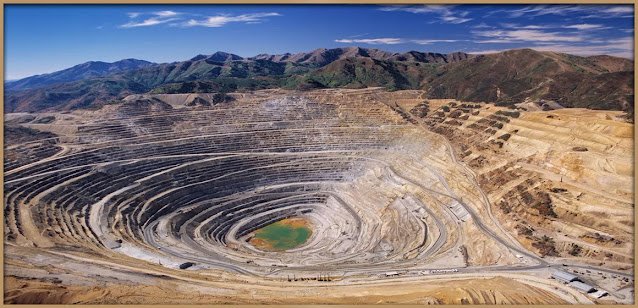
International Steels Limited (ISL) has fully exited its investment in China Energy Copper Limited (CECL), selling its stake as progress on the Reko Diq project slowed amid heightened security concerns in Balochistan.
ISL liquidated the investment at Rs72.24 per share after acquiring the position at Rs10 per share, allowing the company to book a substantial gain on the exit.
According to Optimus Management Research, ISL management linked the decision to delays surrounding the project and the prevailing security situation in the province. Rather than maintain exposure amid prolonged uncertainty, the company opted to exit its investment.
The divestment came as ISL’s core steel business delivered a significantly stronger performance during FY26.
ISL Profit More Than Doubles on Higher Volumes
ISL reported earnings per share (EPS) of Rs8.44 for FY26, compared with Rs3.58 in the previous year.
The company’s board declared a final dividend of Rs5 per share, twice the Rs2.50 dividend paid in FY25.
Net sales increased 50 per cent year-on-year to Rs93.3 billion, while profit after tax surged 136 per cent to Rs3.67 billion.
The June quarter was particularly strong, contributing Rs2.91 in earnings per share and representing the strongest quarterly performance of the year. The company also announced a Rs3 interim dividend for the quarter.
Policy Measures Support Domestic Steel Sales
ISL’s sales volumes rose 62 per cent year-on-year to 435,000 tons during FY26.
Management attributed much of the increase to policy measures affecting the domestic steel market, including a 10 per cent sales tax on steel from FATA and PATA and a 19.04 per cent anti-dumping duty on imported cold-rolled coils.
These measures helped narrow the competitive gap between domestic steel and untaxed or imported material.
Pakistan’s domestic flat-steel demand increased 25.6 per cent to 1.25 million tons during the year. Against this backdrop, ISL increased its market share by five percentage points to 28 per cent.
ISL Exports Remain Resilient Despite US Tariff
ISL exported around 90,000 tons of steel during FY26, with demand from the United States and Europe supporting overseas sales.
The company maintained access to the US market despite a 50 per cent import tariff imposed under Section 232.
According to management, the tariff also restricted the competitiveness of other foreign suppliers, reducing the number of alternatives available to US buyers. This allowed ISL to remain competitive against imported steel despite the higher tariff environment.
Solar Power Helps Improve Margins
ISL also benefited from lower energy costs during FY26 following the commissioning of its solar power project in FY25.
Solar energy accounted for 11 per cent of the company’s energy mix and helped contain power costs during the year.
As a result, gross margin improved to 11.5 per cent in FY26 from 8.6 per cent a year earlier. Operating margin also increased to 7.7 per cent from 5.3 per cent.
The company’s effective tax rate declined to 33.8 per cent from 36.3 per cent.
CECL Exit Leaves ISL With Lower Investment Exposure
The sale of ISL’s CECL stake marks a significant change in the company’s investment exposure to the Reko Diq-linked project.
The sharp difference between the Rs10 acquisition price and Rs72.24 exit price allowed ISL to realise a substantial gain. However, management’s decision to exit reflects the uncertainty created by project delays and the security situation in Balochistan.
The move also leaves ISL more focused on its core steel operations at a time when domestic demand, policy support, exports and energy savings have strengthened its financial performance.
Outlook Hinges on Policy and Security Conditions
ISL closed FY26 with stronger sales volumes, improved margins and a cleaner balance sheet following the CECL divestment.
However, the sustainability of the company’s recent performance will depend partly on how long supportive domestic policy measures remain in place and whether export markets continue to provide opportunities.
Changes in security conditions in Balochistan, developments around the Reko Diq project, future trade barriers and international steel demand could influence the company’s investment and operating environment going forward.