
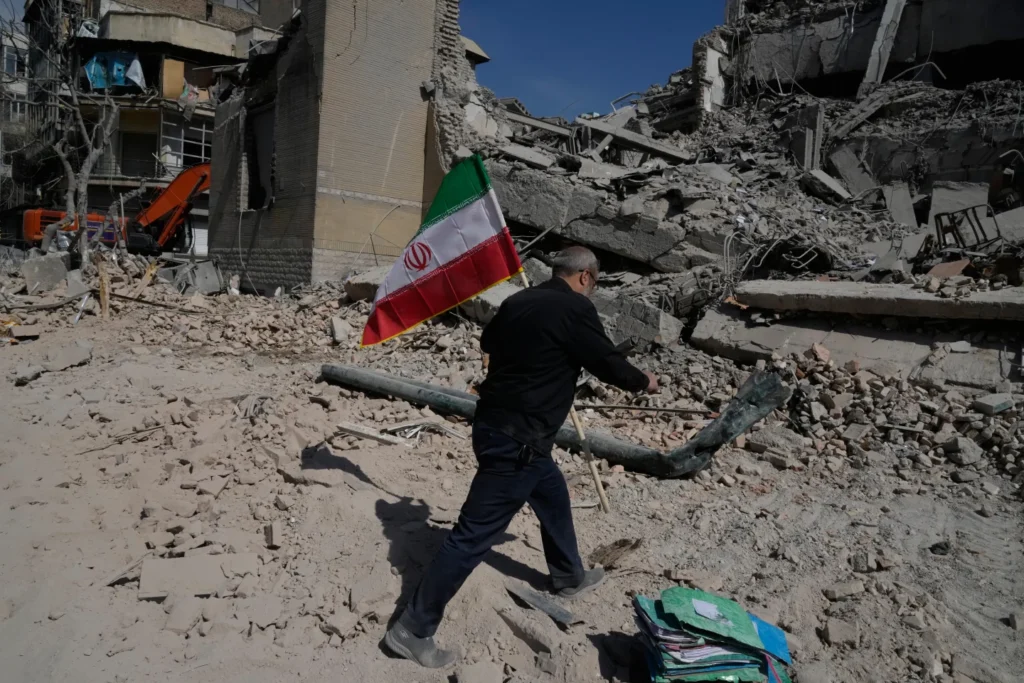
The escalating US-Israel-Iran conflict has entered its sixth day, with dramatic widening of the war theater. Iran launched a fresh wave of missiles targeting Israel, forcing millions into shelters, while Israel conducted new strikes on Tehran. Tensions surged further after a US submarine torpedoed and sank an Iranian frigate in the Indian Ocean.
Read More: https://theboardroompk.com/tesla-uk-sales-drop-37-in-february-amid-surging-chinese-ev-competition/
US Submarine Sinks Iranian Frigate IRIS Dena In a significant escalation far from the Middle East, a US submarine struck the Iranian naval vessel IRIS Dena in international waters off Sri Lanka’s southern coast on Wednesday.
The attack, described by US Defense Secretary Pete Hegseth as the first torpedo sinking of an enemy ship by a US submarine since World War II, resulted in heavy casualties.
Sri Lankan authorities recovered at least 87 bodies, rescued 32 survivors with minor injuries, and continued searching for around 60 missing sailors. The frigate had reportedly been participating in exercises and was described by Iran as a “guest” of the Indian navy.
Iran’s Strong Condemnation and Vows of Retaliation Iran’s Foreign Minister Abbas Araqchi condemned the strike as an “atrocity at sea” and warned that the US would “bitterly regret the precedent it has set.” Posted on X, his statement highlighted the unprovoked nature of the attack in international waters.
Iranian Revolutionary Guards claimed retaliatory hits, including a missile strike on a US tanker in the northern Persian Gulf, leaving it on fire. Iran also targeted Kurdish separatist positions in Iraqi Kurdistan with missiles, claiming cooperation with local Kurds to counter alleged US-Israeli backed threats.
Broader Regional Strikes and Disruptions The conflict spread beyond the Gulf, with missile and drone incidents reported in Qatar (intercepted attack on Doha with smoke in residential areas), Azerbaijan (blasts near Nakhchivan airport injuring two), and NATO intercepting an Iranian ballistic missile aimed at Turkey.
Israel continued strikes in Beirut’s southern suburbs and Tehran, while Iran fired missiles at Israeli targets. Shipping through the Strait of Hormuz remains paralyzed, with over 200 vessels anchored, causing global energy market turmoil and flight disruptions across Gulf airports.
Political and Succession Developments in Iran Amid the chaos, funerals for slain Supreme Leader Ayatollah Ali Khamenei were postponed. His son, Mojtaba Khamenei, has emerged as a leading candidate to succeed him.
In the US, Republicans in the Senate blocked a resolution to limit President Donald Trump’s war powers, with supporters arguing the campaign would end swiftly. Italy announced plans to provide air defense aid to Gulf nations to protect its citizens and troops in the region.
Global Ramifications The war, now in its sixth day, has caused hundreds of casualties across multiple countries and risks further international involvement. Iran’s threats signal potential for more asymmetric responses, while US and Israeli officials maintain the operations aim to degrade Iranian capabilities decisively.