
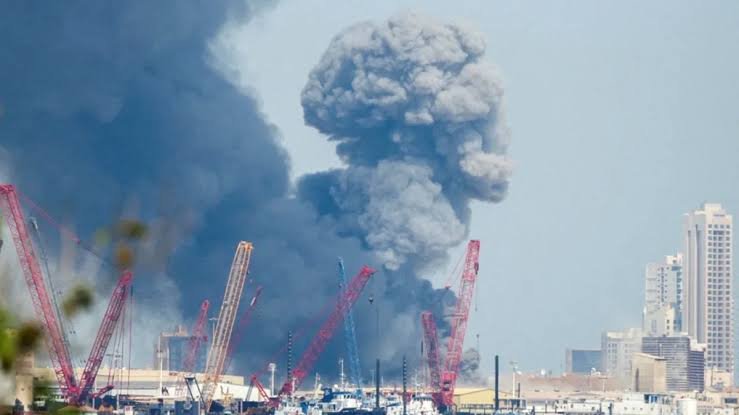
Iran Claims Missile and Drone Attacks on US-Linked Gulf Bases
Iran has escalated tensions in the Middle East by claiming to have launched attacks on US-linked military bases in Kuwait and Jordan, following a fresh wave of American strikes on Iranian targets.
The latest developments mark a significant escalation in the regional conflict, raising concerns over the security of Gulf states, global energy supplies, and international shipping routes.
Retaliatory Strikes Intensify Regional Conflict
Iran’s Islamic Revolutionary Guard Corps (IRGC) announced that it had carried out retaliatory operations targeting US military facilities.
According to reports, missile and drone attacks targeted sites including Prince Hassan Air Base in Jordan and military installations in Kuwait.
Explosions and fires were reported at fuel depots and ammunition storage facilities, while Jordanian and Kuwaiti defense systems were activated. Authorities reportedly intercepted some incoming projectiles as part of their air defense operations.
The strikes came days after a fragile truce collapsed, with the United States conducting attacks on Iranian coastal and nuclear-related facilities, including areas near Bandar Abbas.
Strait of Hormuz Shipping Faces Fresh Disruptions
The renewed conflict has increased concerns over maritime security in the Strait of Hormuz, one of the world’s most important oil transit routes.
Shipping traffic through the strategic waterway has slowed considerably as commercial vessels reassess security risks amid the ongoing military escalation.
The disruption has heightened fears of potential interruptions to global crude oil supplies and increased freight costs.
Global Energy Markets on Alert
The latest escalation has contributed to renewed volatility in international oil markets.
Oil prices have risen as investors price in the growing geopolitical risks associated with the conflict and the possibility of further disruptions to energy exports from the Gulf.
Analysts warn that prolonged instability could have significant consequences for energy-importing countries, including Pakistan, through higher fuel import costs, inflationary pressures, and increased pressure on the external account.
Regional Risks Continue to Grow
India has advised its shipowners to avoid deploying seafarers on routes passing through the Strait of Hormuz, highlighting growing concerns over the safety of commercial shipping in the region.
Iran has also warned of potential action affecting additional strategic sea lanes if the confrontation continues, raising fears of wider disruptions to international trade.
Security analysts believe the conflict has entered a more dangerous phase, with the risk of broader regional involvement increasing as tensions continue to escalate.
Uncertainty Remains High
The situation remains fluid as both Iran and the United States continue military operations and exchange threats.
With rising risks to Gulf security, international shipping, and global energy markets, governments and businesses are closely monitoring developments for signs of further escalation that could have widespread economic and geopolitical consequences.