
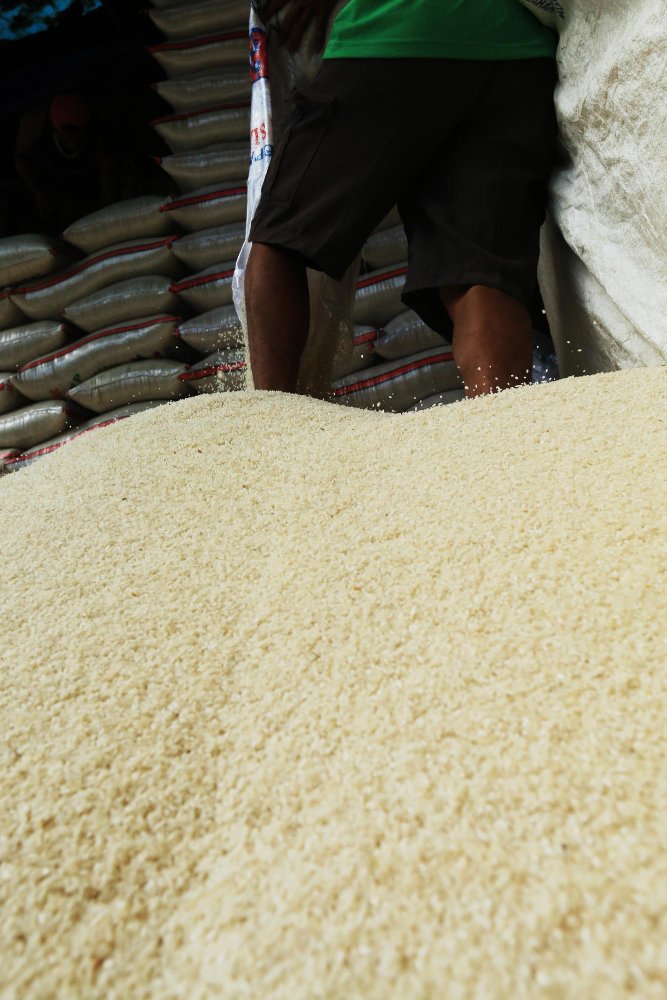
India’s rice exports experienced a significant rebound in 2025, jumping 19.4% year-on-year to 21.55 million metric tons, marking the second-highest annual figure on record and approaching the all-time high of 22.3 million tons set in 2022.
This surge followed the complete removal of export restrictions by the Indian government, which had previously imposed curbs to stabilize domestic prices.
The policy shift enhanced competitiveness in global markets, boosting shipments from the world’s largest rice exporter and contributing to a decline in Asian rice prices to near decade-lows, benefiting consumers in import-dependent regions like Africa.
Breakdown by Rice Types and Growth Drivers
Non-basmati rice exports saw the strongest growth, rising 25% to 15.15 million tons, while basmati rice shipments increased 8% to a record 6.4 million tons.
The lifting of curbs allowed for unrestricted exports of non-basmati varieties, which had faced earlier bans and minimum export price requirements. Government and industry officials attributed the robust performance to strong domestic production, favorable global demand, and improved competitiveness against rivals like Thailand, Vietnam, and Pakistan.
Global Impact and Future Outlook
The increased flow from India has curbed shipments from other major exporters and driven down benchmark prices in Asia, easing food costs for poorer nations. With India typically accounting for more rice exports than the next three largest suppliers combined, this rebound has reshaped global supply dynamics.
Officials indicated that the strong supply chain and policy support position India for continued high exports in the coming years, supported by record monsoon-sown rice output estimates.