
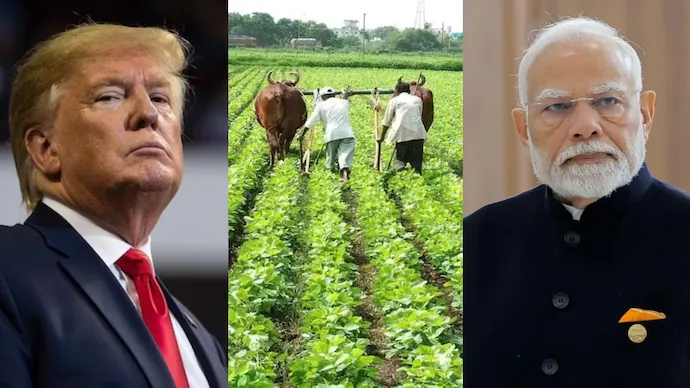
The Trump administration’s trade deal with India allows New Delhi to preserve protections in critical parts of its agriculture sector while opening markets in select areas. U.S. Trade Representative Jamieson Greer detailed the framework in a February 3, 2026, Reuters-reported CNBC appearance, following swift progress after Trump-Modi discussions.
Agricultural Concessions and Limits
India agrees to zero duties on U.S. tree nuts, fruits, vegetables, wine, and spirits, hailed by Greer as significant for U.S. exporters. Yet, “key areas” of India’s farm sector remain protected, with no new access for guarded commodities such as rice, beef, soybeans, sugar, or dairy—mirroring exclusions in India’s EU deal. Greer indicated continued U.S. pursuit of broader access.
Tariff Adjustments and Purchases
India will cut tariffs on U.S. industrial goods to zero from 13.5%, while the U.S. reduces rates on Indian imports to 18% from 50%. India commits to phasing out Russian oil imports and ramping up $500 billion in U.S. purchases over years, spanning defense, energy, aircraft, telecom, and pharmaceuticals. Immediate tariff relief applies to American cars.
Technical and Energy Elements
The pact addresses non-tariff barriers through U.S. standards recognition processes. India’s shift from Russian energy aligns with diversification goals, supported by eased U.S. sanctions on Venezuelan oil.
Path Forward
Officials are finalizing terms, targeting quick completion before negotiating a fuller agreement. The deal resolves longstanding frictions, offering mutual economic benefits while respecting India’s domestic priorities in agriculture.