
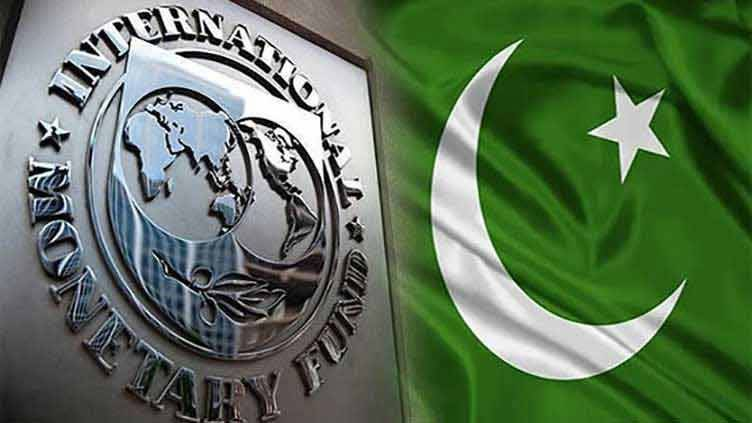
Islamabad: The International Monetary Fund (IMF) has placed Pakistan on the agenda of its Executive Board meeting scheduled for December 8, paving the way for the final approval of a crucial $1.2 billion tranche under its ongoing bailout programs. This disbursement includes $1 billion from the Extended Fund Facility (EFF) following its second review and approximately $200 million from the Resilience and Sustainability Facility (RSF) in its first review.
The move comes after a staff-level agreement (SLA) was reached last month in Washington DC between IMF officials and Pakistani authorities. The SLA, signed post the EFF’s second economic review, underscores Pakistan’s progress in fiscal reforms, revenue mobilization, and structural adjustments amid persistent inflation and external vulnerabilities.
Upon board approval – often a procedural formality after SLA clearance – the funds will elevate total disbursements under the EFF and RSF to about $3.3 billion. This infusion is vital for stabilizing Pakistan’s foreign reserves, currently hovering around $9 billion, and supporting balance-of-payments needs.
Finance Minister Muhammad Aurangzeb, speaking at the 9th Edition of The Future Summit titled ‘Course Correction: Redefining The Direction’ last month, had anticipated the approval in “early December.” He emphasized the government’s commitment to tough reforms, including energy sector tariffs and tax base expansion, to meet IMF benchmarks.
However, the impending decision has ignited debate in Islamabad. Critics, including opposition lawmakers, argue that stringent IMF conditions exacerbate public hardships, while proponents hail it as a step toward long-term macroeconomic stability. Economists project the tranche could ease pressure on the rupee and curb borrowing costs, fostering investor confidence in South Asia’s sixth-largest economy.
As the board convenes, all eyes are on whether any last-minute hurdles emerge, though optimism prevails given the SLA’s robustness. Pakistan’s successful navigation of this review could unlock further international financing, signaling resilience in its reform trajectory.