
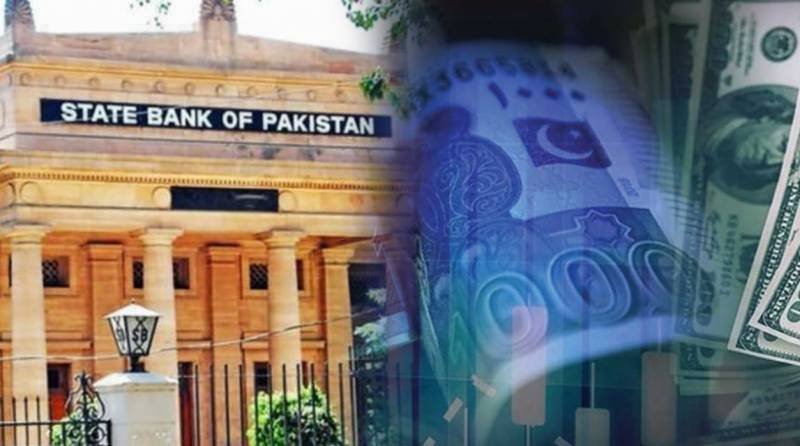
Forex Reserves Exceed $29 Billion a headline that is turning heads across financial markets, policy circles, and business communities. According to the IMF’s calculation method, Pakistan’s foreign exchange reserves have officially crossed the $29 billion mark this month, signaling a powerful shift in the country’s financial stability.
Read More: https://theboardroompk.com/pakistan-construction-stone-exports-a-new-era-in-china-trade-relations/
But why does this number matter so much? And what could it mean for businesses, investors, and everyday citizens?
Let’s break it down.
Why “Forex Reserves Exceed $29 Billion” Is Big News
When forex reserves exceed $29 billion under the IMF method, it reflects more than just a large number it represents a strengthened buffer against external shocks.
Foreign exchange reserves are the country’s safety net. They are used to:
• Stabilize the Pakistani rupee
• Pay for essential imports like oil and machinery
• Repay foreign debt obligations
• Boost investor confidence
Crossing the $29 billion threshold suggests Pakistan now has stronger financial ammunition to manage currency volatility and global economic uncertainty.
IMF Method: Why It Matters
The IMF method for calculating reserves follows international standards, ensuring transparency and credibility. This makes the milestone even more significant because it aligns Pakistan’s reporting with global financial benchmarks.
When forex reserves exceed $29 billion under IMF calculations, international lenders, credit rating agencies, and foreign investors take notice. It signals compliance, discipline, and improved macroeconomic management.
What’s Driving the Surge in Forex Reserves?
Several economic factors have contributed to this positive development:
- Improved Current Account Balance
A reduction in imports combined with stronger export performance has eased pressure on the external account.
- Multilateral & Bilateral Inflows
IMF disbursements and support from international partners have boosted official reserves.
- Stable Remittance Flows
Overseas Pakistanis continue to send steady remittances, strengthening the country’s dollar position.
- Debt Rollovers and Financial Discipline
Strategic debt management has helped ease repayment pressure.
Together, these elements have enabled Pakistan’s forex reserves to exceed $29 billion a psychologically important level for financial markets.
What This Means for the Rupee and Markets
A higher reserve cushion typically:
• Reduces speculative pressure on the rupee
• Lowers default risk perception
• Improves sovereign credit outlook
• Encourages foreign portfolio investment
For businesses, especially importers and exporters, stability in foreign exchange markets reduces uncertainty and improves planning.
If this trend continues, it could support broader economic recovery and industrial growth.
Is This a Sustainable Trend?
While forex reserves exceed $29 billion today, sustainability depends on:
• Continued fiscal discipline
• Export growth
• Controlled import management
• Structural economic reforms
Economists caution that reserves must remain strong without excessive borrowing, ensuring long-term stability rather than short-term relief.
A Confidence Boost for Pakistan’s Economy
Crossing the $29 billion mark under the IMF framework sends a clear message: Pakistan’s financial management is improving.
The milestone not only strengthens macroeconomic stability but also boosts international credibility. In a global environment marked by volatility, emerging markets with solid reserve buffers stand out.
For Pakistan, this could mark the beginning of a new financial chapter one defined by stability, credibility, and renewed investor confidence.
Final Thoughts
The fact that forex reserves exceed $29 billion is more than just a statistic it’s a signal of resilience and progress.
The coming months will determine whether this milestone becomes a foundation for sustained economic growth or simply a temporary peak. But for now, the numbers tell a promising story.
And the markets are watching closely.