
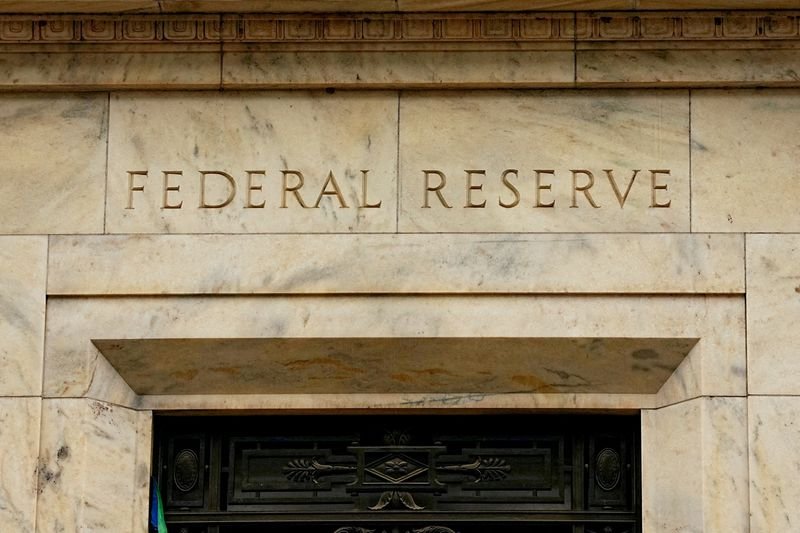
WASHINGTON/ISLAMABAD – The US Federal Reserve on Wednesday delivered a widely expected 25 basis-point rate cut, bringing the policy rate to 4.25-4.50%, but stunned markets by projecting only one additional quarter-point cut throughout 2026 – half of what investors and many Fed officials had anticipated in September.
Three policymakers – Michelle Bowman, Austan Goolsbee, and Kevin Schmid – dissented, highlighting deep divisions inside the FOMC. The updated “dot plot” showed median forecasts for the federal funds rate at just 4.00% by end-2026, implying virtually no easing next year despite a softening labour market.
Fed Chair Jerome Powell cited “somewhat elevated” inflation, stronger-than-expected growth in 2025, incoming fiscal stimulus under President Trump, and an ongoing artificial intelligence investment surge as reasons to proceed cautiously.
For Pakistan, the hawkish pivot is unwelcome news. A stronger US dollar and higher-for-longer Treasury yields will:
Increase the rupee’s depreciation pressure (State Bank reserves already under strain)
Raise debt-servicing costs on Pakistan’s $9–10 billion annual external rollover needs
Squeeze export competitiveness, especially textiles, against Bangladesh and Vietnam
Delay expected relief in workers’ remittances as Gulf employers face higher borrowing costs
Analysts have warned of foreign selling in Pakistani equities and bonds. Money markets now price in virtually zero chance of a January or March 2026 Fed cut.
Domestic policy rate already tight at 13%, the State Bank of Pakistan may find even less room to ease monetary policy next year, prolonging the high interest-rate burden on businesses and households.