
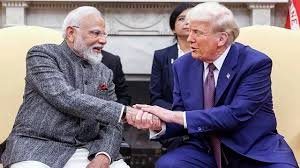
The Indian National Congress sharply criticized the newly announced US-India trade deal on February 3, 2026, likening it to a “surrender” similar to the 2025 India-Pakistan ceasefire brokered by US President Donald Trump. The opposition party accused Prime Minister Narendra Modi of capitulating to US pressure, potentially harming Indian farmers, industry, and sovereignty.
Congress Slams Deal as “Complete Surrender”
Congress leaders, including General Secretary Jairam Ramesh, highlighted that Trump announced the trade deal late on February 2, 2026 (Indian time), claiming it was “on Modi’s request.” They drew parallels to Trump’s May 10, 2025, announcement of a ceasefire in the India-Pakistan conflict (following Operation Sindoor strikes), after which relations reportedly soured for India.
The party questioned the terms: India reducing tariff and non-tariff barriers to zero for US goods, opening the agriculture sector, halting Russian oil purchases in favor of US (and possibly Venezuelan) supplies, and increasing buys of American products. Congress warned this could devastate domestic industries, traders, and farmers, contradicting “Make in India” goals.
Kerala’s Congress unit tweeted harshly: “Simply put, we will be an American Colony. US will have tariff of 18% on our goods and we will charge 0% for their goods. Resign and get lost Modi.” Ramesh added: “Modi has completely surrendered… India stands diminished.”
They demanded full details be shared with Parliament and the public, including debates on the US and EU trade pacts.
Government Defends Deal, Highlights Benefits
The Modi government welcomed the agreement, with PM Modi praising Trump’s leadership for global peace and prosperity. External Affairs Minister S Jaishankar called it a boost for jobs, growth, innovation, and trusted technology ties.
The deal cuts US tariffs on Indian exports from 50% (imposed after August 2025 negotiations collapsed over Russian oil) to 18%. It follows Trump’s re-election and Modi’s earlier White House visit.
Congress framed the deal as another instance of appeasement, echoing post-ceasefire dynamics where Trump engaged Pakistan closely. Broader concerns include sovereignty loss and economic vulnerability in a tense geopolitical landscape.