
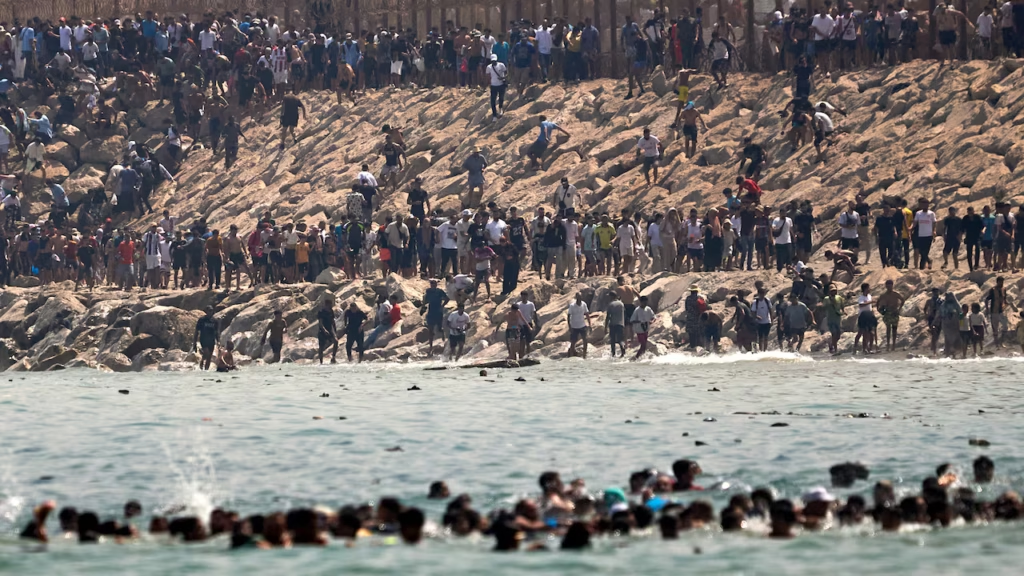
Spain and Morocco have deployed additional security forces to the border of Ceuta after a massive surge of migrants attempted to enter the Spanish enclave, triggering a humanitarian and political crisis.
Authorities initially reported that more than 49,000 migrants crossed into Ceuta within a 24-hour period. However, the figure was later withdrawn from official channels pending verification, with Spain’s Interior Ministry stating that confirmed numbers would be released after further assessment.
Ceuta Border Sees Unprecedented Migrant Surge
The wave of crossings began on Thursday and continued into Friday, with migrants approaching Ceuta by both land and sea.
Groups gathered along the Moroccan coastline and surrounding hills before attempting to reach the enclave. Some tried to swim around the border fences, while others rushed entry points in coordinated attempts to cross into Spanish territory.
Earlier reports from Spanish state television estimated arrivals at between 2,000 and 3,000 people before significantly higher figures circulated. Officials have since cautioned that the total number remains under verification.
Spain and Morocco Strengthen Border Security
In response to the surge, Spain deployed additional military personnel and police units to restore control at key sections of the border.
Moroccan security forces also intensified operations, using water cannon vehicles and pushing back groups attempting to reach the frontier.
Security personnel from both countries remained on duty throughout the night in an effort to prevent further crossings, while Spanish troops took control of several strategic locations around the enclave.
Humanitarian Concerns Mount
The crisis has taken a heavy human toll.
Authorities confirmed that at least 19 bodies were recovered from the water during the attempted crossings, highlighting the dangers faced by migrants trying to reach Ceuta by sea.
Violence also erupted in some areas, with reports of migrants setting fire to vehicles, including a bus and several cars, during clashes.
Residents of Ceuta, which has a population of approximately 85,000, voiced concern over the pressure the sudden influx could place on public services and local infrastructure.
Spanish Prime Minister Visits Ceuta
Spanish Prime Minister Pedro Sánchez travelled to Ceuta on Friday to assess the situation and meet security officials and regional authorities.
He described the events as unexpected and reaffirmed Spain’s commitment to working closely with Morocco to organise the repatriation of migrants where appropriate.
Sánchez also stressed that cooperation with countries of origin and transit remains essential to addressing irregular migration.
Political Debate Intensifies
The border crisis has sparked strong political reactions both within Spain and across Europe.
Opposition parties criticised the government’s migration policies, describing the situation as a national security challenge and calling for tougher border controls.
The developments have also reignited wider European discussions over migration management, border security, and cooperation among EU member states.
Border Crisis Highlights Ongoing Migration Challenges
The latest Ceuta migrant crisis underscores the continuing pressures facing Europe’s external borders and the complexity of managing large-scale migration flows. While Spain and Morocco have acted swiftly to reinforce security, the humanitarian impact and political fallout demonstrate that long-term solutions will require closer international cooperation, effective border management, and efforts to address the underlying drivers of migration.