Pakistan

US DFC Signals Major Investment Push in Pakistan After High-Level Talks
Pakistan

US DFC Signals Major Investment Push in Pakistan After High-Level Talks

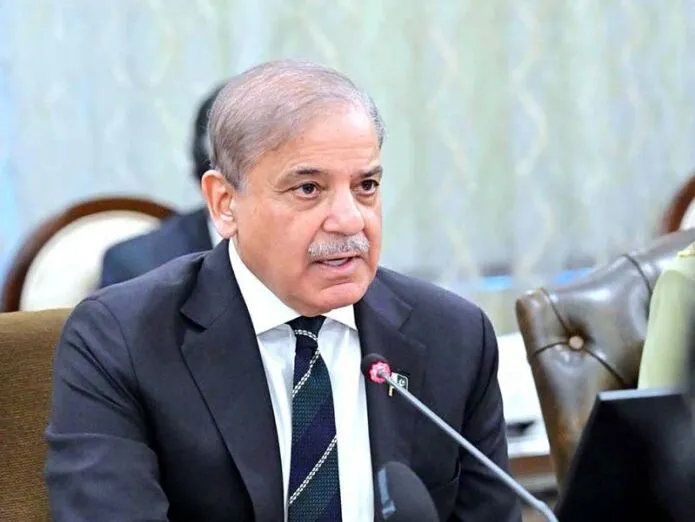
The provided link from Business Recorder reports that on February 20, 2026, US International Development Finance Corporation (DFC) CEO Benjamin Black met Prime Minister Shehbaz Sharif in Washington D.C. Black expressed strong interest in expanding DFC’s investment presence in Pakistan, building on its existing portfolio exceeding $1 billion. Read More: https://theboardroompk.com/psx-plunges-17000-points-since-its-peak-in-january-as-geopolitical-fears-trigger-9-correction/ The meeting highlights growing US-Pakistan economic ties, with focus on key sectors and future collaborations. Strengthening Bilateral Economic Ties The discussions emphasized the expanding partnership between Pakistan and the United States. PM Shehbaz Sharif praised DFC’s role in fostering joint ventures between private companies of both nations, which drive job creation and boost productivity. He highlighted Pakistan’s improving macroeconomic indicators, ongoing structural reforms, and a more investor-friendly environment as key attractions for foreign capital. DFC’s recent reauthorization positions it well to scale up support for development projects in partner countries like Pakistan. Black briefed the Prime Minister on the agency’s strategic priorities and active project pipeline, signaling readiness for greater engagement. Focus on Priority Sectors and Future Engagements The Prime Minister specifically invited DFC to increase financing in energy, mines and minerals, agriculture, and information technology (IT) sectors. These areas align with Pakistan’s economic revival goals and offer mutual benefits through business-to-business (B2B) opportunities. PM Sharif also extended invitations for DFC to join the upcoming Minerals Conference in Islamabad in April 2026. He urged Benjamin Black to visit Pakistan soon to directly explore investment prospects. The meeting underscores synergies in economic priorities, paving the way for deeper private-sector collaboration and sustainable growth.

Karachi Runway Upgrade: First Commercial Landing Marks New Aviation Era at Jinnah International Airport
Pakistan

Karachi Runway Upgrade: First Commercial Landing Marks New Aviation Era at Jinnah International Airport

The Karachi runway upgrade has officially taken flight quite literally. In a landmark moment for Pakistan’s aviation sector, the first commercial aircraft has successfully landed on the newly reconstructed Runway 07L/25R at Jinnah International Airport, signaling a bold step forward in infrastructure modernization. This milestone is more than just a routine landing it represents ambition, precision engineering, and Pakistan’s growing commitment to global aviation standards. Karachi Runway Upgrade Achieves Historic First Landing The historic touchdown was performed by Airblue Flight PA-171, arriving from Jeddah. The aircraft departed early morning and landed smoothly in Karachi, where it was welcomed with a ceremonial water cannon salute an aviation tradition reserved for momentous occasions. This symbolic arrival officially marked the operational launch of the upgraded runway, opening doors to enhanced flight operations and increased capacity. What Makes the Karachi Runway Upgrade a Game-Changer? The Karachi runway upgrade is not just a facelift it’s a transformation designed for the future of aviation. Built for the World’s Largest Aircraft The upgraded runway now meets international Code 4F standards set by the International Civil Aviation Organization, enabling it to handle wide-body giants like the Airbus A380. Enhanced Safety and Efficiency Every element of the runway has been engineered to improve performance: • Extended runway length for safer landings• Strengthened pavement for heavier aircraft• Advanced energy-efficient lighting systems• Upgraded taxiways and overruns Together, these improvements significantly enhance operational safety margins and reliability for the next 25 to 30 years. Karachi Runway Upgrade Delivered with Unmatched Precision In a country where infrastructure delays often dominate headlines, this project sets a new benchmark. Instead of delays and overruns, the Karachi runway upgrade achieved: • Completion in just 18 months• Zero schedule overruns• Zero cost escalations• Zero contractual disputes• Zero safety incidents With an investment of PKR 8,305 million, the project exemplifies disciplined execution, robust planning, and strong institutional oversight. Leadership Perspective on Karachi Runway Upgrade According to Zeeshan Saeed, Director General of the Pakistan Airports Authority: “The successful first commercial landing reflects Pakistan’s commitment to modern, safe, and efficient aviation infrastructure. Delivered on time and within budget, this project sets a new national benchmark.” His statement reinforces the strategic importance of this upgrade not just for Karachi, but for Pakistan’s global aviation footprint. Karachi’s Strategic Importance Strengthened As Pakistan’s busiest air hub, Karachi plays a critical role in regional and international connectivity. The Karachi runway upgrade enhances the city’s ability to: • Handle increased passenger and cargo traffic• Attract more international airlines• Improve turnaround times• Strengthen its position as a regional aviation gateway This development positions Karachi to compete more effectively with major aviation hubs across the Middle East and South Asia. Why the Karachi Runway Upgrade Matters for the Future The implications of this project extend far beyond aviation. Improved airport infrastructure directly contributes to: • Economic growth through increased trade and tourism• Job creation across aviation and logistics sectors• Greater investor confidence in Pakistan’s infrastructure capabilities The Karachi runway upgrade is not just a technical achievement it is a signal to the world that Pakistan is ready to elevate its infrastructure standards.

Foreign Exchange Reserves of Pakistan: Steady Growth Amid Market Fluctuations
Pakistan

Foreign Exchange Reserves of Pakistan: Steady Growth Amid Market Fluctuations

Pakistan’s foreign exchange reserves continue to signal resilience despite global economic uncertainties, according to the latest data released by the State Bank of Pakistan (SBP). For the week ending February 13, 2026, SBP-held reserves inched higher by $19.1 million, or 0.12% week-on-week (WoW), reaching a total of $16.197 billion. Understanding Pakistan’s Foreign Exchange Reserves Foreign exchange reserves are a critical indicator of a country’s financial stability, providing a buffer against external shocks and enabling smooth trade operations. Pakistan’s reserves comprise two main components: Weekly Movement in Reserves While SBP-held reserves inched upward, total foreign reserves experienced a slight contraction during the week. • SBP Reserves: Increased by $19.1 million (+0.12% WoW) to $16.197 billion.• Commercial Banks’ Reserves: Declined by $92.3 million (-1.78% WoW) to $5.105 billion.• Total Liquid Foreign Reserves: Dropped by $73.2 million (-0.34% WoW) to $21.302 billion. This minor dip in total reserves primarily reflects a reduction in commercial bank holdings, rather than a decline in central bank assets. Yearly Performance: A Strong Recovery Looking at the broader picture, Pakistan’s foreign reserves have shown remarkable growth in the current fiscal year: • Fiscal Year 2025-26: SBP-held reserves rose by $7.13 billion, a staggering 78.68% increase.• Calendar Year 2026: Reserves have already increased by $281.8 million, or 1.77%. This upward trend underscores the effectiveness of Pakistan’s foreign policy management and central bank interventions in stabilizing foreign currency inflows. What This Means for the Economy Rising SBP-held reserves enhance Pakistan’s ability to manage its external obligations, stabilize the rupee, and maintain investor confidence. While weekly fluctuations are normal due to trade settlements, debt repayments, and foreign inflows, the long-term trend points to a stronger liquidity position. Analysts suggest that sustained reserve growth could help Pakistan navigate upcoming global uncertainties, including fluctuating oil prices and potential trade disruptions. For businesses and investors, this signals an environment where external shocks can be better absorbed, supporting economic stability and planning confidence. Expert Insight: Weekly Change Explained The week-on-week changes may appear small in absolute terms, but they provide valuable insight into the dynamics of foreign currency management: • A minor increase in SBP reserves reflects steady foreign currency inflows, including remittances, aid, and trade receipts.• The decline in commercial bank reserves might result from increased corporate or import-related foreign currency demands.• Despite these short-term shifts, overall liquidity remains robust, reinforcing Pakistan’s resilience in global financial markets. In summary, Pakistan’s foreign exchange reserves are gradually strengthening, with SBP-led growth providing a solid foundation. While commercial banks experience normal week-to-week fluctuations, the total reserves remain at a healthy level, signaling stability and potential for future economic growth.

Pakistan Hockey Federation President Resignation: Funding Mismanagement Sparks Crisis
Pakistan

Pakistan Hockey Federation President Resignation: Funding Mismanagement Sparks Crisis

The sports world in Pakistan was shaken on Thursday as the Pakistan Hockey Federation resignation by President Tariq Hussain Bugti became official. Bugti cited serious mismanagement by the Pakistan Sports Board (PSB) in handling funds for international tournaments, particularly the International Hockey Federation (FIH) Pro League, as the primary reason for stepping down. At a press conference in Lahore, Bugti revealed that his resignation had already been submitted to the Prime Minister, emphasizing that the decision was a response to systemic failures rather than personal differences. Funding and Logistics: The Core Issues Behind the Resignation According to Bugti, the federation faced unprecedented challenges during tours in Argentina and Australia due to mismanaged funds. Although the PSB received the allocated budget for these tournaments, the federation claimed that financial control was mishandled, causing logistical setbacks that directly impacted the national team. For context, Bugti personally covered $3,720 to clear hotel dues in Argentina, highlighting the financial strain faced by the federation. He stressed that Pakistan hockey had finally secured an opportunity to participate in the Pro League after seven years, but administrative lapses undermined the achievement. He also criticized the internal inquiry conducted by a PSB-formed committee, calling it biased and calling for an independent investigation into the federation’s finances and operations. Prime Minister Allocates Funds, Yet Challenges Persist The financial backdrop of this crisis is particularly notable. Prime Minister Shehbaz Sharif allocated Rs250 million for hockey, funds which were released to the PSB. Despite this substantial allocation, logistical and operational hurdles during overseas tours persisted, prompting public scrutiny and political attention. Bugti argued that responsibility for financial management during international tours rested entirely with the PSB, while the federation provided schedules and logistical requirements well in advance. The failure to meet obligations abroad, he stressed, damaged Pakistan’s international reputation in hockey. Internal Team Conflicts Amplify Crisis The resignation also brought internal team issues to light. Bugti alleged that the team captain pressured players by sharing messages from influential figures, which led to a two-year ban on player Ammad Shakeel Butt. While the federation maintained that internal discipline was necessary, critics say such incidents reflect deeper structural and managerial weaknesses within the PHF. Public Row Between PHF and PSB The Pakistan Hockey Federation resignation comes amid a highly publicized dispute between the PHF and the PSB over the national team’s performance in the FIH Pro League’s second leg in Hobart, Australia. Pakistan returned home after defeats against Germany and Australia, ending the campaign winless. While the PHF insists that logistical responsibility lay with the PSB as per Senate committee directives, PSB officials argue that sufficient funds were provided, questioning the federation’s planning and execution. This public disagreement has sparked calls for transparent and independent oversight. Government Response and Next Steps In response to the crisis, Prime Minister Shehbaz Sharif ordered an immediate inquiry. Federal Minister Rana Sanaullah constituted a committee to investigate funding allocations, logistical shortcomings, and managerial practices. Both the PHF and PSB have welcomed the probe, though observers stress the need for a neutral and independent investigation to restore trust in Pakistan hockey. Bugti emphasized that resignation alone is not enough. “Pakistan’s reputation has been damaged, and accountability must be ensured,” he said, underlining the urgency of systemic reforms in sports administration.

PM Sharif Seeks Clarity on Gaza Troop Role During Washington Visit
Pakistan

PM Sharif Seeks Clarity on Gaza Troop Role During Washington Visit

Prime Minister Muhammad Shehbaz Sharif is in Washington DC to attend the inaugural meeting of US President Donald Trump’s Board of Peace, where he will seek assurances on the role of any potential Pakistani troops in Gaza’s proposed International Stabilization Force (ISF). According to sources cited by Reuters, Pakistan is willing to contribute forces but only under strict conditions that limit their role to peacekeeping, explicitly excluding any involvement in disarming Hamas. The visit, running February 18–20, 2026, coincides with the first formal session of the Board of Peace, chaired by Trump and involving delegations from at least 20 countries. Discussions are expected to cover a multi-billion-dollar Gaza reconstruction plan and details of the UN-authorized stabilization force. Pakistan’s Conditions and Concerns Three government sources told Reuters that PM Sharif aims to clarify the ISF’s objectives, operational authority, and chain of command before any commitment. A close aide to the Prime Minister stated: “We are ready to send troops. Let me make it clear that our troops could only be part of a peace mission in Gaza. We will not be part of any other role, such as disarming Hamas. It is out of the question.” Another source noted Pakistan could deploy “a couple of thousand troops” initially if terms are acceptable. Pakistan’s stance reflects sensitivity to domestic and broader Muslim-world sentiments, with analysts warning of potential public backlash if the mission does not advance Palestinian interests. Broader Context and Diplomatic Balancing Trump’s Gaza plan envisions a multinational force from Muslim nations to support reconstruction and stability post-ceasefire. Pakistan has been encouraged by the US to participate, leveraging its military expertise. The Board of Peace initiative, launched in late January 2026, aims to address global conflicts, including Gaza’s recovery following the October 2025 ceasefire phase. This engagement highlights Pakistan’s diplomatic balancing act: strengthening ties with the US while upholding support for Palestinian statehood and avoiding controversial roles in the conflict.

Ramzan Relief Package 2026 Disbursement Begins Across Pakistan
Pakistan

Ramzan Relief Package 2026 Disbursement Begins Across Pakistan

The Ramzan Relief Package 2026 has officially entered its disbursement phase, marking a critical step in Pakistan’s effort to provide timely financial relief to millions of vulnerable families during the holy month. With funds already being credited into beneficiaries’ accounts, the government aims to ensure that no deserving household is left waiting when support is needed most. This year’s initiative stands out not just for its scale, but for its speed, transparency, and digitized approach elements designed to rebuild public trust and enhance efficiency in social protection programs. Ramzan Relief Package 2026: Immediate Disbursement for Maximum Impact Under the Ramzan Relief Package 2026, authorities have prioritized immediate fund transfers, allowing beneficiaries to access financial assistance without delays. A key directive issued during a high-level review meeting ensures that all payments begin promptly, with financial institutions working at full capacity from the first day of Ramzan. The meeting, chaired by Federal Minister for Poverty Alleviation and Social Protection Syed Imran Ahmad Shah, brought together major stakeholders including State Bank of Pakistan, NADRA, and Benazir Income Support Programme. A strong emphasis was placed on operational readiness particularly ensuring that all beneficiary accounts are active and capable of receiving funds without disruption. Digital Payments Strengthen Transparency and Dignity One of the most notable features of the Ramzan Relief Package 2026 is its fully digital disbursement system. Payments are being made directly into bank accounts and mobile wallets, reducing the risks of leakage, delays, or mismanagement. This approach aligns with Pakistan’s broader financial inclusion strategy, ensuring that assistance reaches recipients securely while preserving their dignity. The involvement of institutions like the National Telecommunication Corporation and participating banks further strengthens the technological backbone of the program. Scale and Allocation of the Ramzan Relief Package 2026 The financial scope of the package reflects the government’s commitment to addressing economic challenges faced by low-income households. A total allocation of Rs38 billion has been made under the initiative unveiled by Prime Minister Shehbaz Sharif. • Rs28 billion is dedicated to 2.1 million families not covered under any existing Kafalat programme. Each eligible household will receive Rs13,000.• Rs10 billion is reserved for 10 million families already registered under the Kafalat Programme, ensuring continuity of support. Instead of presenting this as raw data, the structure reveals a dual-layer strategy: expanding coverage to previously excluded families while reinforcing support for those already within the social safety net. Real-Time Monitoring Ensures Accountability To maintain transparency, the government has established a centralized control room equipped with a real-time monitoring dashboard. Early figures indicate nearly 200,000 calls received from beneficiaries, with a significant portion resolved through automated systems and live agents. The Benazir Income Support Programme has been tasked with operating this control room 24/7 during the initial ten days of Ramzan. Additionally, coordination among departments is being streamlined through digital communication channels, ensuring rapid response to any issues. This proactive monitoring framework highlights a shift toward data-driven governance where citizen feedback directly informs operational adjustments. Ramzan Relief Package 2026 Signals Policy Evolution Beyond immediate relief, the Ramzan Relief Package 2026 reflects a broader transformation in Pakistan’s social protection ecosystem. Last year’s independent audit confirmed the program’s integrity and efficiency across all regions, including Gilgit-Baltistan and Azad Kashmir. Building on that success, the government has introduced tighter oversight mechanisms and a cabinet-level committee to supervise implementation this year. This indicates a move toward institutionalizing welfare programs rather than treating them as temporary measures. What This Means for Pakistan’s Economy and Society The rollout of the Ramzan Relief Package 2026 comes at a time when inflationary pressures continue to affect household budgets. By injecting liquidity directly into low-income segments, the initiative not only provides relief but also stimulates local economic activity during a crucial consumption period. More importantly, it reinforces the state’s role as a facilitator of inclusive growth bridging gaps between economic policy and social welfare.

Ramadan-ul-Mubara Banks Timings: Banks to Operate 9:00 AM – 2:00 PM for Public
Pakistan

Ramadan-ul-Mubarak Banks Timings: Banks to Operate 9:00 AM – 2:00 PM for Public

During the ensuing month of Ramadan-ul-Mubarak 1447 A.H., the following office hours will be observed in the State Bank of Pakistan, which will also be followed by all banks, development finance institutions and microfinance banks: Monday to Thursday from 09:00 am to 03:00 pm without break Whereas on Friday office hours will be from 09:00 am to 12:30 pm without break. Read More: https://theboardroompk.com/kse-100-index-rally-psx-surges-5702-points-in-a-powerful-comeback/ However, it is further advised to observe the following business (banking) hours for public dealing: Monday to Thursday from 09:00 am to 02:00 pm without break whereas on Fridays business (banking) hours for public dealing will be from 09:00 am to 12:30 pm without break. After the month of Ramadan-ul-Mubarak, the above timings will automatically revert to pre Ramadan timings.

Pakistan's Bumper Crops of $2B Rot as Afghan Border Remains Shut
Pakistan

Pakistan’s Bumper Crops of $2B Rot as Afghan Border Remains Shut

The prolonged closure of the Pakistan-Afghanistan border, now stretching beyond four months since October 2025, continues to devastate key export sectors. Exporters report massive losses from perishable goods unable to reach markets. Read More: https://theboardroompk.com/kse-100-index-rally-psx-surges-5702-points-in-a-powerful-comeback/ Trade Losses Mount to BillionsWaheed Ahmed, Patron-in-Chief of the All Pakistan Fruit & Vegetable Exporters Importers & Merchants Association, estimates losses nearing $2 billion for goods originally routed through Afghanistan to Central Asian Republics. Pakistan’s bumper harvests of potatoes and kinnow face spoilage amid blocked transit routes.Freight costs have skyrocketed from around $3,000 to $8,000 per shipment via alternative Iran paths, with delivery times doubling to 15-20 days. This delay proves fatal for fresh produce, leading to quality degradation and rejected consignments. Call for Decoupling Security and CommerceAhmed urges separating national security from commercial activities. He points to the China-Taiwan model, where deep economic ties persist despite political tensions. Maintaining open trade channels, he argues, protects livelihoods on both sides without undermining anti-terrorism measures. Business groups warn that prolonged disruption risks permanent market loss in Central Asia. Recent minor de-escalation steps, including Saudi-mediated releases of captured soldiers, offer hope but have yet to reopen crossings. Traders demand urgent diplomatic progress to salvage the season.

Historic OGDC SNF Water Injection Project Promises Boost to Pakistan’s Oil and Gas Sector
Pakistan

Historic OGDC SNF Water Injection Project Promises Boost to Pakistan’s Oil and Gas Sector

Pakistan’s premier oil and gas exploration and production company, Oil & Gas Development Company Limited (OGDC), has taken a bold step towards energy sustainability. On February 17, 2026, OGDC signed a historic agreement with French specialty chemical leader SNF to implement advanced water injection systems at the Kunnar and Pasakhi oil fields in Hyderabad District, Sindh. This landmark collaboration underscores OGDC’s commitment to operational excellence, increased production, and long-term value creation in the country’s energy sector. The signing ceremony, held at OGDC headquarters in Islamabad, saw the participation of Federal Minister for Energy (Petroleum Division) Ali Parvez Malik, OGDC Managing Director & CEO Ahmed Hayat Lak, France’s Ambassador to Pakistan Nicolas Galey, and senior officials from both OGDC and SNF. What the OGDC SNF Water Injection Project Entails The OGDC SNF water injection project is designed to optimize oil recovery while promoting sustainable operations. Utilizing SNF’s global expertise in advanced water injection technology, the project aims to maintain reservoir pressure and enhance production efficiency. The project is planned in three key phases: The installed facilities are expected to operate efficiently for approximately 20 years, ensuring a long-term production boost. Projected Impact: Production, Revenue, and Efficiency The OGDC SNF water injection project is poised to deliver substantial economic and operational benefits: • Oil Production Increase: ~9 million barrels• Gas Production Increase: ~3 billion cubic feet• Recovery Factor Improvement: 8–10% increase, maximizing extraction from existing reserves• Expected Additional Revenue: ~$460 million over the fields’ lifecycle By improving the recovery factor the proportion of oil extracted from total reserves this project positions OGDC to significantly strengthen Pakistan’s energy portfolio while generating substantial economic returns. Environmental Sustainability at the Core Beyond financial and operational gains, the OGDC SNF water injection project aligns with global environmental standards. Used water will be treated and reinjected into underground reservoirs, minimizing ecological risks and supporting safe water disposal practices. This approach demonstrates OGDC’s commitment to sustainable operations while embracing cutting-edge technology. Why This Collaboration Matters This historic collaboration with SNF highlights OGDC’s strategy of partnering with world-class service providers to: • Introduce advanced technologies in Pakistan’s oil and gas sector• Enhance operational efficiency and reservoir management• Ensure long-term value creation while adhering to environmental standards The OGDC SNF water injection project is not just a technical upgrade it represents a transformative approach to energy production in Pakistan, fostering innovation, sustainability, and economic growth.

Pakistan $1 Billion Syndicated Financing Wins Global Islamic Finance Honors
Pakistan

Pakistan $1 Billion Syndicated Financing Wins Global Islamic Finance Honors

Pakistan $1 Billion Syndicated Financing has captured global attention after securing two prestigious international accolades at the IFN Deals of the Year Awards 2025 a remarkable milestone that signals renewed investor confidence in the country’s economic direction. In a year marked by global financial uncertainty, Pakistan’s landmark Shariah-compliant transaction stood out for its innovation, scale, and execution. The deal was awarded both the IFN Pakistan Deal of the Year 2025 and the IFN Syndicated Finance Deal of the Year 2025, reinforcing Pakistan’s growing footprint in international Islamic capital markets. These awards, presented by Islamic Finance News, recognize transactions that demonstrate exceptional structuring, market impact, and execution excellence. Why Pakistan $1 Billion Syndicated Financing Matters The Pakistan $1 Billion Syndicated Financing is more than just a headline figure. It represents a strategic shift in how Pakistan is diversifying its funding sources and strengthening its external buffers. In practical terms, this financing: • Expanded Pakistan’s access to international Islamic liquidity.• Reduced reliance on traditional borrowing channels.• Strengthened foreign exchange reserves amid volatile global conditions.• Enhanced credibility in Shariah-compliant financial markets. Rather than viewing the deal as a standalone borrowing exercise, policymakers see it as a calculated move within a broader macroeconomic stabilization strategy. A Signal of Restored Economic Credibility Federal Minister for Finance and Revenue, Muhammad Aurangzeb, described the recognition as a powerful endorsement of Pakistan’s economic management. According to the Ministry of Finance, the award reflects: • Improved fiscal discipline.• Structured macroeconomic reforms.• Transparent policy direction.• Effective coordination with global development partners. The minister emphasized that the Pakistan $1 Billion Syndicated Financing is not just a financial achievement it is a credibility milestone that signals renewed global trust in Pakistan’s economic governance. The Role of Strategic Partnerships The success of the transaction was made possible through collaboration with key financial stakeholders, including the Asian Development Bank and participating international banks. Their involvement helped enhance the structure, mitigate risk, and attract competitive participation from Islamic financial institutions. In essence, the deal combined: • Multilateral institutional backing• Strong syndication strategy• Innovative Shariah-compliant structuring• Robust execution amid tight global liquidity conditions This combination positioned Pakistan’s financing among the most notable Islamic syndicated transactions globally in 2025. Strengthening Pakistan’s Position in Islamic Capital Markets Recognition at the IFN Deals of the Year Awards places Pakistan firmly on the global Islamic finance map. The awards ceremony, scheduled for April 2026 at prestigious venues including the Palazzo Versace Dubai and EQ Kuala Lumpur, will bring together policymakers, bankers, and investors from across the Islamic finance ecosystem. This global spotlight matters. Islamic finance is one of the fastest-growing segments of international finance, with trillions of dollars in Shariah-compliant assets worldwide. By successfully executing the Pakistan $1 Billion Syndicated Financing, the country has demonstrated its ability to compete in this sophisticated and increasingly competitive space. What This Means for Pakistan’s Economic Future The dual awards reinforce several important trends: At a time when emerging markets face tightening liquidity and elevated borrowing costs, Pakistan’s ability to structure and close a billion-dollar syndicated Islamic financing deal sends a strong message: the country is positioning itself for sustainable, innovative economic management. The Pakistan $1 Billion Syndicated Financing is not merely a transaction it is a strategic statement about Pakistan’s evolving role in global financial markets. As global Islamic finance leaders gather in Dubai and Kuala Lumpur next year, Pakistan’s achievement will stand as a case study in resilience, reform, and renewed credibility.

Scroll to Top