
Car prices in Pakistan may decline in the coming months as the federal government prepares major tax reforms in the upcoming Budget 2026–27. Officials are reviewing proposals that could reduce duties on raw materials used in locally assembled vehicles and electric cars.
Sources said the government aims to support the domestic auto industry by lowering production costs. This move could lead to more affordable vehicles for consumers if approved.
Tax Relief on CKD Kits Under Review
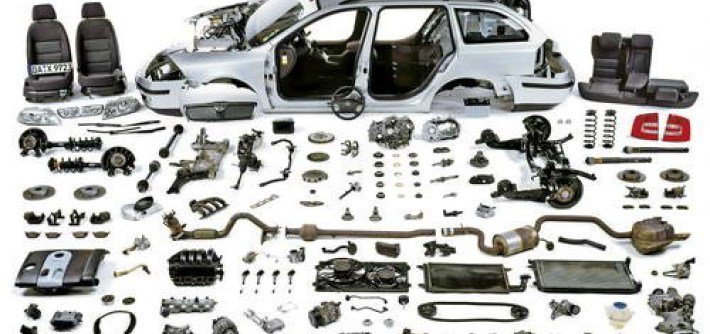
The government is considering reducing customs duties on completely knocked down CKD kits. Under the proposal, non localised parts may face a 5 percent duty, while localised components could be taxed at 10 percent.
These changes aim to encourage local assembly and reduce dependency on imported finished vehicles. Industry experts believe this step could directly impact car prices in Pakistan by lowering manufacturing costs.
Officials said the new measures will be part of the auto policy expected to take effect from July 1. The policy will also introduce incentives for local production and job creation in the automotive sector.
Push for Local Manufacturing and Jobs
The government plans to strengthen local manufacturing of auto parts. It also aims to create more employment opportunities for skilled workers in the auto industry.
By encouraging domestic production, authorities hope to reduce reliance on imports and improve trade balance. This strategy is part of a broader effort to boost industrial growth in Pakistan.
Focus on Electric and New Energy Vehicles
The upcoming policy will also expand support for electric and new energy vehicles. Officials said the framework may include battery electric, hybrid, plug in hybrid, range extended, and fuel cell vehicles.
These vehicles are expected to receive concessional tariffs under the new system. Locally assembled electric vehicles may also get priority over fully imported units.
The government is also considering limited concessions for companies assembling electric bikes, rickshaws, and cars. Each firm may be allowed duty benefits on up to 100 vehicles, with the incentive available until June 30, 2027.
Tariff Reforms Planned for Auto Sector
In line with the National Tariff Policy, the government is reviewing major tariff reductions. Plans include eliminating Additional Customs Duty and reducing Regulatory Duty on auto imports.
The average tariff on local vehicles is expected to stay below 6 percent. Authorities are also considering a gradual reduction in tariffs on fully imported petrol vehicles.
These reforms aim to make the auto sector more competitive while supporting local production. Analysts say such steps could gradually bring down car prices in Pakistan over time.
Industry Suggestions for EV Tax Structure
The Pakistan Association of Automotive Parts and Accessories Manufacturers has proposed further incentives. The group suggested a 1 percent tax on battery electric vehicles.
It also recommended around 9 percent tax on hybrid and plug in hybrid vehicles. Industry stakeholders believe these measures could accelerate adoption of cleaner vehicles while supporting local assembly.
Government Holds Consultations With Stakeholders
A consultative meeting was held a day earlier under the leadership of Special Assistant to the Prime Minister on Industries and Production Haroon Akhtar Khan.
Representatives from the Pakistan Association of Automotive Parts and Accessories Manufacturers and the Pakistan Automotive Manufacturers Association attended the session.
Participants discussed proposed duties on auto parts and the overall structure of the upcoming auto policy. Officials confirmed that final decisions will be made through consensus with industry input.
Policy Aims to Strengthen Local Industry
The government reiterated that the main goal of the policy is to strengthen domestic manufacturing and reduce import dependence. It also aims to build a more competitive and sustainable auto sector in Pakistan.
If approved, the proposed tax relief and EV incentives could significantly influence car prices in Pakistan. Industry observers say the next budget will play a key role in shaping the future of the country’s automotive market.