
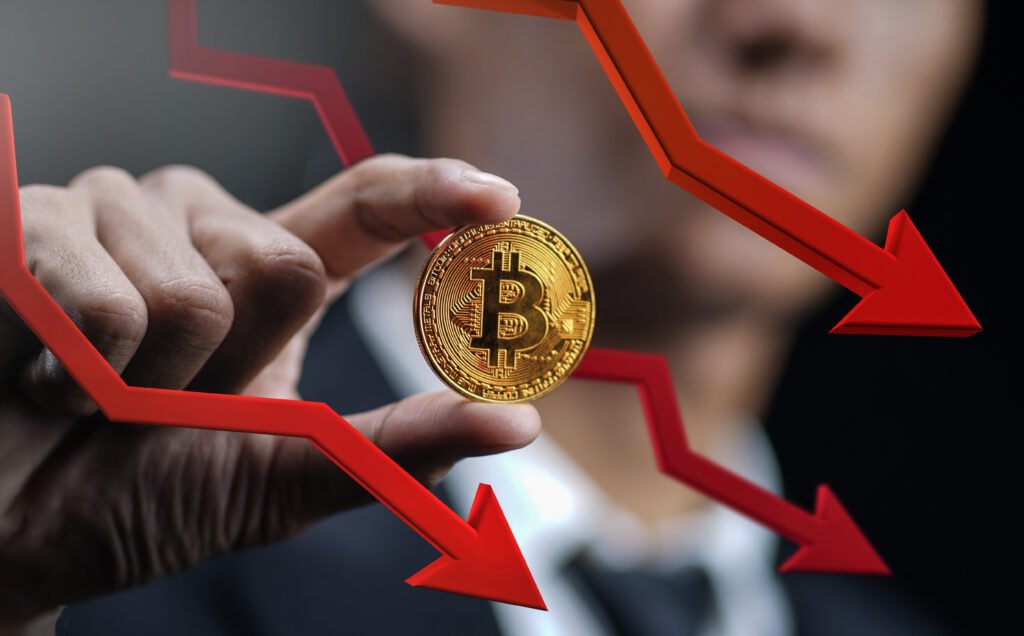
With a series of record highs and crushing sell-offs, 2025 has been a rollercoaster ride for bitcoin, the world’s largest cryptocurrency, which is at risk of ending the year with its first annual decline since 2022.
The world’s main stock benchmarks have also had a turbulent year, repeatedly hitting record peaks and then pulling back as worries over tariffs, interest rates and a possible AI bubble whipsawed markets. While equities are mostly up year-to-date, bitcoin’s overall correlation with share prices has strengthened markedly this year, driven by surging retail and institutional adoption.
Retail investors, empowered by user-friendly apps and ETFs, poured billions into bitcoin, mirroring their enthusiasm for high-growth tech stocks. Institutional heavyweights like BlackRock and Fidelity expanded crypto offerings, blending digital assets into traditional portfolios. This convergence has made bitcoin less of a “digital gold” hedge and more a high-beta play on equity rallies, analysts say. “Adoption is blurring lines between crypto and Wall Street,” noted Galaxy Digital’s Alex Thorn.
Yet, after October’s brutal crash—triggered by regulatory jitters and leveraged liquidations—bitcoin has struggled to regain footing. Trading around $58,000 as of Monday, it’s down over 15% year-to-date, flirting with a negative close for the first time in three years. The post-crash malaise persists, with low trading volumes and fading hype around blockchain upgrades.
Compounding woes, AI stock volatility—epitomized by Nvidia’s 20% swings—has rippled into crypto, amplifying bubble concerns. “If AI’s froth bursts, bitcoin could follow,” warned JPMorgan’s Nikolaos Panigirtzoglou, citing shared speculative fervor.
Market sentiment now hinges on Federal Reserve rate cut expectations. Traders price in a 75% chance of a December easing, which could buoy risk assets like bitcoin by cheapening liquidity. But persistent inflation data might dash hopes, extending the crypto winter.
As 2025 closes, bitcoin’s fate underscores a maturing yet volatile asset class, increasingly tethered to broader economic tides.