Author name: Web Desk

Nvidia Reconsiders $100B OpenAI Bet as Talks Shift to Smaller Stake
Tech

Nvidia Reconsiders $100B OpenAI Bet as Talks Shift to Smaller Stake

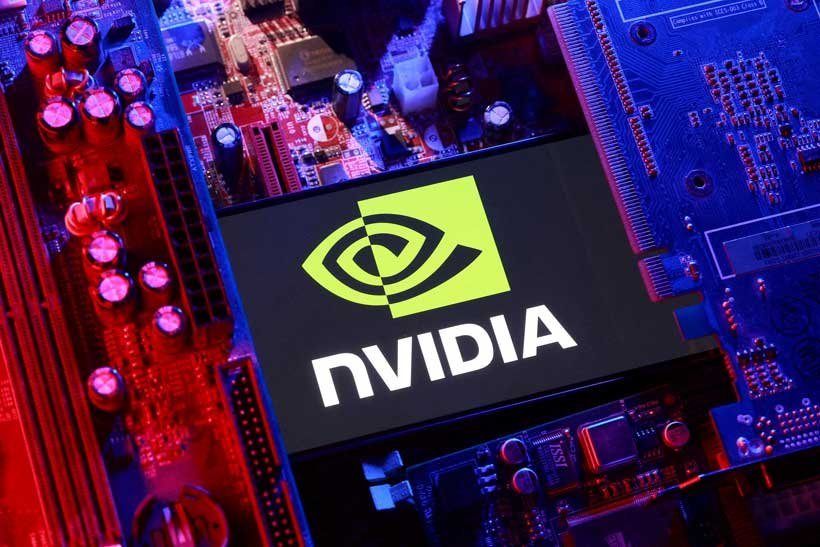
The Reuters article, citing a Wall Street Journal report from late January 2026, reveals that Nvidia’s ambitious plan to invest up to $100 billion in OpenAI has stalled. This follows a non-binding letter of intent announced in September 2025, aimed at providing OpenAI with massive funding and priority access to Nvidia’s advanced AI chips for training and running next-generation models. Read More: https://theboardroompk.com/ai-voice-command-banking-is-here-and-ubl-is-leading-the-revolution/ Stalled Mega-Deal Amid Internal Doubts Internal concerns at Nvidia have halted progress on the full $100 billion commitment. Nvidia CEO Jensen Huang has privately described the original agreement as non-binding and not finalized. He has also voiced criticisms about OpenAI’s business discipline and highlighted competitive pressures from rivals like Google (Alphabet) and Anthropic. Discussions have shifted toward a smaller equity investment—potentially in the tens of billions—as part of OpenAI’s ongoing funding round, which seeks up to $100 billion overall at a valuation around $830 billion. The partnership, long-standing with Nvidia as OpenAI’s preferred chip supplier for a decade, is now under reevaluation by both sides. Broader AI Investment Landscape The stall reflects intensifying competition in AI infrastructure. OpenAI faces heavy spending demands for data centers and chips amid rivalry from other players. Other investors, including Amazon (in talks for up to $50 billion) and SoftBank, are pursuing ties with OpenAI to gain edges in the AI race. Nvidia emphasized its continued collaboration, stating it has been OpenAI’s preferred partner for 10 years and looks forward to ongoing work. Huang later denied unhappiness with OpenAI, affirming a “huge” investment—likely Nvidia’s largest ever—would still occur in the current round, though “nothing like” $100 billion. This development underscores the high-stakes, fast-evolving nature of AI partnerships, where massive bets on dominance can face scrutiny over risks, strategy, and execution.


Toyota Recalls 161,000+ US Vehicles Over Rear-View Camera Display Fault
Auto

Toyota Recalls 161,000+ US Vehicles Over Rear-View Camera Display Fault

Toyota Motor Corp. is recalling 161,268 vehicles in the United States due to a defect affecting the rear-view camera display when the vehicle is shifted into reverse. The announcement came from the National Highway Traffic Safety Administration (NHTSA) on January 31, 2026, highlighting a safety concern that could impair visibility while backing up. Read More: https://theboardroompk.com/daraz-pakistan-brings-the-spirit-of-ramadan-to-life-with-grand-ramadan-bazaar/ Defect Details The issue involves the rear-view camera display malfunctioning specifically in reverse gear. This can prevent drivers from seeing the required backup image, violating federal safety standards mandating functional rear-view cameras in vehicles to reduce crash risks with pedestrians or objects behind the car. Affected Vehicles and Scope The recall targets specific Toyota models sold in the U.S., though exact models and production years were not detailed in initial reports beyond the total count of 161,268 units. This comes amid a series of recent Toyota recalls related to camera and display issues, including larger ones in late 2025 affecting over a million vehicles with panoramic view monitor problems. Safety Risks If the display fails to show the rear-view image or becomes unreliable while reversing, it increases the potential for accidents, particularly in parking lots or driveways where visibility is critical. Rear-view cameras have been mandatory since 2018 to enhance safety during reverse maneuvers. Toyota’s Response Toyota is addressing the problem through a voluntary safety recall. Owners of affected vehicles will receive notifications, and dealers will perform necessary repairs or software updates at no cost. This aligns with Toyota’s proactive approach to compliance with NHTSA standards. Context of Recent Recalls This recall follows closely on similar issues, such as a January 2026 action involving around 162,000 Tundra and Tundra Hybrid models for multimedia display glitches that could freeze on camera view or go black, and a larger October 2025 recall of over 1 million vehicles for backup camera freezing or non-display problems across multiple Toyota and Lexus lines.Owner Guidance Affected owners should monitor for recall letters from Toyota and can check their vehicle’s status using the NHTSA website by entering their VIN. Prompt attention to the free remedy is recommended to restore full safety compliance.

In backdrop of India-Europe Deal, Pakistan Announces Rs 4.04/unit Power Tariff Cut to Boost Exports
Pakistan

In backdrop of India-Europe Deal, Pakistan Announces Rs 4.04/unit Power Tariff Cut to Boost Exports

Prime Minister Muhammad Shehbaz Sharif has announced a major relief package for Pakistan’s industries and exporters to boost economic growth and competitiveness. Read More: https://theboardroompk.com/sindh-cm-approves-pkr-9-28-billion-for-karachi-industrial-infrastructure/ Speaking at the award ceremony for top exporters of fiscal year 2024-25 in Islamabad on January 30, 2026, the Prime Minister unveiled reductions in electricity tariffs and financing costs. Power Tariff Slash for Industries The government has reduced electricity tariffs for industries by Rs 4.04 per unit. Wheeling charges have also been lowered to less than Rs 9 per unit, enabling industries to sell excess power to nearby units more affordably. This aims to cut production costs significantly and revive industrial activity. Incentives for Exporters The export refinance scheme rate has been slashed from 7.5 percent to 4.5 percent, providing cheaper financing to exporters. Leading exporters will receive blue passports for two years to facilitate travel and business. The scheme has an allocation of Rs 1,052 billion, with Rs 900 billion already utilized. Economic Context and Goals The Prime Minister emphasized that export-led growth is essential for Pakistan’s future, moving beyond mere stabilization. He highlighted improvements like single-digit inflation, a reduced policy rate of 10.5 percent, and doubled foreign reserves. The measures seek to attract foreign direct investment in export-oriented projects and reduce reliance on external borrowing. Exporters were praised as the backbone of the economy for their resilience amid past challenges. Positive Reactions Business leaders and associations welcomed the package, noting it would ease liquidity issues, promote exports, and accelerate recovery in key sectors like textiles.

From COVID Lessons to Nipah: Ineffective Airport Measures Highlighted by Health Pros
Health

From COVID Lessons to Nipah: Ineffective Airport Measures Highlighted by Health Pros

Asian countries have ramped up airport screenings for the Nipah virus following two confirmed cases in India’s West Bengal, but experts argue these measures offer little more than public reassurance. Malaysia, Thailand, Indonesia, and Pakistan introduced temperature checks this week as precautionary steps against the deadly bat-borne infection, which has a fatality rate of up to 75%. Read More:https://theboardroompk.com/musk-regrets-govt-jobs-cutting-program-doge-role-somewhat-successful-but-wouldnt-lead-again/ However, the World Health Organization (WHO) stated on Friday that such screenings are not recommended, emphasizing the low risk of international spread from the current outbreak. Expert Views on Screening Ineffectiveness Leading specialists, including Dr. Md Zakiul Hassan from Bangladesh’s icddr,b, assert that the likelihood of a large global epidemic from this Nipah event is very low. Nipah primarily spreads through contaminated fruit or products from infected bats and does not transmit easily between humans, reducing the need for widespread airport interventions. Professor Piero Olliaro of the University of Oxford described these actions as governments “flexing muscles” to assure citizens, rather than relying on science. He highlighted how temperature screenings failed during COVID-19, missing most cases according to studies, as fevers can stem from various illnesses. Follow-up testing for rare diseases like Nipah is also resource-intensive and impractical at busy airports. Better Alternatives for Nipah Preparedness Instead of symbolic measures, experts urge focusing on regions where Nipah recurs annually, such as Bangladesh, to better understand the virus and develop vaccines or treatments. Olliaro stressed that true preparedness means investing in tools now to protect vulnerable populations and prevent future pandemics if the virus evolves. This approach would address the suffering of those affected and build global resilience. The WHO’s assessment aligns, noting no evidence of heightened international threat. As countries respond to the Indian cases, the debate underscores the balance between public perception and evidence-based health strategies.

Second Massive Gold Price Plunge in Row, Rs25,500 Drop per Tola in Pakistan
Business

Second Massive Gold Price Plunge in Row, Rs25,500 Drop per Tola in Pakistan

Pakistan’s gold market experienced a significant downturn on Saturday, January 31, 2026, with the price per tola dropping by Rs25,500 to Rs511,862, according to the All-Pakistan Gems and Jewellers Sarafa Association (APGJSA). Read More: https://theboardroompk.com/gold-investors-witness-bloodbath-as-it-falls-rs35500-per-tola-to-rs537362-in-pakistan/ This decline mirrored a sharp fall in international gold rates, which decreased by $255 to $4,895 per ounce, including a $20 premium. The 10-gram gold price also fell by Rs21,862, settling at Rs438,839.e14373 Silver prices weren’t spared, dropping by Rs2,063 to Rs9,006 per tola. This comes after Friday’s even larger drop of Rs35,500 per tola, marking one of the steepest corrections in recent history. Global Triggers Behind the Decline The international bullion market saw panic profit-taking as gold and silver retreated from record highs earlier in the week. Analysts point to a strengthening US dollar and rising bond yields as key factors. US President Donald Trump’s appointment of Kevin Warsh as the next Federal Reserve Chair sparked market reactions, reducing expectations for aggressive interest rate cuts. Investors shifted toward riskier assets, exacerbating the sell-off. In global terms, Comex gold futures fell sharply, influencing local prices in Pakistan. This volatility reflects broader economic uncertainties, including geopolitical tensions and currency fluctuations. Impact on Local Economy and Investors In Karachi and other major cities, jewelers reported slower demand as buyers held off amid the price correction. For investors, this drop presents both risks and opportunities, with some locking in gains from previous highs. Wedding season shoppers might benefit from lower rates, but long-term holders face losses if prices don’t rebound soon. Experts advise monitoring US Fed policies and dollar movements for future trends. The analysts warn of continued volatility in the coming weeks. Overall, this event underscores gold’s role as a safe-haven asset prone to sudden shifts in global sentiment.

AI Voice Command Banking Is Here, And UBL Is Leading the Revolution
Pakistan

AI Voice Command Banking Is Here, And UBL Is Leading the Revolution

AI Voice Command Banking has officially arrived in Pakistan, and United Bank Limited (UBL) is taking a bold step into the future of digital finance. In a strategic collaboration with Fortanixor Technologies, UBL has launched an advanced AI-powered voice banking solution that allows customers to perform everyday banking tasks using simple voice commands, no screens, no taps, just secure conversations with technology. Read More: https://theboardroompk.com/business-community-rejects-ogras-gas-price-hike-terms-decision-devastating-for-economy/ As digital banking adoption accelerates and customer expectations evolve, UBL’s latest innovation signals a major shift in how banks engage with users making banking faster, smarter, and more accessible than ever before. What Is AI Voice Command Banking and Why It Matters At its core, AI Voice Command Banking enables customers to interact with their bank through natural speech. Instead of navigating mobile apps or visiting branches, users can now check balances, inquire about recent transactions, and perform routine banking actions by simply speaking. This technology isn’t just about convenience, it’s about financial inclusion, accessibility, and security. Voice-enabled banking empowers elderly users, people with disabilities, and busy professionals who need instant access without friction. How UBL’s AI Voice Command Banking Works UBL’s system, powered by Fortanixor Technologies, combines artificial intelligence, natural language processing, and advanced encryption protocols to ensure accuracy and safety. Rather than relying on traditional PINs alone, the platform integrates multi-layer authentication, including voice recognition and behavioral AI analysis. This means the system not only understands what the user says, but also verifies who is speaking, adding a new dimension to fraud prevention. Instead of presenting feature comparisons in tables, here’s how the solution delivers value in practice: Customers can check account balances instantly by voice, receive transaction summaries on demand, access banking information without opening an app, and enjoy hands-free interaction while multitasking all within a secure digital environment. Why AI Voice Command Banking Is a Game-Changer for Pakistan Pakistan’s digital banking ecosystem is expanding rapidly, driven by smartphone adoption and fintech innovation. However, usability and trust remain key challenges. AI Voice Command Banking directly addresses both. For customers, it reduces complexity. For banks, it improves engagement. For the economy, it accelerates digital inclusion. UBL’s move positions the bank at the forefront of intelligent banking aligning with global trends where voice technology is becoming as essential as mobile apps. UBL and Fortanixor: A Strategic Technology Alliance The collaboration with Fortanixor Technologies highlights UBL’s commitment to partnering with innovation-driven firms that specialize in AI security and enterprise-grade digital solutions. Fortanixor’s expertise ensures that UBL’s voice banking platform meets international cybersecurity standards while remaining scalable for future upgrades, including multilingual support and personalized AI interactions. What This Means for the Future of Banking The launch of AI Voice Command Banking is not just a feature update it’s a statement. It signals a future where banking is conversational, predictive, and embedded into daily life. As AI continues to evolve, voice banking could soon handle complex requests such as fund transfers, bill payments, and financial advice all through natural dialogue. UBL’s early adoption gives it a competitive edge and sets a benchmark for the rest of Pakistan’s banking sector. Final Thoughts: A New Era of Smart Banking Begins With the introduction of AI Voice Command Banking, UBL has redefined customer interaction in financial services. By blending innovation, security, and accessibility, the bank has taken a decisive step toward the future of digital finance in Pakistan. As customers increasingly demand smarter and simpler solutions, voice-enabled banking may soon become the new standard and UBL is already ahead of the curve.

Gold Investors Witness Bloodbath as it Falls Rs35,500 per Tola to Rs537,362 in Pakistan
Pakistan

Gold Investors Witness Bloodbath as it Falls Rs35,500 per Tola to Rs537,362 in Pakistan

Gold prices in Pakistan experienced a sharp single-day decline on January 30, 2026, with the price per tola dropping by Rs35,500 to settle at Rs537,362 in the local market, according to the All-Pakistan Gems and Jewellers Sarafa Association (APGJSA). Read More: https://theboardroompk.com/business-community-rejects-ogras-gas-price-hike-terms-decision-devastating-for-economy/ This marks one of the largest single-day falls recorded, following a recent upward trend. Local Market Adjustments The price for 10 grams of 24-karat gold fell by Rs30,435 to Rs460,701. Silver prices also declined, with per tola silver dropping Rs1,106 to Rs11,069. On the previous day (January 29, 2026), gold per tola had risen to Rs572,862 after a gain of Rs21,200, highlighting the market’s volatility. International Gold Price Influence The local drop mirrored a significant retreat in global gold prices. Spot gold lost around 3.9% to $5,183.21 per ounce (as of early GMT trading), while US gold futures for February delivery fell 2.7% to $5,176.40 per ounce. International gold declined by approximately $355 to around $5,150 per ounce (with a $20 premium noted in some quotes). This was described as one of the biggest single-day global declines in recent history. Factors Driving the Decline The plunge was linked to market speculation about a more hawkish Federal Reserve chair appointment under the Trump administration, which could signal tighter monetary policy. Despite the drop, gold remained on track for its strongest monthly performance since 1980, with prices up over 20% in January and heading for a sixth consecutive monthly gain. This correction comes amid ongoing geopolitical and economic pressures but reflects profit-taking and sentiment shifts in precious metals markets. Local jewelers and investors are monitoring for stabilization, as such swings can impact buying patterns in Pakistan’s bullion sector.

KSE-100 Index Extends Bullish Run as Investors Chase Momentum
Pakistan

KSE-100 Index Extends Bullish Run as Investors Chase Momentum

The KSE-100 Index continues to rewrite Pakistan’s stock market narrative, closing Friday’s session at 184,174.48 points, up a strong 1,836 points (1.01%). The benchmark remained firmly positive throughout the day, reflecting growing investor confidence and sustained buying interest across key sectors. Read More: https://theboardroompk.com/overseas-pakistanis-economy-the-backbone-powering-pakistans-economic-future/ This rally isn’t just another green day it’s a signal. A signal that liquidity, optimism, and sector rotation are reshaping the market’s near-term direction. KSE-100 Index Intraday Performance Signals Strong Buying Appetite The trading session saw the KSE-100 Index touch an intraday high of 186,619.51 points, gaining over 4,280 points, before settling slightly lower by close. Even at its weakest level of the day, the index stayed in positive territory, highlighting solid institutional support. Market participation remained healthy, with 344 million shares traded in KSE-100 constituents alone an indicator that investors are not just watching from the sidelines. Out of 100 index companies, 71 closed higher, 28 declined, and one remained unchanged, reflecting broad-based strength rather than a narrow rally. Top Gainers and Losers in the KSE-100 Index Among the standout performers, JVDC, KTML, ILP, NML, and INDU led gains, posting returns ranging from 4% to over 8%. These moves suggest aggressive accumulation in select industrial and textile names. On the flip side, profit-taking was visible in PGLC, AICL, HCAR, BOP, and POL, though losses remained contained an encouraging sign that selling pressure is not yet dominant. Index Movers: Stocks Driving and Dragging the KSE-100 Index Heavyweights once again dictated the index’s direction. ENGROH, LUCK, UBL, MEBL, and MARI collectively added hundreds of points, underlining the importance of large-cap stocks in sustaining momentum. Conversely, FFC and MCB emerged as the biggest drags, trimming some gains. However, the overall impact of decliners was overshadowed by aggressive buying in banking, cement, and energy stocks. Sector Watch: Which Industries Lifted the KSE-100 Index? Sector-wise analysis reveals where smart money is flowing: • Commercial Banks led the charge, contributing over 470 points, driven by expectations of earnings stability and improving margins.• Cement stocks added more than 350 points, reflecting optimism around infrastructure demand and pricing power.• Oil & Gas exploration companies and investment firms also played a pivotal role, reinforcing the rally’s depth. Meanwhile, fertilizer and insurance sectors acted as mild drags, suggesting selective rotation rather than broad risk-off behavior. Broader Market Performance Mirrors KSE-100 Index Strength The bullish sentiment wasn’t limited to large caps. The All-Share Index gained 1.02%, closing at 110,725 points. While overall market volume dipped to 805 million shares, the traded value stood strong at Rs50.8 billion, indicating quality participation rather than speculative churn. Out of 484 traded companies, more than 250 closed higher, confirming that optimism is spreading across the board. Fiscal Year Snapshot: KSE-100 Index in Numbers Since the start of the fiscal year, the KSE-100 Index has surged by 58,547 points, delivering an impressive 46.6% return. Even on a calendar-year basis, the index is up over 5.8%, reinforcing Pakistan equities’ status as one of the region’s standout performers. What’s Next for the KSE-100 Index? With momentum clearly on its side, the KSE-100 Index appears poised for further upside provided macro stability and earnings expectations hold. Investors, however, should stay alert to volatility as profit-taking may emerge near psychological resistance levels. For now, the message from the market is loud and clear: the bulls remain firmly in control.

Gas Supply Suspension in Pakistan Sparks Industrial and Transport Concerns
Pakistan

Gas Supply Suspension in Pakistan Sparks Industrial and Transport Concerns

Gas supply suspension in Pakistan has once again taken center stage as the country grapples with soaring winter demand and constrained energy resources. In a move that directly impacts industries, captive power plants, and the CNG transport sector, Sui Southern Gas Company Limited (SSGC) has announced a 48-hour shutdown of gas supply, raising fresh concerns about production delays, fuel shortages, and economic ripple effects. Read More: https://theboardroompk.com/sindh-cm-approves-pkr-9-28-billion-for-karachi-industrial-infrastructure/ The suspension will remain in effect from 8:00 am on Saturday, January 31, until 8:00 am on Monday, February 2, as the utility company shifts focus toward stabilizing gas pressure for domestic and commercial consumers during peak winter usage. Why Gas Supply Suspension in Pakistan Was Announced The gas supply suspension in Pakistan is not an isolated decision but part of SSGC’s broader winter load management strategy. During colder months, residential gas consumption rises sharply due to heating and cooking needs, putting extraordinary pressure on the gas transmission network. SSGC stated that temporarily cutting off supply to industrial consumers and CNG stations is necessary to maintain system balance and pressure stability, especially in urban centers such as Karachi. In practical terms, this means: • Industries relying on gas-fired captive power plants will face operational slowdowns.• CNG stations, including those operating on RLNG, will remain closed.• Domestic users are expected to experience comparatively improved gas pressure during peak hours. Industries and CNG Sector: Who Is Most Affected? The industrial sector often bears the brunt of gas load management during winter. Manufacturing units, export-oriented factories, and SMEs that depend on uninterrupted energy supplies may face production losses and increased costs from alternative fuels. Similarly, the CNG transport sector a critical component of urban mobility will experience temporary disruptions. With CNG stations shut, commuters may shift to petrol and diesel, adding pressure on fuel prices and urban transport costs. Instead of listing impacts in a table, consider the following breakdown: • Industrial operations face halted machinery, delayed shipments, and higher energy expenses.• Transport operators encounter fuel switching costs and route inefficiencies.• Consumers may indirectly feel the impact through higher product prices and transport fares. Domestic Consumers Take Priority Amid Winter Demand One of the key reasons behind the gas supply suspension in Pakistan is to protect domestic and commercial users from low pressure and outages during critical hours. SSGC emphasized that households experiencing gas pressure issues can lodge complaints via its 24-hour helpline (1199), where operational teams remain on standby for swift resolution. However, consumers should note that routine nightly gas suspension from 10:00 pm to 5:00 am will continue as part of standard load management practices. Managing Misinformation Around Gas Supply Suspension in Pakistan SSGC also cautioned against the spread of misinformation, especially on social media. In recent months, similar announcements were misrepresented, triggering unnecessary panic among consumers. The utility urged the media to report developments accurately and responsibly. Clear communication, SSGC believes, is essential to ensure public trust while navigating energy shortages during extreme weather conditions. What This Means for Pakistan’s Energy Landscape The latest gas supply suspension in Pakistan highlights deeper structural challenges in the country’s energy sector ranging from supply constraints and seasonal demand spikes to dependence on imported fuels like RLNG. For policymakers and businesses alike, the episode underscores the urgency of: • Diversifying energy sources• Improving gas infrastructure• Accelerating renewable energy adoption Until long-term solutions materialize, short-term suspensions may remain an unavoidable reality each winter. While the 48-hour shutdown is temporary, its implications are far-reaching. From factory floors to fuel stations, the gas supply suspension in Pakistan serves as a reminder of the delicate balance between household needs and economic activity one that becomes increasingly fragile during peak winter months.

Pakistan IMF Economic Growth Strategy Signals a Turning Point for the Economy
Pakistan

Pakistan IMF Economic Growth Strategy Signals a Turning Point for the Economy

The Pakistan IMF economic growth strategy is entering a decisive new chapter. After narrowly escaping a sovereign default and enduring months of tight fiscal and monetary discipline, Pakistan is now positioning itself for something far more ambitious: sustainable, export-led economic growth. Prime Minister Shehbaz Sharif has made it clear that the era of crisis firefighting is ending. The next phase, he says, is about unlocking industrial potential, empowering exporters, and restoring investor confidence, with the International Monetary Fund (IMF) playing a central advisory role. From Stabilization to Growth: Pakistan’s IMF Reset Speaking at a high-profile gathering in Islamabad, the Prime Minister emphasized that economic stabilization has already been achieved a rare milestone after years of volatility. The challenge now lies in transforming stability into momentum. At the heart of the Pakistan IMF economic growth strategy is a recalibration of capital flows. Instead of short-term fixes, the government wants long-term investment directed toward local industry, manufacturing, and value-added exports. According to PM Sharif, the State Bank of Pakistan and the Ministry of Finance must move decisively, while also listening closely to business leaders who understand ground realities. The Diplomatic Moment That Averted Default The Prime Minister revisited a defining episode of Pakistan’s recent economic history: the 2023 near-default crisis. He recalled a crucial meeting with IMF Managing Director Kristalina Georgieva in Paris, where Pakistan’s future hung in the balance. He described how a personal assurance to fully implement IMF-mandated reforms became a turning point, restoring trust and preventing default. That commitment now underpins the broader Pakistan IMF economic growth strategy, reinforcing credibility with global lenders and investors alike. Monetary Easing Sparks Industrial Optimism One of the most powerful signals of the policy shift has been targeted monetary easing without fiscal expansion a rare balancing act. The government slashed the refinance rate by 300 basis points, bringing it down from 7.5% to 4.5%. This move dramatically reduces borrowing costs for businesses, particularly exporters. At the same time, electricity wheeling charges were cut by over Rs4 per unit, lowering energy costs for industry. In practical terms, this means: • Cheaper financing for manufacturers• Improved cash flows for exporters• Stronger competitiveness in global markets These steps are widely viewed as growth-friendly without being inflationary, aligning closely with IMF benchmarks. Export Refinance Scheme Recalibrated for Growth A major pillar of the Pakistan IMF economic growth strategy is export expansion. To support this goal, the Export Refinance Scheme (ERF) was revised, setting financing rates at Policy Rate minus 6%. This adjustment enhances liquidity for exporters and makes Pakistan’s export financing framework more regionally competitive. Combined with a 1% cut in the Cash Reserve Requirement, which injected more than Rs300 billion into the banking system, the reforms strengthen credit availability while maintaining financial sector stability. Industry leaders have praised the approach as strategic rather than populist, noting that it avoids placing additional strain on public finances. IMF Governance Reforms: The Missing Growth Multiplier Beyond monetary and industrial measures, the IMF continues to stress that governance reform is the real growth accelerator. Its Governance and Corruption Diagnostic Report outlines a 15-point reform agenda, focusing on transparency in public procurement, stronger parliamentary oversight, and closing loopholes in anti-corruption institutions. If implemented effectively, the IMF estimates that these reforms could: • Raise GDP growth to 5–6.5% over five years• Reduce inefficiencies across state institutions• Curb elite capture in economic policymaking This governance push forms the backbone of long-term confidence in the Pakistan IMF economic growth strategy. Fresh IMF Funds and the Road Ahead Pakistan’s performance under the IMF’s Extended Fund Facility (EFF) and Resilience and Sustainability Facility (RSF) remains under close review. Upon approval, fresh disbursements totaling $1.2 billion are expected. These inflows are projected to strengthen foreign exchange reserves, stabilize the rupee, and reinforce Pakistan’s transition from survival mode to strategic growth planning. A Defining Moment for Pakistan’s Economy Taken together, recent policy moves suggest that the Pakistan IMF economic growth strategy is no longer just about meeting conditions it’s about reshaping the economic model. With industrial incentives, export-focused reforms, governance improvements, and IMF backing aligned, Pakistan stands at a rare inflection point. Whether this moment translates into lasting prosperity will depend on execution but the direction, for the first time in years, is unmistakably forward.

Scroll to Top