Author name: Web Desk

KSE-100 Index Extends Rally as Banking and Tech Stocks Drive Market Momentum
Pakistan

KSE-100 Index Extends Rally as Banking and Tech Stocks Drive Market Momentum

The KSE-100 Index kicked off the trading week on a confident note, signaling renewed investor optimism amid selective buying across heavyweight sectors. The benchmark index closed Monday’s session at 185,057.83 points, registering a gain of 883.35 points or 0.48%, as volatility created opportunities for active traders and long-term investors alike. What made the session particularly intriguing was the wide intraday swing, reflecting both profit-taking and fresh accumulation at lower levels an indicator that the market remains highly responsive to sector-specific cues. KSE-100 Index Sees Sharp Intraday Volatility The KSE-100 Index traded within an impressive range of 2,819 points, touching an intraday high of 185,611.72 points before dipping to 182,792.39 points. Such sharp movement underscores growing participation from institutional and retail investors navigating short-term volatility. Market activity remained robust, with 215.8 million shares traded among KSE-100 constituents. Out of the 100 index companies, 49 closed higher, 50 declined, and one remained unchanged, highlighting a finely balanced session beneath the headline gains. Top Gainers and Losers Shape the KSE-100 Index Rather than listing tables, market action tells a clearer story when broken down narratively. Stocks that outperformed the market included Sazgar Engineering, which surged over 9%, followed by Fatima Fertilizer, Pakistan General Leasing, and Honda Atlas Cars, reflecting renewed interest in autos, fertilizers, and leasing plays. On the flip side, pressure was visible in select names such as Murree Brewery, Indus Motor, and Pakistan Stock Exchange Limited, as investors booked profits after recent rallies. Heavyweights Fuel KSE-100 Index Point Gains From an index contribution perspective, United Bank Limited (UBL) emerged as the single biggest supporter, adding nearly 248 points to the KSE-100 Index. It was closely followed by Engro Holdings, Systems Limited, Fatima Fertilizer, and Sazgar Engineering a clear signal that blue-chip and growth stocks were firmly in play. Conversely, Fauji Fertilizer Company (FFC) weighed heavily on the index, erasing over 230 points, while Lucky Cement, HBL, and Indus Motor also acted as drags. Sector-Wise Performance Highlights in the KSE-100 Index Sectors Supporting the KSE-100 Index The rally was largely powered by Commercial Banks, which added more than 343 points, reinforcing their leadership role in Pakistan’s equity market. Investment companies, oil & gas exploration firms, automobile assemblers, and the technology & communication sector also played pivotal roles. Sectors Dragging the Market Meanwhile, cement and fertilizer sectors came under pressure, alongside food & personal care products and insurance, reflecting selective rotation rather than broad-based selling. Broader Market Mirrors KSE-100 Index Strength The positive sentiment extended beyond the benchmark, with the All-Share Index closing at 111,198.99 points, up 473.53 points. Although total market volume dipped to 740 million shares, the session still recorded a traded value of Rs42.2 billion, suggesting sustained liquidity despite reduced turnover. Trading activity remained widespread, with 487 companies participating 214 advancing, 222 declining, and 51 closing flat. KSE-100 Index Performance: A Bigger Picture Zooming out, the KSE-100 Index has delivered a remarkable performance this fiscal year, gaining over 59,400 points, translating into a 47% surge. Even on a calendar-year basis, the index is up more than 6%, reinforcing Pakistan’s equity market as one of the stronger performers among frontier markets. What’s Next for the KSE-100 Index? With banking, technology, and energy stocks continuing to anchor the market, analysts believe the KSE-100 Index could remain range-bound in the near term, punctuated by stock-specific opportunities. As earnings season approaches and macro signals evolve, volatility may persist but so will opportunity. For investors watching from the sidelines, the message is clear: the KSE-100 Index is no longer moving quietly it’s demanding attention.


Pakistan Philippines Migrant Worker Cooperation Takes Center Stage at Abu Dhabi Dialogue 2026
World

Pakistan Philippines Migrant Worker Cooperation Takes Center Stage at Abu Dhabi Dialogue 2026

Pakistan Philippines migrant worker cooperation has emerged as a strategic priority as both countries move to strengthen protections, skills development, and reintegration systems for millions of overseas workers. The latest engagement, held on the sidelines of the Abu Dhabi Dialogue 2026, signals a shift from symbolic diplomacy to practical collaboration aimed at long-term migrant welfare. As global labor mobility reshapes economies, countries that export skilled and semi-skilled labor are now under pressure to offer stronger social protection frameworks. Pakistan and the Philippines both major labor-sending nations are responding by learning from each other’s institutional models and best practices. High-Level Talks on Migrant Welfare Frameworks The discussions were led by H.E. Chaudhry Salik Hussain, Pakistan’s Federal Minister for Overseas Pakistanis and Human Resource Development, and H.E. Atty. Hans Leo J. Cacdac, Secretary of the Philippine Department of Migrant Workers. Rather than limiting talks to policy statements, both sides exchanged detailed operational insights into how their migrant welfare systems function covering everything from pension coverage to skills certification and worker reintegration. This level of technical engagement highlights how Pakistan Philippines migrant worker cooperation is evolving into a model of South-South collaboration. Pakistan’s Social Security Model Under the Spotlight A key part of the dialogue focused on Pakistan’s social protection architecture for overseas workers. The Chairman of the Employees’ Old-Age Benefits Institution (EOBI) briefed the Philippine delegation on: • Benefit structures available to registered workers• Eligibility and contribution mechanisms• Pension disbursement systems• Financial sustainability of the EOBI model Rather than presenting data in isolation, officials explained how these elements connect to ensure long-term income security for returning workers, an area of growing concern as migrant populations age. Philippines Shares Its Pre-Departure Training Advantage The Philippine delegation offered insights into its globally recognized pre-departure training and social security systems, which focus on preparing workers before they leave their home country. In practical terms, the Philippine framework emphasizes: • Mandatory skills and compliance training• Awareness of host-country labor laws• Integrated pension and insurance coverage• Structured reintegration support upon return This approach has positioned the Philippines as a benchmark in migrant workforce management something Pakistan is keen to study more closely under the expanding Pakistan Philippines migrant worker cooperation framework. Skills Development and Reintegration Take Priority Minister Chaudhry Salik Hussain highlighted the role of Pakistan’s National Vocational and Technical Training Commission (NAVTTC) in aligning workforce skills with international market demand. He also introduced other institutions operating under the Ministry, including: • Overseas Pakistanis Foundation (OPF), which supports welfare and community services• Bureau of Emigration and Overseas Employment (BEOE), which regulates overseas employment processes The Philippine side expressed strong interest in understanding the legal and regulatory frameworks governing these institutions particularly how registration, training, and post-employment reintegration are managed. Why This Cooperation Matters Now What makes this engagement significant is its timing. As labor-importing countries tighten regulations and demand higher skill standards, labor-exporting nations must adapt fast. In explanatory terms, the cooperation framework can be understood through three connected pillars: • Protection: Social security, pensions, and worker rights• Preparation: Skills training and pre-departure orientation• Return: Reintegration into domestic economies By aligning these pillars, Pakistan Philippines migrant worker cooperation could reduce exploitation risks while increasing economic returns from overseas employment. The Road Ahead for Bilateral Engagement Both delegations agreed to maintain close coordination and continue sharing data, policy frameworks, and operational models. Senior diplomatic officials from both countries’ missions in the UAE were also present, underscoring institutional commitment at multiple levels. As global labor markets evolve, this partnership could serve as a blueprint for other labor-sending countries seeking sustainable migration models.

International Oil Prices Crash Shocks Global Energy Markets
World

International Oil Prices Crash Shocks Global Energy Markets

International oil prices crash headlines are dominating global financial news after crude markets witnessed their sharpest correction in more than six months. What began as a steady January rally has abruptly reversed, wiping out weeks of risk-driven gains and forcing investors, policymakers, and energy-dependent economies to reassess their outlook. The sudden plunge has sent a clear message: oil markets are no longer pricing in fear, they are pricing in fundamentals. A Sudden Slide: Where Prices Stand Now The speed of the sell-off has caught many traders off guard. Brent crude, the global benchmark, slipped to around $65.80 per barrel, marking a decline of just over 5 percent in a single session. Meanwhile, U.S. West Texas Intermediate (WTI) crude fell even further, trading near $61.70 per barrel, down more than 5.3 percent. In simple terms, this means crude prices have erased most of the geopolitical premium that pushed them above $70 earlier this year. The market has shifted from anxiety to assessment almost overnight. Why Did the International Oil Prices Crash So Fast? A Perfect Storm of De-Risking The international oil prices crash wasn’t triggered by a single event. Instead, it unfolded as several powerful developments converged at once removing uncertainty, calming supply fears, and strengthening the U.S. dollar. U.S.–Iran De-Escalation Changes the Narrative One of the biggest drivers behind January’s rally was the fear of escalation between Washington and Tehran. Over the weekend, however, U.S. President Donald Trump stated that Iran was “seriously talking” with his administration. This shift toward diplomacy dramatically reduced the perceived risk of military strikes on Iranian energy infrastructure, a scenario that had investors pricing in supply disruptions. With the threat dialed down, oil markets responded instantly. Strait of Hormuz Fears Begin to Fade Further easing market nerves were reports suggesting that Iran’s Revolutionary Guards have no immediate plans for live-fire exercises in the Strait of Hormuz. This narrow waterway carries nearly 20 percent of the world’s oil supply, and even the hint of disruption can send prices soaring. The absence of immediate military activity reassured traders that global oil flows remain secure, and that reassurance came at the cost of higher prices. Stronger Dollar Adds Downward Pressure Another critical factor behind the international oil prices crash is currency dynamics. Following the nomination of Kevin Warsh as the next U.S. Federal Reserve Chair, the U.S. dollar strengthened sharply. Because oil is priced in dollars, a stronger greenback makes crude more expensive for buyers using other currencies. As demand softens under these conditions, prices naturally adjust downward. OPEC+ Signals Supply Stability Adding to the bearish momentum, OPEC+ confirmed it would keep production levels unchanged for March. The decision sent a clear signal: despite recent volatility, the group sees no urgent need to tighten supply. For traders hoping for a production cut to support prices, this was a disappointment. For the market, it reinforced the idea that global oil supply remains ample. From January Highs to February Reality Just weeks ago, Brent crude touched six-month highs above $70 per barrel, fueled by winter storms in the United States and peak tensions in the Middle East. Today’s pullback is being widely described by analysts as a market correction, not a collapse. With war risks fading and supply chains intact, oil prices are snapping back toward levels justified by demand, inventory data, and macroeconomic conditions. What the International Oil Prices Crash Means Going Forward The current correction could offer temporary relief for inflation-pressured economies and oil-importing countries, while posing fresh challenges for exporters reliant on higher prices. More importantly, it highlights how fragile sentiment-driven rallies can be in modern energy markets. As geopolitical noise fades, fundamentals tend to reassert control and prices follow. Whether this correction deepens or stabilizes will depend on upcoming demand data, central bank signals, and any unexpected geopolitical surprises still lurking beneath the surface.

Uzbekistan Transport Ministry Karachi Port Trust Visit: A Strategic Move That Could Redefine Regional Trade
Pakistan

Uzbekistan Transport Ministry Karachi Port Trust Visit: A Strategic Move That Could Redefine Regional Trade

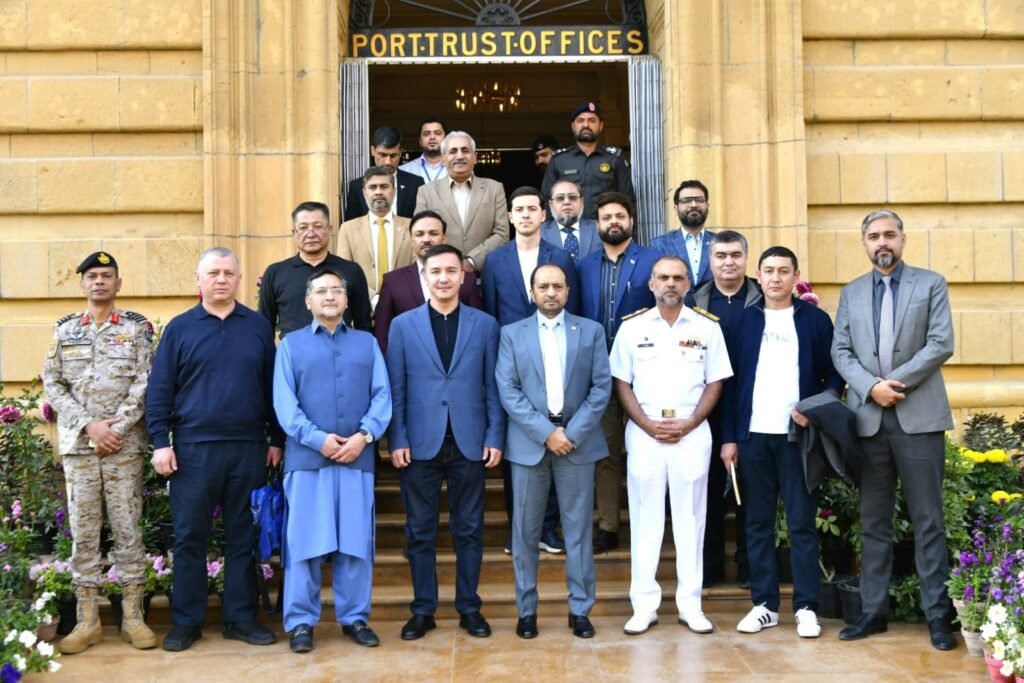
The Uzbekistan Transport Ministry Karachi Port Trust visit may appear ceremonial at first glance, but beneath the protocol lies a strategic signal one that could reshape trade corridors connecting Central Asia to global markets through Pakistan. As regional economies search for faster, cost-efficient logistics routes, Karachi Port is steadily emerging as a gateway of choice. A high-level delegation from the Ministry of Transport of the Republic of Uzbekistan, led by H.E. Omarov Mamanbiy Allabergenovich, First Deputy Minister of Transport, arrived at Karachi Port Trust (KPT). The delegation was received by Rear Admiral Shahid Ahmed, SI(M), S.Bt (Retd), Chairman KPT, along with senior port officials setting the stage for discussions that went far beyond routine diplomacy. Why the Uzbekistan Transport Ministry Karachi Port Trust Engagement Matters This visit comes at a time when landlocked Central Asian states, including Uzbekistan, are actively exploring southern maritime routes to reduce dependence on longer, costlier logistics chains. Pakistan, with its deep-sea ports and improving inland connectivity, presents a compelling alternative. Chairman KPT highlighted the historical, cultural, and intellectual ties between Pakistan and Uzbekistan, underscoring how trade cooperation can build upon centuries-old connections. The message was clear: economic geography is evolving, and Karachi is positioning itself as Central Asia’s maritime bridge. Inside Karachi Port Trust’s Expansion Vision During the briefing, the Uzbek delegation was presented with a comprehensive overview of KPT’s ongoing and future-ready infrastructure projects, each designed to enhance capacity, efficiency, and multimodal connectivity. Instead of tables, these initiatives can be understood as three strategic development pillars: Karachi Port Trust is advancing major waterfront projects, including: • The East–West Connectivity Bridge, aimed at reducing congestion and improving cargo flow.• A dedicated Ferry Terminal, enhancing maritime passenger and logistics services.• The Maritime Business District at TPX, envisioned as a commercial hub integrating port operations with business and services.• South Wharf expansion, designed to accommodate larger vessels and increased cargo volumes. Together, these developments signal KPT’s ambition to compete with leading regional ports. For Uzbekistan, port access is only as good as inland connectivity. KPT emphasized projects that link sea to land seamlessly, including: • The Lyari Elevated Freight Corridor, enabling faster cargo movement from port to highways.• Karachi Northern Bypass and Malir Expressway, reducing urban bottlenecks.• Rail freight expansion under ML-1, a backbone project for long-haul cargo movement across Pakistan. These corridors directly support Central Asian transit trade, shortening delivery times and lowering logistics costs. The Uzbekistan Transport Ministry Karachi Port Trust dialogue focused on regional integration, positioning Karachi as a logistics hub for Uzbek exports and imports, spanning textiles, agriculture, minerals, and manufactured goods. A Gateway to Central Asia’s Future For Uzbekistan, access to warm-water ports has long been a strategic priority. Karachi Port offers: • Shorter routes to Middle Eastern, African, and European markets• Reliable maritime infrastructure• Expanding rail and road links into Central Asia via Pakistan For Pakistan, this partnership enhances its role as a regional transit economy, unlocking new revenue streams and strengthening geopolitical relevance. Beyond Symbolism: What This Visit Really Signals The exchange of souvenirs and group photographs marked the conclusion of the visit, but the implications extend far beyond protocol. The Uzbekistan Transport Ministry Karachi Port Trust engagement reflects: • Growing confidence in Pakistan’s port infrastructure• Rising Central Asian interest in southern trade corridors• Karachi Port’s transformation into a regional logistics powerhouse As global supply chains diversify, such engagements hint at new trade routes quietly taking shape routes where Karachi stands at the center. Conclusion: Karachi Port at the Crossroads of Opportunity The Uzbekistan delegation’s visit is more than a diplomatic courtesy; it is a strategic alignment of interests. With modern infrastructure, expanding connectivity, and regional ambition, Karachi Port Trust is positioning itself as the maritime heartbeat linking Central Asia to the world. If momentum continues, this visit may be remembered as a turning point in Pakistan–Uzbekistan trade relations one that opens new corridors of commerce, cooperation, and connectivity.

Gold Price in Pakistan Slides Sharply: What Triggered the Sudden Rs21,500 Drop?
Pakistan

Gold Price in Pakistan Slides Sharply: What Triggered the Sudden Rs21,500 Drop?

The gold price in Pakistan stunned investors and consumers alike on Monday after registering one of the sharpest single-day declines in recent months. The sudden pullback has reignited debate across bullion markets, jewelry circles, and investor forums, is this a temporary correction or the start of a broader trend reversal? Read More: https://theboardroompk.com/gold-investors-witness-bloodbath-as-it-falls-rs35500-per-tola-to-rs537362-in-pakistan/ According to data released by the All-Pakistan Gems and Jewelers Sarafa Association (APGJSA), 24-karat gold per tola fell by a massive Rs21,500, bringing the new price down to Rs490,362 per tola. The decline follows weeks of volatility driven by global economic signals and shifting investor sentiment. Gold Price in Pakistan Across Different Weights The decline was not limited to a single category. On a per-gram basis, the gold price in Pakistan also reflected heavy losses. In the domestic market: • 24-karat gold per 10 grams dropped by Rs18,433, settling at Rs420,406• 22-karat gold per 10 grams declined to Rs385,386, making it relatively more attractive for jewelry buyers This synchronized fall across weights highlights how closely Pakistan’s bullion market mirrors global price movements especially during periods of heightened volatility. Silver Prices Follow Gold’s Lead Silver also failed to escape the downward momentum. The 24-karat silver price in Pakistan fell sharply: • Per tola: Rs8,405, down Rs601• Per 10 grams: Rs7,205, down Rs516 While silver often behaves independently, its decline alongside gold suggests broader pressure on precious metals rather than metal-specific weakness. Gold Price in Pakistan: A Snapshot of Market Performance Looking at short- and long-term trends helps put the latest fall into perspective. Over a day-on-day basis, gold shed Rs21,500 per tola. Over the past month, prices are still higher by Rs34,800, indicating that the broader trend remains upward despite the correction. From the start of the fiscal year, gold has surged by over Rs140,000 per tola, underlining why many still view it as a long-term hedge. On a calendar-year-to-date basis, prices remain up by Rs33,400. Silver shows a similar pattern short-term weakness but solid gains over longer horizons. What’s Driving the Fall in Gold Price in Pakistan? The primary driver lies beyond domestic borders. Globally, spot gold slipped to around $4,590 per ounce, falling $149 or 3.14% in a single session. The decline came as: • Investors rushed to lock in profits after gold’s recent rally• The U.S. dollar strengthened, making gold more expensive for holders of other currencies• Market expectations shifted around interest rates and global liquidity Since Pakistan’s bullion prices are directly linked to international gold rates and currency movements, the global sell-off quickly transmitted to local markets. What This Means for Investors and Buyers For short-term traders, the dip introduces volatility and caution. For long-term investors, however, the correction may present a strategic entry point especially given gold’s strong fiscal-year performance. For jewelry buyers, falling prices could temporarily revive demand, particularly ahead of wedding season, when gold purchases traditionally rise across Pakistan. Final Thoughts: Correction or Calm Before the Storm? The latest drop in the gold price in Pakistan is sharp but not entirely unexpected after months of upward momentum. While global cues will continue to dictate direction, gold’s long-term appeal as an inflation hedge and safe-haven asset remains intact. As markets digest global signals, one thing is certain: gold is back at the center of economic conversation, and every move now carries implications for investors, consumers, and policymakers alike.

FIA Karachi Biggest Recovery: How a Rs47 Billion Petroleum Scandal Shook Pakistan’s Economy
Pakistan

FIA Karachi Biggest Recovery: How a Rs47 Billion Petroleum Scandal Shook Pakistan’s Economy

The FIA Karachi biggest recovery has emerged as a landmark moment in Pakistan’s corporate accountability landscape, sending a powerful message across financial and energy sectors. In what officials are calling the largest recovery in the history of FIA Karachi, a petroleum company accused of causing a staggering Rs47 billion loss to the national exchequer has begun repaying the amount ending years of investigation, controversy, and public concern. Read More: https://theboardroompk.com/dr-kabir-ahmed-sidhu-secp-chairman-appointment-signals-strong-regulatory-push/ At a time when Pakistan’s economy remains under intense fiscal pressure, this recovery is being viewed not merely as a legal success, but as a symbol of renewed enforcement and governance. How the Rs47 Billion Petroleum Levy Case Unfolded According to official findings, the petroleum company allegedly collected petroleum levy from consumers between 2019 and 2022, but failed to deposit the funds into the government treasury. This lapse, classified as corporate financial fraud, accumulated losses amounting to Rs47 billion one of the largest sums ever linked to a single corporate inquiry in Pakistan. The investigation, registered as Inquiry No. 3/23, was conducted by FIA Karachi’s Corporate Crime Circle and led by Deputy Director Ayaz Mehr, who later submitted a detailed report to the Public Accounts Committee (PAC). Instead of listing figures in a table, the recovery structure can be explained clearly: • The company has already paid Rs1 billion in cash as the first instalment.• Post-dated cheques worth Rs46.4 billion have been submitted to ensure full repayment.• An unconditional and irrevocable bank guarantee has also been provided to safeguard government interests. This payment framework reflects one of the most comprehensive recovery mechanisms ever negotiated by FIA Karachi. Who Filed the Complaint and Who Was Named? The case was initiated following a formal complaint by Ashfaq Ahmed, Deputy Director at the Ministry of Energy and Petroleum. The investigation named 13 accused individuals, including: • The petroleum company’s owners• Members of its Board of Directors• Two women directors• High-profile corporate figures, including former KESC Managing Director Tabish Gauhar The inclusion of senior executives elevated the case from a routine inquiry to a high-stakes corporate accountability test. Why the FIA Karachi Biggest Recovery Matters for Pakistan’s Economy Beyond the headline numbers, the FIA Karachi biggest recovery carries deep implications for Pakistan’s fiscal discipline. Petroleum levy is a critical revenue stream for the federal government, directly impacting development spending, energy subsidies, and debt management. Recovering Rs47 billion helps: • Reduce pressure on public finances• Reinforce confidence in regulatory institutions• Signal stricter enforcement for large corporations• Restore public trust in financial oversight mechanisms Business analysts believe this case could become a precedent-setting model for handling future large-scale corporate fraud. A Two-Year Investigation That Changed the Narrative The inquiry passed through multiple investigating officers over nearly two years, highlighting systemic delays often associated with high-profile financial cases. However, the final outcome full recovery rather than prolonged litigation marks a rare and decisive conclusion. Confirming the development, FIA Karachi Corporate Crime Circle Head Ayaz Mehr stated that the investigation report has been formally submitted to the Public Accounts Committee, ensuring parliamentary oversight and transparency. What Comes Next After the FIA Karachi Biggest Recovery? While the recovery process has begun, experts note that this case may trigger wider audits within the petroleum and energy sectors. Regulatory authorities are now expected to tighten compliance checks to prevent similar lapses in levy collection and deposit. For businesses, the message is clear: financial non-compliance at scale will no longer go unnoticed.

Wafi Energy Pakistan Investment: A $100 Million Vote of Confidence in Pakistan’s Energy Sector
World

Wafi Energy Pakistan Investment: A $100 Million Vote of Confidence in Pakistan’s Energy Sector

At a time when global investors are closely watching emerging markets, Wafi Energy Pakistan investment plans are sending a powerful signal of confidence in Pakistan’s economic and energy outlook. The company is considering an investment of up to $100 million over the next two to three years, aimed at expanding its retail footprint and strengthening fuel storage capacity across the country. Read More:https://theboardroompk.com/wafi-energy-to-supply-oem-approved-shell-lubricants-for-hyundai-vehicles-nationwide/ This move is more than just a corporate expansion—it reflects renewed optimism driven by improving macroeconomic indicators, greater policy predictability, and rising foreign exchange availability. Why the Wafi Energy Pakistan Investment Matters Now The timing of the Wafi Energy Pakistan investment is no coincidence. Pakistan’s economy has recently shown signs of stabilization, with improved external buffers and enhanced investor sentiment creating a more predictable business environment. According to the company, better operating conditions and increased regulatory clarity have enabled long-term planning something global energy players value highly. This investment is designed to enhance supply resilience, raise service standards, and support sustainable growth within Pakistan’s evolving energy ecosystem. Strengthening Retail Networks and Storage Capacity At the heart of the Wafi Energy Pakistan investment strategy lies a dual focus: expanding its nationwide retail network and upgrading storage infrastructure. These initiatives are expected to improve fuel availability, operational efficiency, and customer experience across urban and semi-urban markets. In practical terms, this means modernized fuel stations, improved logistics, and a more robust supply chain critical elements for an energy sector that underpins industrial activity, transportation, and everyday commerce. Digitization and Modernization: A Core Pillar Another key driver behind the Wafi Energy Pakistan investment is digitization. The company has emphasized ongoing modernization initiatives aimed at boosting transparency, operational efficiency, and regulatory compliance. By integrating digital systems into retail and backend operations, Wafi Energy is aligning itself with global best practices an approach increasingly favored by regulators and investors alike. High-Level Engagement with the Federal Government The proposed investment was discussed during a meeting with Federal Finance Minister Senator Muhammad Aurangzeb, highlighting the strategic importance of Wafi Energy’s expansion plans. The finance minister underscored that macroeconomic stability, strong foreign exchange reserves, and predictable policies are essential to sustaining investor confidence particularly when it comes to cross-border transactions such as dividend repatriation. He also stressed that strong local investor participation often acts as a catalyst for attracting foreign capital. Policy Stability and Public-Private Partnerships Discussions also focused on the need for a stable, transparent, and predictable policy framework, especially around fiscal and taxation matters. Senator Aurangzeb reiterated the government’s commitment to privatization, outsourcing, and transparent competitive processes key elements that support long-term investment decisions. He further highlighted the role of public-private partnerships and structured finance in delivering large-scale infrastructure projects, pointing to successful models already implemented at the provincial level. Saudi Arabia and Regional Investment Momentum The Wafi Energy Pakistan investment also ties into broader strategic engagements between Pakistan and international partners, including Saudi Arabia. High-level dialogues are increasingly serving as platforms to deepen economic cooperation and unlock new investment opportunities across sectors. These engagements reinforce Pakistan’s position as a regional market with growing potential particularly in energy, infrastructure, and logistics. What This Means for Pakistan’s Energy Sector If finalized, the $100 million Wafi Energy Pakistan investment is expected to accelerate modernization across the energy value chain, enhance operational efficiency, and improve service delivery nationwide. More importantly, it may act as a confidence trigger for other foreign and regional investors evaluating Pakistan amid ongoing economic reforms. As reforms, digitization, privatization, and investment facilitation converge, Wafi Energy’s expansion could become a defining case study of how policy stability and private-sector confidence work hand in hand.

Pakistan Govt Plans to Sell Remaining 25% PIA Stake Worth Rs45bn
Uncategorized

Pakistan Govt Plans to Sell Remaining 25% PIA Stake Worth Rs45bn

Pakistan’s government is considering divesting its remaining 25% stake in Pakistan International Airlines (PIA), valued at approximately Rs45 billion, within three months after handing over management control to a private consortium led by the Arif Habib Group. Read more: https://theboardroompk.com/mashreq-bank-pakistan-credit-rating-signals-a-new-era-for-digital-banking/ This move follows the successful transfer of 75% operational authority, marking a significant step in the airline’s privatization. Operational Restructuring and Fleet Status PIA now operates with a fleet of 18 aircraft, including 12 leased and 6 owned ones under maintenance. Officials highlight that this size is inadequate for expansion, urging the acquisition of more planes to enhance services. Legacy assets and liabilities have been shifted to the PIA Holding Company, leaving the airline with clean, commercially focused books. This restructuring has boosted profitability, with PIA reporting Rs26 billion in profits for 2024 and Rs6.8 billion in the first half of 2025. Service Restoration and Future Prospects Flights to London are set to resume on March 29, with Paris services twice weekly and Manchester at three flights per week. Operations to Malaysia continue, while Saudi Arabia routes focus on Hajj and Umrah traffic. The Roosevelt Hotel in New York and Scribe Hotel in Paris were excluded from the deal, remaining under government control for separate commercial strategies. Officials emphasize that privatization signals confidence to global investors, positioning PIA for competitive growth. A minimum fleet of 25-30 aircraft is needed for sustainability, depending on the new owners’ plans. This divestment option aims to fully privatize PIA, fostering efficiency and market expansion.

Amendments to Gas Cess Approved: Path Cleared for Rs400bn Stuck Funds for TAPI
Pakistan

Amendments to Gas Cess Approved: Path Cleared for Rs400bn Stuck Funds for TAPI

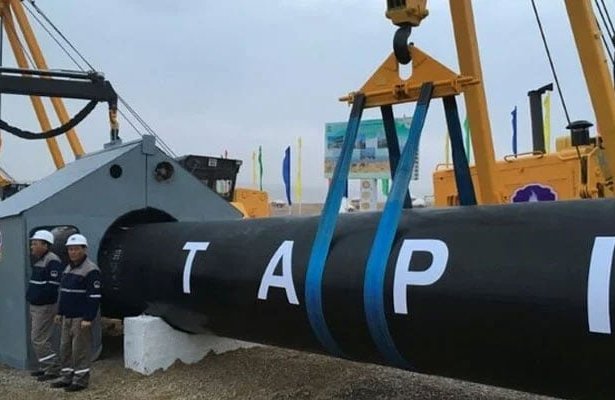
Pakistan’s Cabinet Committee on Disposal of Legislative Cases (CCLC) has approved crucial amendments to the Gas Infrastructure Development Cess (GIDC) Act, 2015, paving the way to unlock over Rs400 billion in stuck funds currently tied up in litigation across various High Courts. Read More: https://theboardroompk.com/saudi-arabia-launches-national-privatization-strategy-targets-64b-in-private-investments-by-2030/ This decision, made on a summary from the Petroleum Division dated January 1, 2026, aims to resolve long-standing legal disputes and enable the utilization of these funds for essential gas infrastructure projects. Background and Legal Challenges The GIDC was initially imposed on gas consumers, excluding domestic and commercial sectors, to finance major pipeline initiatives. Introduced under the GIDC Act 2011 and Ordinance 2014, it faced constitutional challenges and was struck down by the Supreme Court in 2014. The 2015 Act reinstated it with retrospective effect, designating funds for projects like the Iran-Pakistan Pipeline, Turkmenistan-Afghanistan-Pakistan-India (TAPI) Pipeline, and LNG developments. However, industrial, fertilizer, and CNG consumers contested its validity in High Courts, leading to prolonged appeals. In August 2020, the Supreme Court upheld the Act’s constitutionality, classifying GIDC as a fee requiring quid pro quo, and allowed recovery of arrears in installments without imposing fresh cess. Implications and Future Steps Despite the ruling, litigation persists, blocking the release of over Rs400 billion for intended projects. A high-powered GIDC Committee, formed in November 2022 under the Prime Minister and later chaired by the Finance Minister in March 2025, recommended amendments to Section 4 to address court observations. The CCLC’s approval incorporates these changes, to be refined by the Law and Justice Division before final Cabinet endorsement. This move is expected to facilitate legal resolutions, allowing gas companies to advance stalled infrastructure. For consumers, it could stabilize gas supply and pricing by enabling project progress. Failure to pursue these initiatives, as noted by the Supreme Court, might render the cess inoperative. Overall, the amendments signal a commitment to overcoming bureaucratic and judicial hurdles for Pakistan’s energy sector growth.

Pakistan's Private Sector Borrowing Jumps Rs589bn in FY26 Amid Policy Boosts
Pakistan

Pakistan’s Private Sector Borrowing Jumps Rs589bn in FY26 Amid Policy Boosts

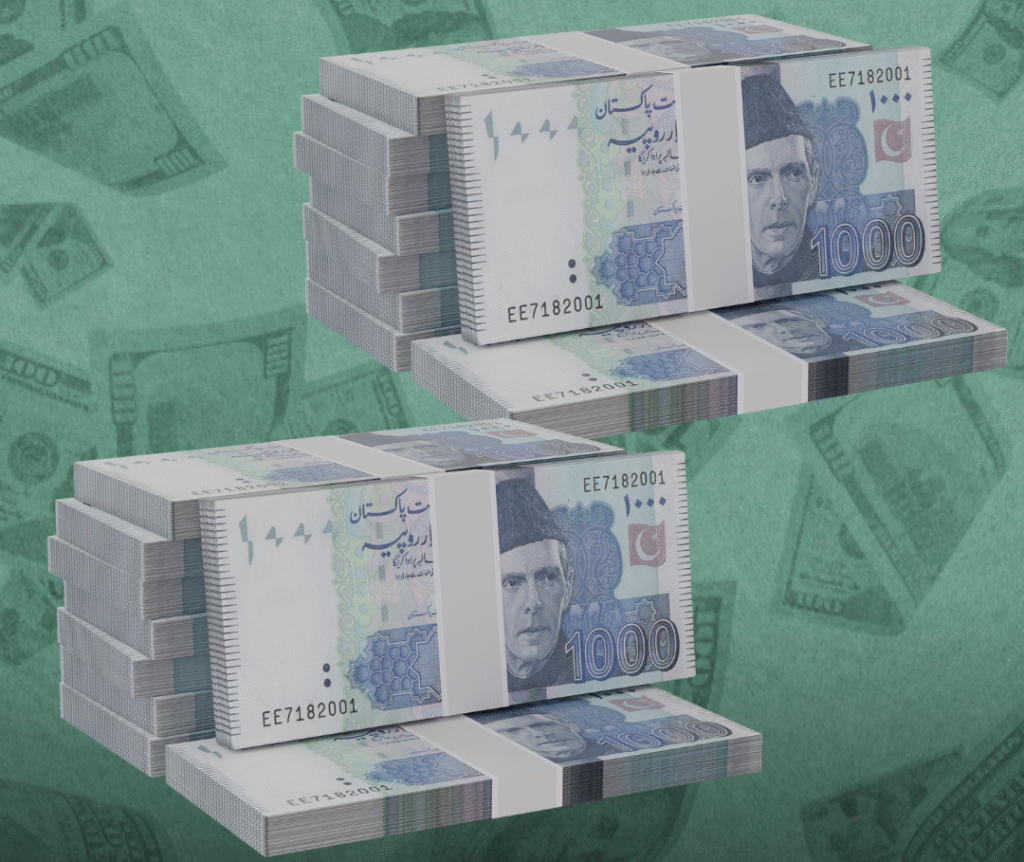
Pakistan’s banking sector has seen a significant uptick in private sector credit, with disbursements reaching Rs589 billion from July 1, 2025, to January 16, 2026. Read More: https://theboardroompk.com/ai-voice-command-banking-is-here-and-ubl-is-leading-the-revolution/ This growth, though lower than the Rs1.367 trillion recorded in the same period last year, signals a rebound driven by recent government and central bank measures aimed at stimulating economic activity. Government and SBP Initiatives The federal government recently slashed the export refinance rate by 300 basis points to 4.5 percent, providing much-needed relief to export-oriented industries. In parallel, the State Bank of Pakistan (SBP) held its key policy rate steady at 10.5 percent while reducing the Cash Reserve Requirement (CRR) for banks from 6 percent to 5 percent. This CRR adjustment is designed to inject additional liquidity into the banking system, encouraging more lending to businesses. Expert Insights and Future Outlook Banker Mir Bakhtiar Ali Khan praised the CRR cut as a timely intervention that could release at least Rs300 billion for lending. He noted that channelling even half of this to the private sector could accelerate growth in large-scale manufacturing, projected at around 6 percent this fiscal year. Babar Khan, Chairman of the Pakistan Hosiery Manufacturers and Exporters Association, welcomed the export incentives but urged further reductions in energy costs and taxes to enhance global competitiveness. Analyst Ibrahim Amin highlighted the need to include small and medium exporters in refinance schemes, rather than favoring large players. He also advocated for integrating e-commerce startups into formal banking to boost exports. Experts believe these steps will lower borrowing costs, improve market liquidity, and foster sustainable economic expansion. Overall, the measures reflect a commitment to supporting industrial revival and inclusive growth in Pakistan’s economy.

Scroll to Top