
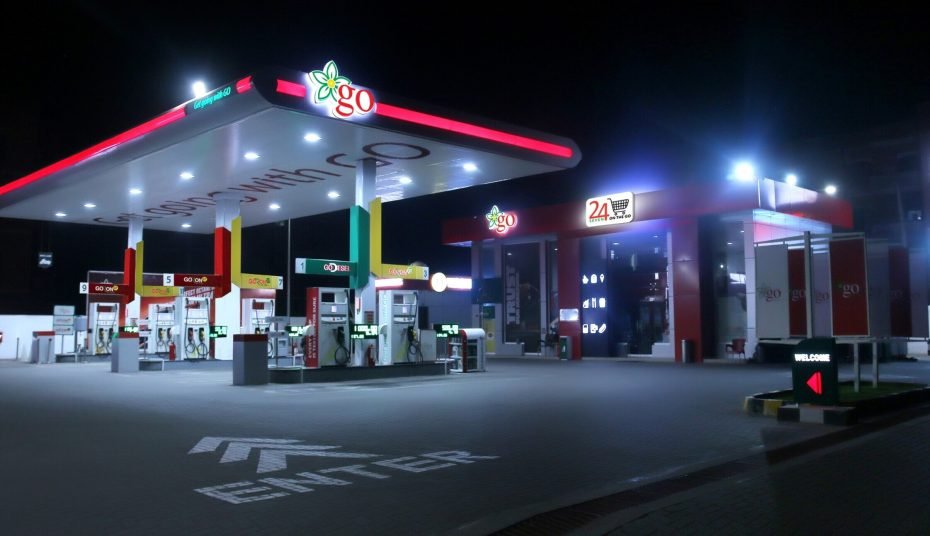
Gas & Oil Pakistan Ltd (GO), the Aramco-backed oil marketer, recorded the steepest sales decline among major oil marketing companies (OMCs) in September, with its fuel volumes falling sharply following the sealing of its bonded warehouses by the Federal Investigation Agency (FIA).
Industry data showed GO sold 51,000 tonnes of fuel during September, down 71.1 percent from 178,000 tonnes in the same month last year. The decline was significantly larger than the contraction recorded by other major players in the oil marketing sector.
Saudi Aramco acquired a 40 percent stake in GO in 2024, marking its first downstream retail investment in Pakistan. Before the recent disruption, GO had been one of the country’s faster-growing oil marketers.
GO Petroleum Sales Fall Across Petrol and Diesel
The decline was particularly severe in high-speed diesel sales.
GO’s diesel volumes dropped 82.3 percent year on year to 16,000 tonnes in September, compared with 88,000 tonnes during the same month last year.
Motor spirit sales also declined substantially, falling 58.9 percent to 35,000 tonnes from 86,000 tonnes a year earlier.
On a month-on-month basis, however, the decline was relatively limited, with GO’s total sales easing 0.7 percent from August.
The weakness also extended beyond September. During the first quarter of the fiscal year, GO’s total fuel volumes fell 60.9 percent to 190,000 tonnes from 486,000 tonnes in the corresponding period last year. Diesel volumes alone declined 72.4 percent.
GO’s Petrol and Diesel Market Share Shrinks
The sharp decline in sales significantly reduced GO’s position in Pakistan’s fuel market.
GO’s share of the petrol market fell to 5.4 percent in September from 12.6 percent a year earlier. Its diesel market share dropped even more sharply, declining to 3.0 percent from 14.9 percent.
Across total energy products, GO’s market share contracted to 3.8 percent from 13.0 percent.
Pakistan State Oil (PSO) captured a substantial portion of the market share lost by GO. PSO accounted for 46.4 percent of petrol sales and 51.2 percent of diesel sales during the month.
FIA Action on Bonded Warehouses Hits GO Petroleum
GO’s sales retreat followed action by the Federal Investigation Agency against the company’s bonded warehouses in July.
The action was linked to an inquiry into the alleged removal of bonded fuel without payment of applicable duties and levies. GO has said it is cooperating with the investigation.
The company’s fuel sales have not recovered since the FIA action, with the scale of the decline suggesting that the disruption had a significant impact on its ability to move fuel through the market.
Higher Fuel Prices Add Pressure to Oil Marketing Sector
The broader oil marketing market was also under pressure during September, although the industry-wide decline was considerably smaller than GO’s contraction.
Overall industry volumes fell 1.8 percent year on year to 1.35 million tonnes. Petrol and diesel sales also declined once furnace oil volumes were excluded.
Fuel prices remained elevated compared with the previous year. Average petrol prices were 32 percent higher year on year, while diesel prices increased by 38 percent as regional tensions contributed to higher imported fuel costs.
However, GO’s 71.1 percent sales decline was far greater than the broader industry’s contraction. This points to a company-specific disruption, rather than higher fuel prices alone, as a major factor behind the company’s weaker performance.
Fuel Stocks Remain Above Regulatory Cover
Despite the disruption affecting GO, overall petrol and diesel inventories remain above the regulator’s required 20-day stock cover.
However, any new disruption to fuel imports could tighten domestic supply conditions. A prolonged supply squeeze could also increase the incentive for informal fuel trade.
For GO, the immediate challenge remains restoring its market presence after the bonded-warehouse disruption and rebuilding volumes across its petrol and diesel businesses.