
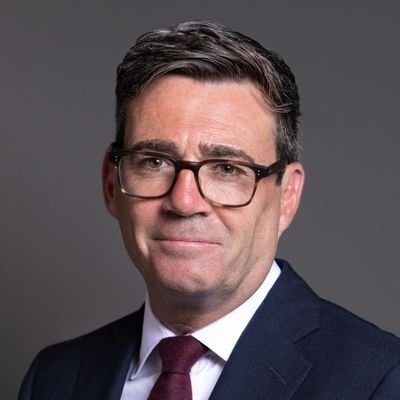
Britain has entered another chapter of political change as Andy Burnham UK Prime Minister officially takes office, becoming the country’s sixth prime minister since 2016. His arrival at Downing Street marks more than a leadership transition—it represents a critical test for one of Europe’s largest economies, where political instability, weak economic growth, rising government debt, and public frustration have combined to create enormous pressure on the new administration.
Burnham inherits power following the resignation of Keir Starmer, whose government struggled with political controversies, policy reversals, and declining public confidence despite Labour’s overwhelming election victory just two years earlier. Markets, businesses, and millions of households will now be closely watching whether Burnham can deliver meaningful economic reforms while rebuilding trust in government.
Andy Burnham UK Prime Minister Begins with an Ambitious Reform Agenda
Speaking before officially entering Downing Street, Burnham made it clear that his government intends to break away from the political approach that has dominated Britain over the past decade.
He argued that existing policies have failed to deliver sustainable economic progress and pledged to govern differently by focusing on stability, long-term investment, and stronger regional development. His administration is expected to prioritize restoring confidence in government while giving greater authority to regional communities outside London.
One of the earliest signs of this policy shift came even before taking office. Burnham cancelled the previous government’s nationwide digital identity programme, a project estimated to cost £1.8 billion over three years. The funds, according to his team, will instead be redirected toward easing the cost-of-living pressures facing British families.
The Economic Challenges Waiting at Downing Street
The honeymoon period for any new leader is expected to be short.
Britain’s economy continues to face sluggish growth, elevated borrowing costs, stubborn inflationary pressures, and an expanding welfare bill. At the same time, migration remains one of the country’s most politically sensitive issues, with increasing public support for Nigel Farage’s Reform UK placing additional pressure on Labour.
External risks are equally significant. Volatile global energy prices, intensified by tensions surrounding the US-Iran conflict, continue to threaten businesses and consumers alike. Meanwhile, uncertainty surrounding United States policy under President Donald Trump adds another layer of unpredictability for international investors.
These domestic and global challenges leave Burnham with limited financial flexibility, especially as strict fiscal rules require government spending to remain aligned with tax revenues.
Cost-of-Living Relief Tops the New Government’s Priorities
Throughout his leadership campaign, Burnham repeatedly highlighted the financial struggles facing ordinary households.
He has promised early measures aimed at reducing the pressure on family budgets while reshaping public spending to focus on prevention rather than crisis management. Instead of increasing expenditure after problems emerge, Burnham argues that earlier investment in public services, communities, and economic development will generate better long-term outcomes while reducing government costs.
Business leaders will also be paying close attention to his promised strategy for stimulating economic growth through investment and decentralisation, particularly in northern England and regional cities that have long argued they receive less government support than London.
Political Stability Could Be Britain’s Biggest Economic Asset
Perhaps Burnham’s greatest challenge is not introducing new policies but restoring confidence after years of political instability.
Since 2016, Britain has experienced a revolving door of prime ministers, creating uncertainty for investors, businesses, and international partners. Burnham has acknowledged this reality, describing his leadership as an opportunity to bring a more stable and predictable style of government.
His experience as Mayor of Greater Manchester has earned him a reputation for practical leadership focused on local communities rather than Westminster politics. Supporters believe this regional perspective could help reconnect government with voters who have become increasingly disillusioned.
Labour Faces a Race Against Time
While Burnham enters office with considerable public attention, political analysts argue that time is not on his side.
The next general election is expected in 2029, leaving the new prime minister with only a few years to demonstrate tangible improvements in economic performance, living standards, and public services. Polls already suggest Reform UK could become Labour’s strongest challenger if voters remain dissatisfied.
Burnham himself has described this moment as Labour’s “last chance” to prove it can govern effectively.
Whether his strategy of increased investment, regional empowerment, and targeted cost-of-living support succeeds will determine not only the future of his government but also Britain’s broader economic direction.
Outlook for Businesses and Investors
The appointment of Andy Burnham UK Prime Minister represents a significant political shift that could reshape Britain’s economic priorities. Investors will be watching cabinet appointments, fiscal decisions, and early policy announcements for signals about taxation, infrastructure spending, business investment, and financial discipline.
For companies operating in the UK, Burnham’s commitment to regional economic development could create new opportunities beyond London, while households will be hoping his promised cost-of-living measures deliver immediate financial relief.
The coming months will determine whether Britain’s newest prime minister can transform ambitious promises into measurable economic results.