
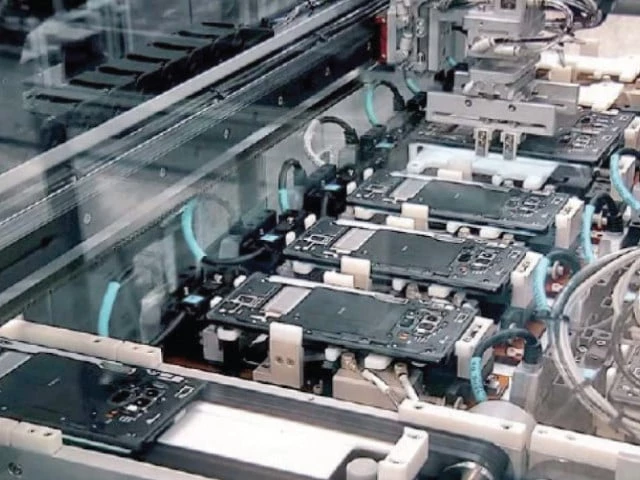
Pakistan’s once-thriving mobile phone manufacturing sector is facing serious challenges, with production dropping sharply amid global and domestic pressures. A surge in worldwide demand for artificial intelligence infrastructure has strained semiconductor supplies, as resources are increasingly diverted toward data centres. This global shift has pushed memory chip prices up significantly, nearly doubling in some cases, which has raised production costs for mobile phones across many countries, including Pakistan. As a result, local manufacturers are now struggling with higher input expenses and tighter margins.
At the same time, domestic policy measures have further weakened demand. The government’s decision to impose an 18% sales tax on mobile phones last year significantly increased retail prices, reducing consumer purchasing power. This has led to slower sales and growing unsold inventory among manufacturers and retailers, putting additional financial pressure on the sector. According to Pakistan Telecommunication Authority (PTA) data, local mobile production fell by 35% in April 2026, dropping to 1.81 million units from 2.79 million units in March. Although local manufacturing still met 83% of domestic demand in April, this was down from 89% the previous month.
Despite the current slowdown, Pakistan’s mobile manufacturing industry has grown substantially since 2020. The Mobile Device Manufacturing Policy enabled a major shift from full imports to local assembly, and today more than 90% of mobile phones sold in the country are produced locally. Around 37 companies now hold manufacturing licences, with 10 to 12 firms producing smartphones while others focus on feature phones. The sector also provides direct employment to approximately 50,000 workers, making it an important contributor to industrial activity and job creation.
Major global brands such as Samsung, Xiaomi, Tecno, Oppo, Vivo, and Infinix have established operations in Pakistan, further strengthening the industry’s ecosystem. However, manufacturers continue to highlight challenges that limit deeper localisation and export growth. Issues such as inconsistent policy direction, tariff distortions, and reverse cascading—where imported raw materials face higher duties than some finished products—are discouraging investment in local component manufacturing. Industry stakeholders are calling for stable tax policies, removal of structural inefficiencies, and stronger export incentives, including an 8% export allowance in the upcoming policy framework.
Looking ahead, sustaining and strengthening the sector could bring significant long-term economic benefits. Estimates suggest that maintaining local mobile production could save over $2.3 billion in foreign exchange between 2026 and 2031, while also reducing reliance on imports. Pakistan is encouraged to learn from countries like India, which successfully implemented production-linked incentives and now exports mobile phones worth over $25 billion annually. Stakeholders emphasize that without timely policy support, the progress achieved over the past few years could be at risk, making urgent intervention essential to preserve this strategically important industry.