
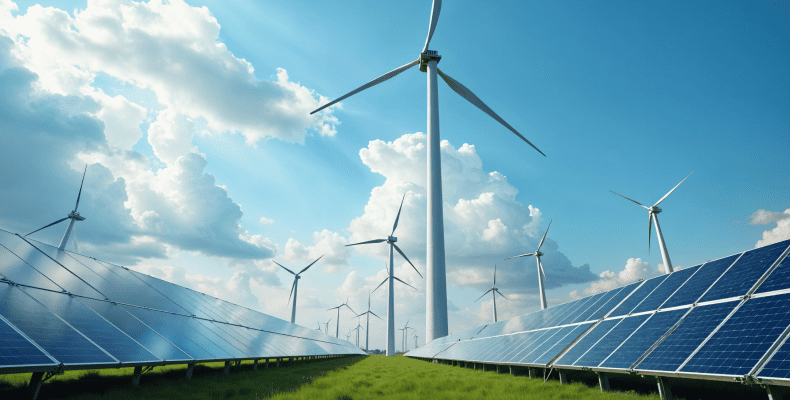
April often proves favourable for renewables due to spring conditions in the Northern Hemisphere. Strong winds combine with rising solar generation as days lengthen, particularly where most global solar capacity is concentrated.
Read More: https://theboardroompk.com/pakistan-agrees-to-imf-primary-surplus-target-for-fy2027-28/
This achievement reflects sustained year-on-year growth rather than a temporary fluctuation. Ember analysts noted that combined wind and solar output increased by an estimated 13% compared to the previous year.
Regional Growth Highlights
Several key markets drove the gains. China recorded a 14% increase, while the European Union saw 13% growth. Britain posted a remarkable 35% rise, the United States 8%, Australia 17%, Chile 24%, and Brazil 4%.
The analysis draws from reported data in 36 countries, supplemented by conservative estimates for others yet to release April figures. Wind and solar together accounted for 22% of global electricity in April, compared to gas at 20%.
Ember emphasised that the current energy crisis has strengthened the economic case for renewables over imported gas. It has also added political urgency to accelerate deployment in many nations.
Kostantsa Rangelova, global electricity analyst at Ember, stated that the move represents a broader trend. Renewables are helping reduce reliance on gas imports for countries affected by recent geopolitical tensions, including the Iran conflict.
This April milestone builds on longer-term progress in the power sector. Solar has been expanding rapidly, and combined with wind, clean sources are increasingly meeting rising electricity demand while displacing fossil fuels.
Experts view the event as an encouraging sign for climate goals. Faster deployment of wind and solar projects could further accelerate the decline in fossil fuel dependence. However, challenges remain in grid integration, storage, and consistent policy support across regions.
Countries continue investing heavily in renewable infrastructure. Supply chain improvements and falling technology costs are making wind and solar more competitive. As capacity grows, similar monthly records are likely to become more frequent.
The development underscores the shifting dynamics in global energy markets. Policymakers and industry leaders are watching closely as renewables gain ground in the electricity mix.