
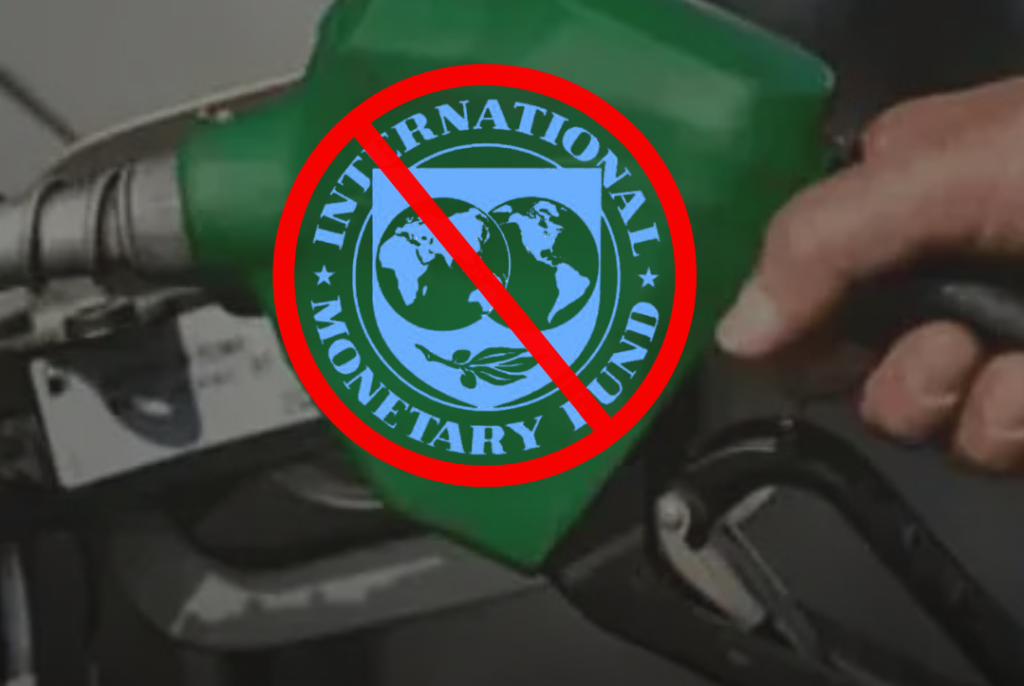
The Petroleum Division has strongly opposed any further increase in the petroleum levy target and recommended reducing it to Rs1 trillion for FY2027 while cutting the per-litre levy rate to Rs50 as long as global oil prices remain elevated.
Read More: https://theboardroompk.com/pakistan-kenya-agree-to-double-bilateral-trade-in-five-years/
The proposal is aimed at easing pressure on consumers already burdened by record-high fuel prices and heavy taxation. Officials warned that maintaining excessively high levies could worsen affordability issues and create broader economic and social challenges across Pakistan.
According to the division, recent tensions between the United States and Iran have pushed global oil prices sharply higher, resulting in domestic fuel price increases of nearly 56 percent for petrol and 48 percent for diesel. The division argued that reducing reliance on petroleum levies is necessary to protect vulnerable segments of society.
Ali Pervaiz Malik reportedly wrote to Finance Minister Muhammad Aurangzeb, stressing the urgent need for relief measures. Discussions were also held at the Prime Minister’s Office regarding the worsening fuel price situation.
The proposed Rs1 trillion levy target is Rs727 billion lower than projections made by the International Monetary Fund and Rs468 billion below the original target for the current fiscal year. The Petroleum Division also recommended reducing the levy on petrol and diesel to Rs50 per litre, which is Rs30 lower than the IMF-agreed rate.
Currently, the government charges around Rs118 per litre as petroleum levy on petrol. Under the proposal, the levy should only increase beyond Rs50 if global crude oil prices fall below $60 per barrel. The recommendations were submitted to the Finance Ministry ahead of the federal budget announcement scheduled for June 5.
The division noted that since the Pakistan Democratic Movement government came to power in 2022, petroleum levy collections have consistently exceeded targets, reaching an estimated Rs4.3 trillion between July 2022 and June 2026. By comparison, collections remained below targets during the final two years of the previous Pakistan Tehreek-e-Insaf government.
Officials highlighted that petroleum levy currently accounts for nearly 36 percent of the total petrol price and has frequently been used to offset revenue shortfalls faced by the Federal Board of Revenue.
The Petroleum Division also proposed reducing sales tax on LPG from 18 percent to 10 percent and avoiding any increase in LPG levy targets. It further recommended allocating Rs130 billion for gas subsidies instead of passing the financial burden onto residential consumers.
Additional recommendations included resolving legacy issues facing Pakistan State Oil, ending cross-subsidies in gas pricing, clearing Rs55 billion in pending tax refunds for Sui Northern Gas Pipelines Limited, and addressing Rs182 billion tax demands related to gas swapping arrangements.
The division also stressed the need to budget for PSO’s exchange losses, allocate funds to clear Rs61 billion in arrears, and abolish the 10 percent super tax imposed on oil and gas companies to maintain sector viability.
Experts believe these measures are necessary to ensure a sustainable energy supply chain while protecting the financial stability of companies operating in Pakistan’s oil, gas, and mineral sectors.