
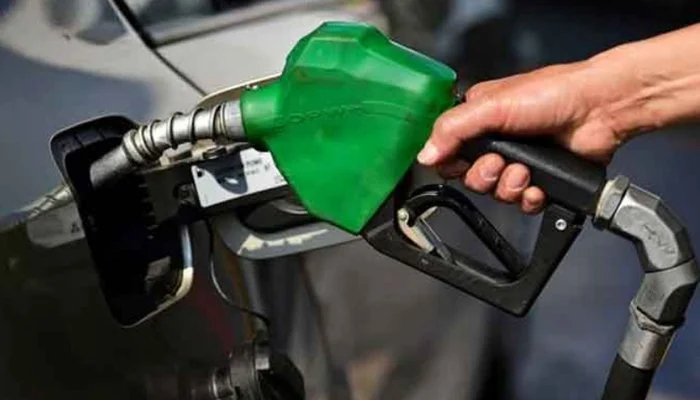
The International Monetary Fund has set a ambitious petroleum levy collection target of Rs1.73 trillion for fiscal year 2026-27. This marks a significant increase from the current year’s target.
Revenue Mobilization Challenges
The IMF staff-level report highlights the need for additional revenue efforts totaling Rs860 billion from federal and provincial governments. This push aims to strengthen fiscal consolidation.
Federal authorities will contribute half through new taxes and enforcement, while provinces focus on services GST and agricultural income tax.
Budget and Defence Projections
The federal budget is projected to exceed Rs17.1 trillion, reflecting nearly 9% growth. Defence spending is expected to reach Rs2.665 trillion.
Pakistan has committed to Rs215 billion in new taxes and another Rs215 billion via improved enforcement and audits. The FBR revenue target stands at Rs15.27 trillion.
Achieving the petroleum levy goal may require higher fuel prices or stronger compliance. Current levies stand at Rs117.4 per litre on petrol and about Rs43 on diesel.
The IMF notes petroleum products face an effective tax rate of 166%, making revenues vulnerable to demand shocks and international price fluctuations.
Broader Tax Reforms Needed
Provinces must expand GST on services across all sectors and implement new agricultural income tax rates. These steps target an additional 0.3% of GDP in revenue.
Experts warn that narrow tax bases, especially in agriculture and GST exemptions, continue to limit overall collections despite reforms.
The government assured the IMF that any tax relief in the budget will be offset by equivalent new measures to protect revenue yields.
Economic Outlook and Risks
The IMF revised down growth forecasts due to global uncertainties, including potential Middle East conflicts affecting oil supplies and remittances.
Inflation is projected around 8.4% in FY27, with no room for fuel subsidies. Loan disbursements remain linked to full price recovery.
Public debt sustainability holds under baseline scenarios but faces high risks from financing needs and external shocks.
This development underscores Pakistan’s continued reliance on fuel taxation while pushing for broader structural reforms to boost tax-to-GDP ratio and fiscal discipline.