
The federal government is preparing major reforms for Pakistan’s automobile sector under the upcoming Auto Policy 2026 to 2031. The new framework is expected to introduce fresh incentives for electric vehicles while gradually reducing long standing tariff protections in the industry.
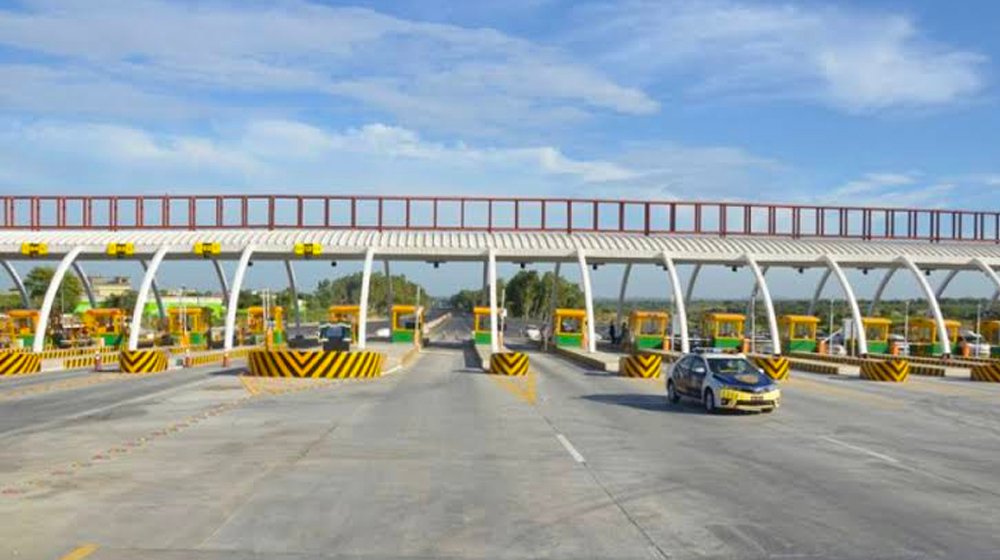
According to sources, the government plans to provide toll free access on motorways and national highways for New Energy Vehicles. These vehicles include battery electric vehicles, plug in hybrid vehicles, and fuel cell electric vehicles.
Officials believe the initiative will encourage consumers to shift toward cleaner and more energy efficient transport options. The proposal forms part of broader efforts to promote sustainable mobility and reduce dependence on imported fuel.
Sources said the government wants to accelerate the adoption of modern vehicle technology in Pakistan through targeted incentives and policy reforms. The expected motorway toll relief aims to make electric vehicle ownership more attractive for consumers.
The upcoming policy also includes major changes to Pakistan’s traditional auto protection regime. The government plans to phase out Additional Customs Duties completely by fiscal year 2029.
At the same time, Regulatory Duties will see a sharp reduction over the next several years. Officials said these duties will decrease by nearly 80 percent by fiscal year 2030.
The government also plans to abolish all concessionary Statutory Regulatory Orders linked to the auto sector by 2030. These concessions have historically played a major role in protecting local manufacturers from foreign competition.
Officials believe the reforms will improve market competitiveness and attract new investment into Pakistan’s automobile industry.
The policy further outlines a gradual reduction in import tariffs on vehicles. Duties on Completely Built Unit vehicles currently range from 50 percent to 100 percent. Under the proposed framework, these duties will decline to between 35 percent and 75 percent over the next five years.
Similarly, the government plans to lower tariffs on Completely Knocked Down units used for local vehicle assembly. Duties on CKD units for cars, SUVs, and minivans will fall from 30 percent to 20 percent during the policy period.
The reforms aim to reduce the weighted average applied tariff to below 6 percent by fiscal year 2030.
Officials said the policy will continue supporting domestic manufacturing despite lower tariffs. Incentives for New Energy Vehicles will remain linked to localization requirements to encourage local production and parts manufacturing.
Companies seeking policy benefits will need to increase local assembly and develop domestic supply chains. The government hopes this strategy will strengthen Pakistan’s automotive sector while supporting the transition toward cleaner transport technologies.
Industry experts believe the reforms could transform the local automobile market in the coming years. Lower duties and electric vehicle incentives may attract international manufacturers and increase competition in Pakistan.
Analysts also believe consumers could benefit from greater vehicle variety, improved technology, and potentially lower prices in the long term.
The new policy comes at a time when governments around the world are promoting cleaner mobility solutions to reduce carbon emissions and dependence on fossil fuels. Pakistan now appears ready to move in the same direction with a stronger focus on electric and hybrid transportation.
The Auto Policy 2026 to 2031 is expected to define the future of Pakistan’s automobile industry as authorities push for industrial growth, foreign investment, and sustainable transportation solutions.