
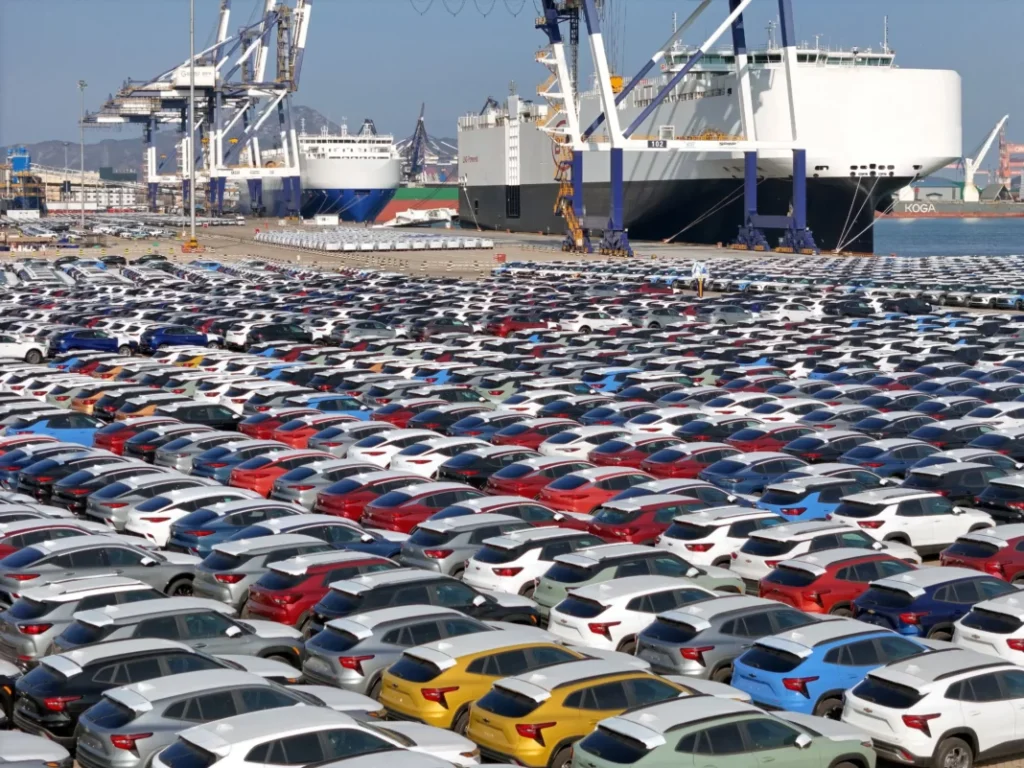
Pakistan is preparing to enforce strict new vehicle import rules from July 1 under guidance from the International Monetary Fund. The move aims to improve transparency, raise quality standards, and expand the country’s tax net. Officials say the policy will reshape how vehicles enter Pakistan and who can import them.
Only Tax Compliant Entities Will Be Allowed
The new vehicle import rules Pakistan will restrict imports to tax compliant entities. Authorities plan to bar individuals who are non filers or not registered for tax purposes. This decision reflects a broader effort to bring more people and businesses into the formal tax system.
Under the proposed framework, only companies with a valid National Tax Number will qualify for vehicle imports. These companies must also be registered under the Companies Act 2017. This requirement will effectively exclude individuals and sole proprietors from importing vehicles.
Officials believe this step will improve documentation and reduce misuse of import channels. It will also ensure that only verified businesses handle vehicle imports.
Engineering Development Board to Oversee Used Imports
The government plans to increase oversight of used vehicle imports. Importers will now need to register with the Engineering Development Board. This additional layer of regulation aims to monitor compliance more effectively.
Authorities say the involvement of the Engineering Development Board will help enforce quality and safety standards. It will also ensure that importers follow proper procedures before bringing vehicles into the country.
After Sales Support Becomes Mandatory
The new policy places strong emphasis on after sales support. Officials have made it clear that vehicles without proper service networks will not qualify for import.
Importers must prove that they can provide genuine spare parts and trained technicians. They must also demonstrate access to diagnostic facilities. This requirement aims to protect consumers from poor quality vehicles that lack maintenance support.
Commercial importers will need to submit detailed plans for after sales services. These plans must show how they will handle repairs and ensure long term vehicle performance.
Strict Quality and Safety Checks Introduced
The vehicle import rules Pakistan will also tighten quality control measures. Importers must submit pre shipment inspection certificates. These certificates will confirm that vehicles meet environmental and safety standards before they leave the exporting country.
Authorities will also require fitness and quality testing documents. These documents will verify that the vehicles are in acceptable condition for use in Pakistan.
In addition, post shipment inspection certification will become mandatory. Once vehicles arrive in Pakistan, they will undergo further checks to ensure compliance. This step will reduce the risk of substandard vehicles entering the market.
Digital Records to Improve Transparency
Another key feature of the new policy is the requirement for digital record keeping. Importers must maintain detailed records for each vehicle. These records will include engine numbers, chassis numbers, and other essential details.
This system will improve traceability and transparency. It will help authorities track vehicles throughout their lifecycle. It will also reduce the chances of fraud and misreporting.
Officials say digital documentation will modernize the import process. It will make it easier for regulators to monitor compliance and enforce rules.
IMF Driven Reforms Target Economic Stability
The reforms come as part of broader economic measures linked to the International Monetary Fund program. Pakistan has committed to improving governance and increasing tax revenue.
By restricting imports to compliant entities, the government aims to expand the tax base. It also wants to ensure that imports align with international standards.
Experts believe these steps will bring long term benefits. They will improve market discipline and protect consumers. However, they may also reduce the number of importers in the short term.
Impact on Market and Consumers
The new rules are likely to reshape Pakistan’s vehicle import market. Fewer players may operate in the sector due to strict requirements. However, the overall quality of imported vehicles is expected to improve.
Consumers may benefit from better after sales support and higher safety standards. At the same time, prices could rise due to increased compliance costs.
Despite these concerns, authorities argue that the reforms are necessary. They aim to create a more transparent and reliable system for vehicle imports.
What Comes Next
With July 1 approaching, businesses are preparing to adapt to the new framework. Importers will need to meet all regulatory requirements or exit the market.
The government plans to monitor implementation closely. It wants to ensure that the new vehicle import rules Pakistan deliver the intended results.
As the policy takes effect, it will mark a significant shift in how Pakistan manages vehicle imports. The focus now remains on enforcement and long term economic stability.