
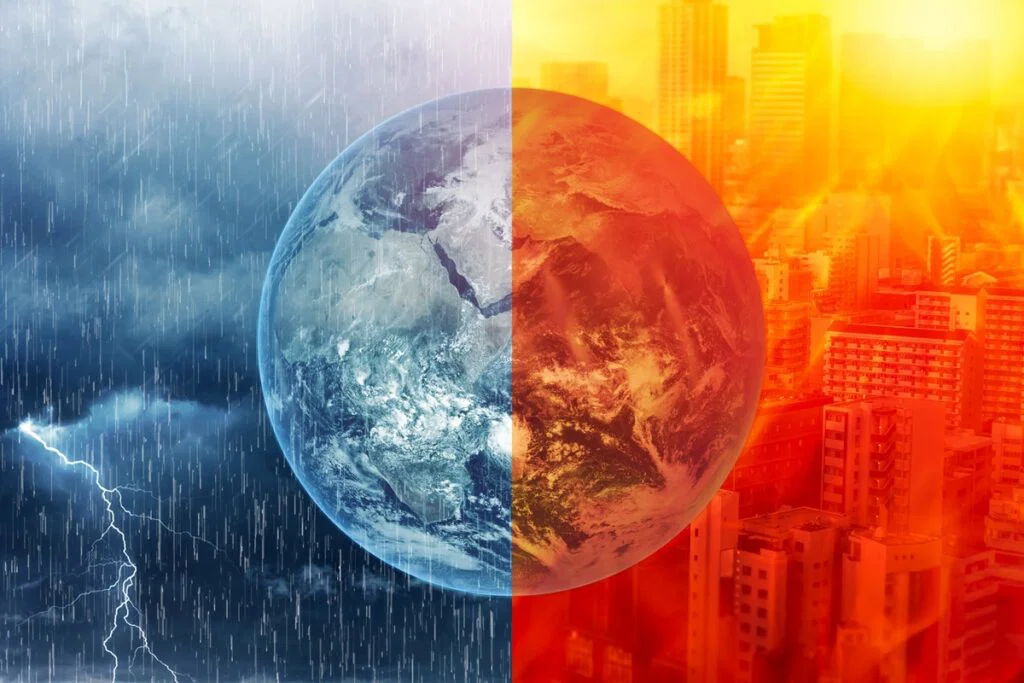
The United Nations has issued a fresh warning that the El Nino 2026 climate phenomenon is likely to return by mid year, raising concerns about rising global temperatures and extreme weather patterns. Experts say early signals point toward a potentially strong event that could impact weather systems across the world.
According to the World Meteorological Organization, El Nino conditions may develop as early as the May to July period. Scientists have observed rapid warming in the Pacific Ocean, which often signals the beginning of this powerful climate cycle.
Early Signs Point to Strong Climate Shift
Climate experts have detected clear changes in ocean temperatures and atmospheric conditions. These shifts suggest that El Nino 2026 is not only approaching but could intensify in the coming months.
Wilfran Moufouma Okia stated that there is high confidence in the onset of El Nino following a period of neutral conditions. He added that current models indicate a strong event, although forecasting accuracy will improve after April.
Scientists say this early warning allows governments and communities to prepare for possible disruptions.
What Is El Nino and Why It Matters
El Nino is a naturally occurring climate phenomenon. It warms surface temperatures in the central and eastern equatorial Pacific Ocean. This warming disrupts normal wind patterns, air pressure, and rainfall distribution.
The phenomenon is part of a larger cycle that includes its opposite phase, La Nina. These conditions alternate every two to seven years, with neutral periods in between. Each cycle typically lasts between nine and twelve months. Although natural, El Nino has widespread global effects. It can trigger heatwaves, droughts, floods, and shifting weather patterns across continents.
Past El Nino Events Broke Temperature Records
The last El Nino played a major role in pushing global temperatures to record highs. It contributed to making 2023 one of the hottest years ever recorded, while 2024 set a new global temperature record.
Experts now warn that El Nino 2026 could further intensify global warming trends. Rising sea surface temperatures already indicate a strong buildup in the Pacific region. The World Meteorological Organization reported that its latest climate update shows a clear shift toward warmer conditions. These changes are happening faster than expected.
Global Temperatures Expected to Rise Further
Forecasts suggest that above normal land surface temperatures will dominate globally in the coming months. This means many regions could face hotter than usual conditions.
Heatwaves may become more frequent and intense. Some areas could also experience heavy rainfall and flooding, while others may face drought conditions.Scientists stress that El Nino does not impact all regions equally. However, its global reach makes it one of the most influential climate events.
Climate Change May Worsen Impacts
While El Nino is a natural cycle, experts warn that climate change can amplify its effects. A warmer atmosphere holds more moisture and energy, which can intensify extreme weather events.
The World Meteorological Organization clarified that there is no direct evidence that climate change increases the frequency of El Nino events. However, it does increase the severity of their impacts. This means stronger storms, heavier rainfall, and more intense heatwaves during El Nino periods.
Rising Concerns for Vulnerable Regions
Countries already facing climate challenges may experience greater risks during El Nino 2026. Developing nations, especially those dependent on agriculture, could see disruptions in crop production.
Water shortages and food security concerns may also increase in some regions. At the same time, urban areas could face stress from heatwaves and extreme weather conditions. Experts urge governments to take early action. Preparedness can reduce the damage caused by sudden climate shifts.
A Critical Period Ahead
The coming months will be crucial for monitoring the development of El Nino 2026. Scientists will continue to track ocean temperatures and atmospheric changes to refine forecasts. Authorities worldwide are expected to issue advisories as the situation evolves. Early warnings can help communities prepare and adapt.
The UN’s alert highlights the growing importance of climate monitoring in a warming world. As global temperatures continue to rise, events like El Nino carry even greater significance. For now, the focus remains on readiness. With strong signals already emerging, El Nino 2026 could shape weather patterns and climate impacts across the globe in the months ahead.