
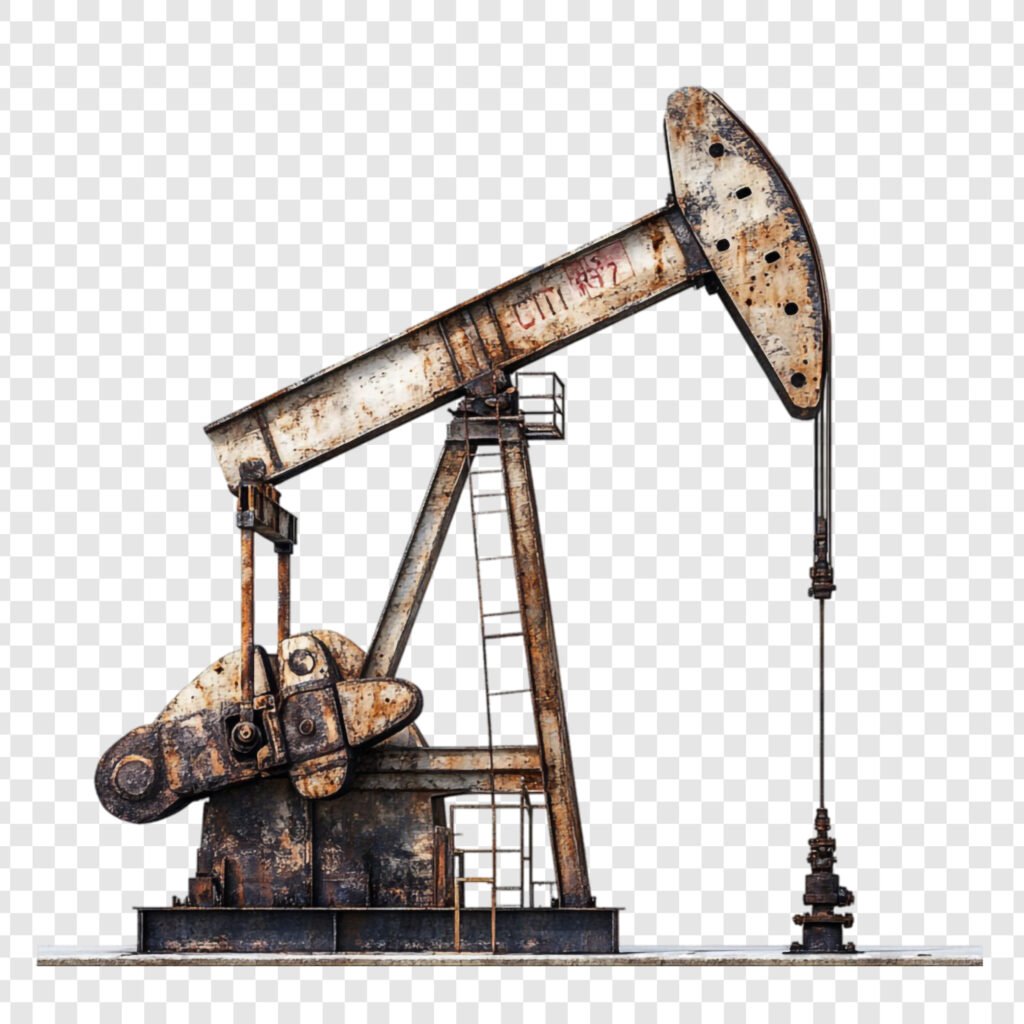
Prime Minister Shehbaz Sharif has launched a major plan to secure Pakistan’s oil reserves amid rising energy concerns.future. Authorities have started work on a comprehensive plan to build and maintain strategic reserves of crude oil. Officials shared updates during a high-level meeting held on Thursday.
Government moves to secure oil reserves
The prime minister chaired the meeting and reviewed progress on the initiative. He stressed that energy security holds critical importance for the country’s long-term planning. Officials briefed him on efforts to strengthen reserves in response to evolving regional challenges.
The government aims to reduce risks linked to global oil supply disruptions. Strategic reserves will help Pakistan manage sudden shortages and price shocks. Authorities believe this step will create stability in the energy sector.
Regional tensions shape policy direction
During the meeting, the prime minister highlighted the impact of the current regional situation. He said timely energy conservation measures helped the country avoid a major crisis. Officials credited coordinated planning and reduced consumption for maintaining stability.
The National Coordination and Management Council continues to monitor developments closely. The council reviews the situation daily and advises the government on necessary actions.
Electric vehicles gain strong push
The prime minister also emphasized a shift toward environmentally friendly transport. He directed authorities to gradually replace traditional vehicles with electric alternatives.
He stated that government departments should only procure electric buses and motorcycles in the future. This move aims to reduce fuel consumption and lower carbon emissions.
Officials informed the meeting that Pakistan plans to convert 30 percent of vehicles to electric within the next five years. This transition could save up to 4.5 billion dollars in fuel import costs.
Incentives planned for public adoption
Authorities have prepared measures to encourage public adoption of electric vehicles. Officials said government employees up to Grade 16 will receive electric motorcycles on easy instalments.
The prime minister instructed departments to ensure transparency in subsidy distribution. He urged officials to speed up implementation under the National EV Policy.
Experts believe these incentives can accelerate the transition toward cleaner transport. Lower costs and financial support may attract more consumers to electric options.
Focus on battery storage solutions
The government also plans to invest in battery storage technology. The prime minister directed authorities to develop a strategy that makes battery acquisition easier.
This initiative will support storage of surplus electricity generated from solar energy. Officials highlighted the importance of efficient storage systems for renewable energy expansion.
Authorities are currently preparing PC-I proposals for two pilot projects. These projects will focus on grid-level battery storage solutions. Experts expect these systems to improve energy reliability and reduce waste.
Local oil and gas production increases
Officials also briefed the prime minister on progress in local energy production. Oil and gas companies continue efforts to increase domestic output.
Authorities believe higher local production will reduce dependence on imports. This strategy aligns with the broader goal of energy independence.
The government aims to combine local production, strategic reserves, and renewable energy. This integrated approach will strengthen Pakistan’s energy framework.
Long-term vision for sustainable growth
The meeting highlighted a broader shift in Pakistan’s energy policy. Authorities now focus on sustainability, efficiency, and resilience.
The prime minister stressed that future planning must balance economic growth with environmental protection. He urged all departments to align their policies with this vision.
Officials believe the combined strategy of reserves, EV adoption, and renewable energy will reshape the sector. The coming years will determine how effectively these plans transform Pakistan’s energy landscape.