
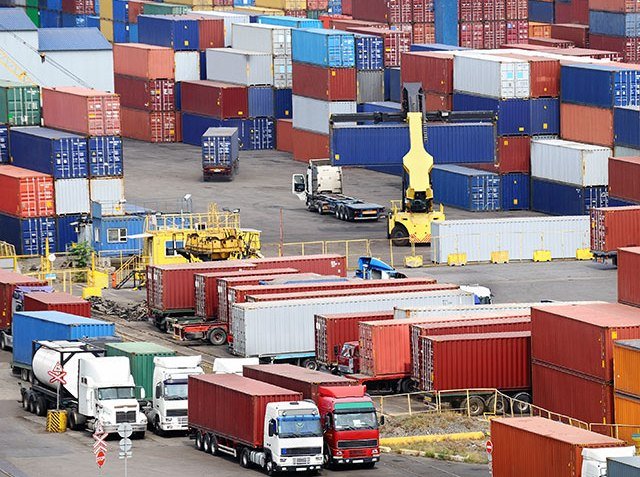
Pakistan is preparing a major shift in its trade policy. The federal government is moving toward reducing import duties and removing thousands of non-tariff barriers. Officials say this step aims to improve market access and support economic activity.
Government plans to remove thousands of barriers
Sources revealed that authorities plan to eliminate more than 2,660 non-tariff barriers. These restrictions currently slow down imports across multiple sectors. The affected industries include mobile phones, cars, dairy products, textiles, steel bars, and medicines.
Officials believe these barriers increase costs and delay supply chains. As a result, businesses struggle to access essential raw materials. The government now wants to create a more open and competitive market environment.
Authorities confirmed that the removal process will begin in June 2026. The plan will roll out in phases. The government aims to complete the full process by November 2026.
IMF pushes for trade reforms
Pakistan has assured the International Monetary Fund that it will implement these reforms. The IMF has consistently urged Pakistan to ease import restrictions. It believes that removing barriers will help stabilize the economy.
Officials say the reforms will allow industries to import raw materials more easily. This step will support production and exports. It will also reduce pressure on local supply chains.
The IMF views these changes as necessary for long-term economic stability. Pakistan’s commitment signals progress in ongoing economic negotiations.
Budget to introduce key duty reductions
The upcoming federal budget will play a crucial role in this transition. Officials plan to introduce changes in 76 Harmonized System codes. These codes define categories of imported goods.
Authorities will likely present duty reductions through the Finance Bill. The goal is to lower import costs and encourage trade activity.
Experts believe that reduced duties will benefit both businesses and consumers. Lower import costs can lead to more competitive prices in local markets.
Phased strategy for smooth transition
The government has designed a phased strategy to avoid sudden disruptions. Officials will gradually eliminate or simplify all identified barriers.
The reforms fall under the Export Policy Order and Import Policy Order. Authorities have set a target to remove 2,662 barriers by June 2026. They plan to complete the remaining adjustments by November 2026.
This phased approach will give industries time to adapt. It will also allow regulators to monitor the impact of changes.
Auto sector set for major overhaul
At the same time, the government is reviewing a new auto policy. This policy could bring significant changes to car imports.
Officials are considering a gradual reduction in duties on used car imports. The new policy is expected to take effect from July 1, 2026.
Sources said the draft policy includes a phased reduction in additional customs duties and regulatory duties. The plan spans four to five years. By 2030, authorities expect major cuts in customs duty rates.
Older vehicles may enter the market
The proposed policy could allow the import of vehicles older than five years. However, authorities will enforce strict safety and environmental standards.
Officials will require proper certification before approving such imports. This condition aims to ensure road safety and environmental protection.
Experts believe this move could increase competition in the local auto market. It may also provide consumers with more affordable vehicle options.
Consultations with IMF continue
Authorities are currently preparing the draft auto policy. They have started initial consultations with the IMF. Officials plan to finalize the draft within the current month.
After that, the government will hold further discussions with the IMF. Once completed, authorities will present the policy to the federal cabinet for approval.
This process highlights the government’s effort to align economic reforms with international expectations.
Businesses expect mixed impact
Industry experts predict mixed reactions from businesses. Importers and manufacturers may welcome easier access to raw materials. However, some local producers may face increased competition.
Economists believe the reforms could boost efficiency in the long run. They argue that open markets encourage innovation and productivity.
At the same time, policymakers will need to support local industries during the transition. Balanced implementation will remain key to success.
Reform signals shift in economic strategy
These planned changes reflect a broader shift in Pakistan’s economic strategy. The government aims to move toward a more open and competitive trade system.
Officials believe that reducing barriers will strengthen economic resilience. It will also improve Pakistan’s position in global markets.
As the reform process begins, businesses and consumers will closely watch its impact. The coming months will determine how effectively these policies reshape the country’s trade landscape.