
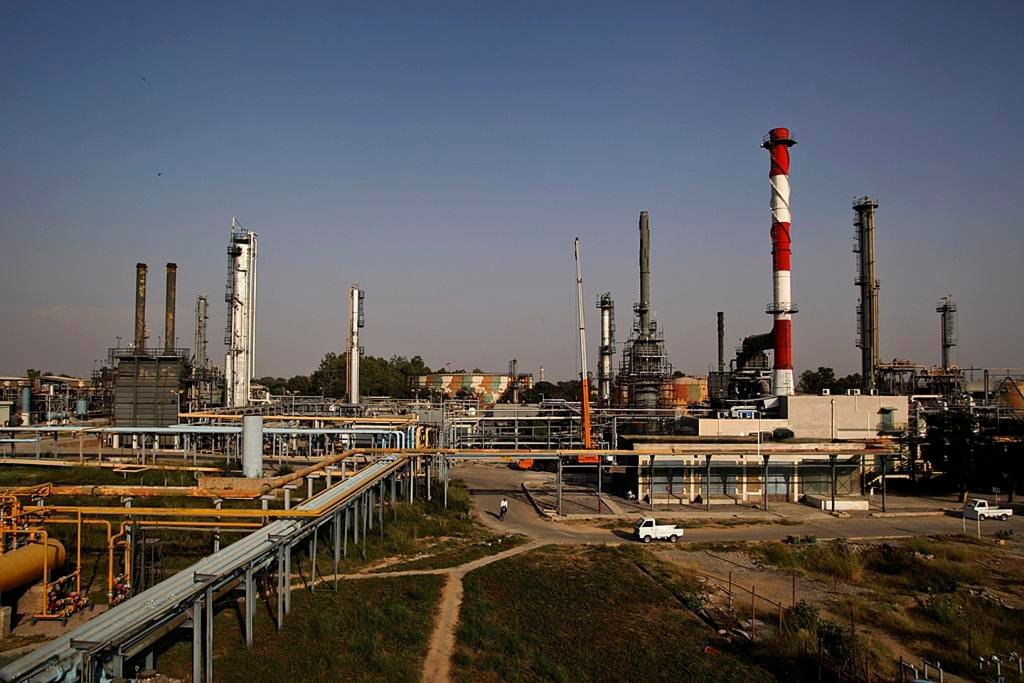
The Attock Refinery Shutdown has sparked widespread concern in Pakistan’s energy sector after Attock Refinery Limited announced the closure of its main crude distillation unit. The decision comes amid a sudden suspension of oil tanker movement, creating ripple effects across fuel supply chains and raising questions about potential shortages.
The refinery confirmed the development in a notice submitted to the Pakistan Stock Exchange, highlighting operational challenges caused by transport restrictions.
Attock Refinery Shutdown: Why Was the Main Unit Closed?
According to the company, the main crude distillation unit, also known as HBU-I, with a capacity of 32,400 barrels per stream day, was forced to shut down after tanker movement to and from the refinery was abruptly halted. The suspension was linked to the expected arrival of foreign delegates in Islamabad, which resulted in road closures affecting petroleum logistics.
The Attock Refinery Shutdown has directly disrupted crude oil receipts and product dispatch operations. With supply routes blocked, the refinery faced two simultaneous problems: declining crude intake and rising storage levels of refined products such as Motor Spirit and High-Speed Diesel.
Fuel Stocks Rising While Dispatches Stall
Industry observers note that the Attock Refinery Shutdown has created an unusual scenario. Instead of shortages at the refinery level, petrol and diesel inventories are building up because products cannot be transported to distribution networks.
The company explained that its Motor Spirit and High-Speed Diesel stocks have increased significantly due to dispatch constraints. At the same time, crude oil deliveries have dropped sharply, making continued operations unsustainable.
Until tanker movement resumes and transportation routes normalize, refinery operations are expected to remain limited. This has triggered concerns among stakeholders about supply continuity in northern regions dependent on Attock’s output.
Market Reaction to Attock Refinery Shutdown
The Attock Refinery Shutdown is being closely watched by investors and energy analysts. Temporary closures at refineries often affect fuel supply logistics, transportation costs, and market sentiment.
Although the shutdown is operational rather than structural, analysts believe prolonged disruptions could impact distribution networks and increase reliance on alternative refineries. The development also highlights Pakistan’s dependence on uninterrupted logistics for maintaining fuel supply stability.
About Attock Refinery Limited
Attock Refinery Limited was incorporated in Pakistan in 1978 and converted into a public company in 1979. The refinery plays a crucial role in refining crude oil and supplying petroleum products.
The company operates as a subsidiary of Attock Oil Company Limited, while its ultimate parent entity is Coral Holding Limited. These international affiliations underline its importance within regional energy markets.
What Happens Next?
The Attock Refinery Shutdown is expected to remain temporary, with operations resuming once tanker movement improves. However, the situation underscores vulnerabilities in Pakistan’s fuel logistics infrastructure.
If road closures continue or similar disruptions occur, refinery operations across the country could face operational bottlenecks. Industry experts emphasize the need for contingency planning and diversified transport mechanisms to ensure uninterrupted fuel supply.