
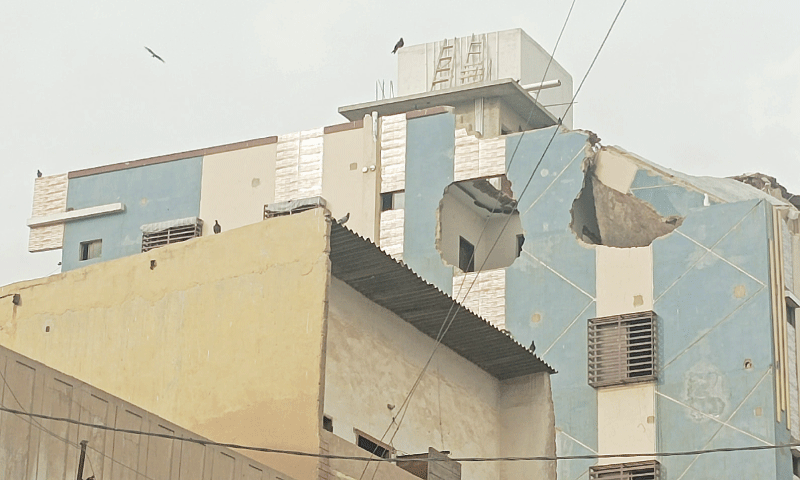
Illegal Construction Karachi has once again sparked outrage among residents after previously demolished structures began reappearing across multiple neighborhoods, raising serious questions about enforcement by the Sindh Building Control Authority. Despite claims of tighter regulations following the tragic collapse at Gul Plaza, illegal construction activities continue to flourish, particularly in North Nazimabad and other densely populated areas.
Residents say the situation is worsening as unauthorized floors are being added to residential plots, placing immense pressure on already strained infrastructure and posing significant safety risks.
Illegal Construction Karachi Driven by Organized Portion Mafia
The Illegal Construction Karachi problem is increasingly linked to organized groups commonly referred to as the portion mafia. These developers purchase residential plots intended for single-family homes and construct multi-storey buildings in violation of approved plans. In many cases, plots designed for one or two floors are converted into four or five-storey buildings.
Such developments are being reported not only in North Nazimabad but also in areas like Federal B Area, Liaquatabad, PECHS, and Nazimabad. Residents warn that these illegal additions are overwhelming water supply, sewerage systems, parking space, and road capacity.
Residents Face Threats for Opposing Illegal Construction Karachi
The Illegal Construction Karachi crisis has also created fear among citizens who attempt to resist unlawful development. In one case, local resident reported that a multi-storey structure was illegally built next to his house on a 200 square yard plot. After filing complaints, authorities demolished the under-construction building.
However, construction resumed shortly afterward. When objections were raised again, he alleged that he received threats and was pressured not to pursue the matter further. Such incidents highlight the growing influence of illegal builders and the lack of sustained enforcement.
Town Authorities Say They Are Powerless
Town Municipal Corporation officials acknowledge that Illegal Construction Karachi is damaging infrastructure but claim they lack authority to intervene. Local administrators say plots originally designed for 10 to 12 residents are now housing up to 70 people, placing severe strain on civic services.
Officials argue that while the burden falls on municipal bodies, enforcement powers remain limited, creating a governance gap that allows illegal structures to proliferate.
SBCA Enforcement Actions Fail to Stop Illegal Construction Karachi
According to official data, the SBCA claims it conducted 396 enforcement actions between January and April. These actions included demolitions, sealing of premises, and stoppage of construction across different districts of Karachi.
However, residents argue that many demolitions are temporary and builders resume work soon after. The continued rebuilding of demolished structures has intensified criticism that enforcement measures lack consistency and deterrence.
Anti Corruption Probe Adds to Illegal Construction Karachi Controversy
The controversy surrounding Illegal Construction Karachi has deepened after the Sindh Anti-Corruption Establishment launched multiple inquiries into SBCA officials. These investigations include allegations related to illegal construction approvals and irregular appointments within the department.
Officials ranging from mid-level officers to senior directors are reportedly under scrutiny. Authorities have requested records of building approvals and sanctioned plans, while another inquiry is examining recruitment of officials allegedly lacking required qualifications.
Infrastructure at Risk as Illegal Construction Karachi Expands
Urban planners warn that unchecked Illegal Construction Karachi could lead to severe consequences. Overcrowded buildings increase the risk of structural failures, fire hazards, and emergency access issues. Additionally, excessive population density in residential areas contributes to water shortages, sewer overflow, and traffic congestion.
Residents fear that without decisive action, the city may face more tragedies similar to past building collapses.
Conclusion: Illegal Construction Karachi Demands Urgent Action
Illegal Construction Karachi has evolved into a major urban governance crisis. Weak enforcement, organized illegal developers, threats to complainants, and ongoing corruption probes collectively highlight systemic failures. Experts emphasize that sustained monitoring, transparent approvals, and strict penalties are necessary to curb illegal construction and restore public confidence.