
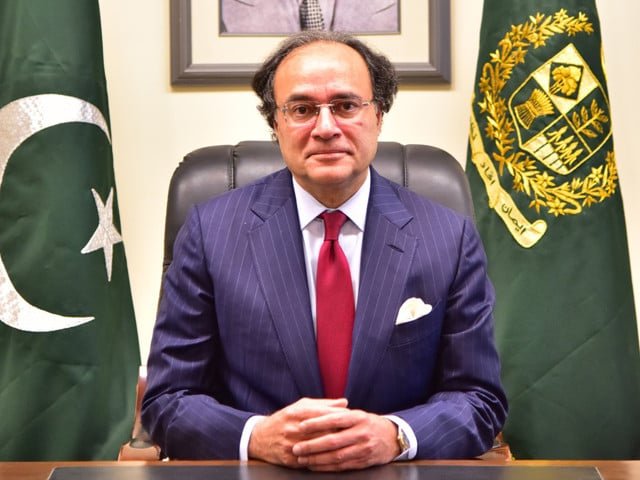
Pakistan UK Development Cooperation moved into the spotlight as Finance Minister Muhammad Aurangzeb held a high level meeting with UK Minister for International Development and Africa Jenny Chapman during the World Bank IMF Spring Meetings. The discussion focused on Pakistan’s improving economic outlook, reform agenda, and future development collaboration, sending strong signals of stability to investors and development partners.
The meeting reinforced the long standing partnership between Pakistan and the United Kingdom, with both sides expressing commitment to strengthening economic and development ties. The finance minister shared that Pakistan’s macroeconomic indicators are showing improvement, a development that has raised optimism across financial markets.
Pakistan UK Development Cooperation and Improving Macroeconomic Indicators
Highlighting progress, Aurangzeb revealed that Pakistan recorded a current account surplus during the first nine months of the ongoing fiscal year. This milestone reflects disciplined fiscal management and strengthening external balances. He emphasized that the government remains on track to meet its fiscal targets by June.
The finance minister also pointed to Pakistan’s return to international capital markets after four years. A recent bond issuance attracted investor interest, signaling renewed confidence in the country’s economic trajectory. This development is widely seen as a major step toward rebuilding Pakistan’s global financial credibility.
Investor Confidence Strengthens Under Pakistan UK Development Cooperation
Aurangzeb acknowledged continued financial support from Saudi Arabia, noting that it has helped stabilize Pakistan’s external sector. He also addressed challenges posed by global energy price volatility, outlining key policy responses implemented by the government.
These measures include fiscal consolidation through reduced expenditures, austerity steps, and full pass through of energy costs. To protect vulnerable groups, targeted subsidies have been introduced using digital cash transfer mechanisms. These reforms aim to balance fiscal discipline with social protection.
IMF Progress and Structural Reforms
A major highlight of the Pakistan UK Development Cooperation discussions was Pakistan’s progress with the International Monetary Fund. The finance minister confirmed that a Staff Level Agreement has been reached, with Executive Board approval expected soon. This development is likely to unlock further financing and boost investor sentiment.
Aurangzeb stressed that structural reforms remain central to Pakistan’s economic strategy. Key priorities include broadening the tax base, reducing inefficiencies in the energy sector, and lowering financing costs. These reforms are intended to create sustainable growth and reduce dependence on external borrowing.
Climate Resilience and Disaster Preparedness
The finance minister also highlighted improvements in climate resilience. Pakistan managed to finance relief efforts during its most recent flood crisis independently, reflecting improved fiscal buffers. He shared that a forward looking National Disaster Management Centre has been established, utilizing artificial intelligence and satellite based monitoring systems to enhance preparedness.
This initiative is expected to strengthen Pakistan’s ability to respond to climate related emergencies and reduce economic losses from natural disasters.
Population Growth and Development Priorities
Aurangzeb identified rapid population growth as a key long term challenge. He noted that this issue has been prioritized under the World Bank’s Country Partnership Framework for Pakistan. Addressing population pressures is seen as critical for sustaining economic growth and improving social services.
UK Support for Pakistan’s Development Goals
The meeting concluded with appreciation for the United Kingdom’s continued support through development programs. Both sides agreed to expand collaboration in economic reforms, social development, and climate resilience. Pakistan UK Development Cooperation is expected to play a vital role in advancing economic stability and sustainable growth.