
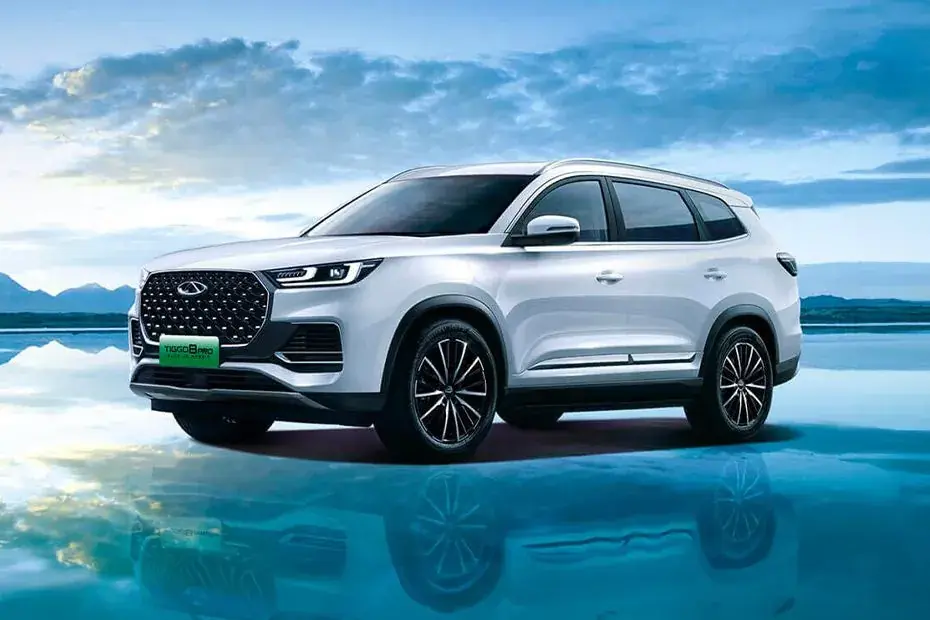
Karachi, April 16: As the global push toward electric vehicles (EVs) gathers pace, emerging markets are charting a different course, with plug-in hybrid electric vehicles (PHEVs) increasingly emerging as the more practical solution. The trend is becoming evident in Pakistan, where market dynamics, infrastructure gaps, and cost considerations are shaping consumer preferences.
The shift comes amid China’s rise as the world’s largest car exporter, surpassing Japan and Germany, driven largely by its dominance in new energy vehicles, including EVs and hybrid models. While developed economies continue to move toward full electrification, countries like Pakistan face structural challenges that make immediate EV adoption less viable.
Industry data shows that electrified vehicles now account for a growing share of China’s auto exports. However, in markets with limited charging infrastructure and inconsistent power supply, PHEVs are being positioned as a transitional technology bridging the gap between conventional internal combustion engines and fully electric mobility.
Pakistan reflects this transition clearly. With fuel prices remaining high and volatile, consumers are increasingly prioritizing running costs over upfront vehicle prices. A conventional petrol vehicle with an average fuel efficiency of around 10 kilometers per litre results in significantly higher per-kilometer costs compared to hybrid and plug-in hybrid alternatives, particularly in urban driving conditions.
At the same time, constraints around EV adoption persist. Charging infrastructure remains underdeveloped, while concerns over driving range and usability continue to influence purchasing decisions, especially outside major urban centers.
These factors have created a favorable environment for PHEVs, with early market indicators suggesting growing traction. Recent activity points to strong consumer interest in plug-in hybrid offerings, particularly within the SUV segment.
Chinese automaker Chery’s entry into Pakistan underscores this shift. Its Tiggo PHEV lineup including the Tiggo 7, Tiggo 8, and flagship Tiggo 9 has generated robust initial demand, with bookings and customer interest reportedly exceeding expectations, according to industry sources.
The range caters to multiple consumer segments, from urban buyers seeking fuel efficiency to families and premium customers looking for a balance of performance, technology, and cost savings.
Market analysts note that the appeal of PHEVs lies in their dual capability: the ability to operate in electric mode for daily commutes while retaining conventional fuel for longer journeys. This flexibility is particularly suited to Pakistan’s current infrastructure and usage patterns.
Globally, PHEVs are increasingly viewed as a bridge technology, especially in regions where EV ecosystems are still evolving. China’s export strategy appears aligned with this approach, focusing on scalable hybrid solutions adaptable to diverse markets.
For Pakistan, this suggests a gradual transition toward electrification. Rather than an immediate shift to fully electric vehicles, the country’s automotive evolution is likely to be driven by plug-in hybrids in the near to medium term, enabling steady adoption while addressing economic and infrastructure constraints.
As the transition unfolds, analysts believe consumer behavior shaped by fuel economics and practicality may ultimately prove more decisive than policy measures in defining the future trajectory of mobility in Pakistan.