
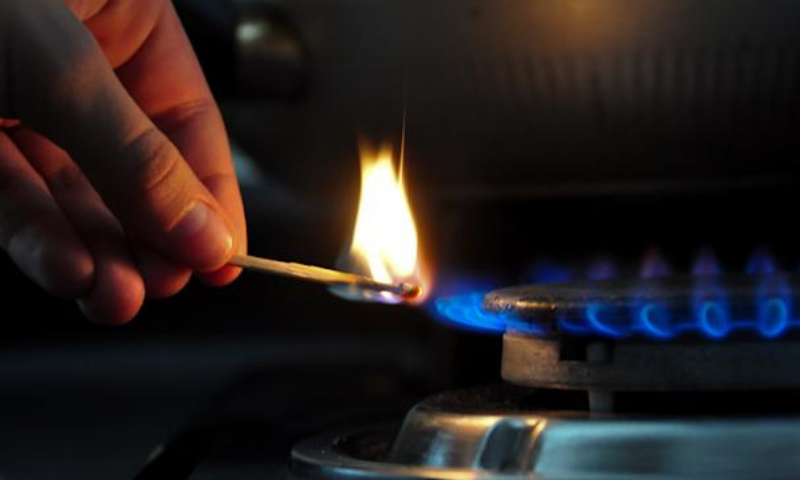
The gas loadshedding crisis in Pakistan has intensified sharply as consumers across multiple cities report prolonged outages and dangerously low pressure. Households struggle to cook meals, while daily routines face severe disruption due to inconsistent gas supply.
Read More: https://theboardroompk.com/pakistan-navy-missile-test-stuns-region-with-precision-strike-capability/
Citizens expressed frustration over the worsening situation. Many described their daily life as unbearable due to repeated interruptions in gas availability. Complaints have surged in recent days, reflecting a growing public outcry against the ongoing energy crisis.
Supply Shortfall Crosses Critical Level
According to sources, the supply gap faced by Sui Northern Gas Pipelines Limited has now exceeded 1,000 million cubic feet per day (MMCFD). This significant shortfall has directly contributed to widespread gas loadshedding across major urban and semi-urban areas.
Officials confirmed that the situation worsened after the suspension of liquefied natural gas imports. The disruption stems from escalating tensions and instability in the Middle East, which has affected global energy supply chains.
The halt in LNG shipments has placed additional pressure on Pakistan’s already strained gas distribution system. As a result, authorities have struggled to maintain consistent supply levels.
Major Cities Face Severe Disruptions
The impact of the gas loadshedding crisis has been particularly severe in Lahore, where residents face extreme difficulties in meeting basic household needs. Cooking meals has become a daily challenge, especially during peak hours.
Other cities have also reported worsening conditions. Areas such as Sheikhupura, Nankana Sahib, Sargodha, Okara, and Kasur continue to face prolonged gas outages.
Residents in densely populated neighborhoods are experiencing the worst conditions. Low pressure during peak cooking hours has made it nearly impossible for families to prepare meals on time.
Shiva Gas Field Closure Worsens Situation
The crisis has further deepened due to the closure of the Shiva Gas Field. This field typically contributes around 70 MMCFD of gas to the national system.
Its shutdown has removed a critical supply source at a time when demand remains high. Experts believe that even a temporary disruption in local production can significantly impact the overall gas balance in the country.
Combined with the LNG supply halt, the closure has created a double blow to the energy sector. Authorities now face mounting pressure to restore both domestic production and import flows.
Consumers Demand Immediate Action
Frustrated consumers have urged the government and relevant departments to take urgent steps to resolve the gas loadshedding crisis. Many believe that poor planning and lack of contingency measures have contributed to the current situation.
Citizens have called for transparent communication from authorities regarding supply schedules and expected improvements. They also demand long-term solutions to prevent recurring crises, especially during periods of high demand.
Public anger continues to grow as the situation shows little sign of immediate improvement. The lack of reliable gas supply has affected not only households but also small businesses that depend on it for daily operations.
Energy Crisis Linked to Global Tensions
Experts point to the broader geopolitical situation as a key factor behind the worsening crisis. The conflict in the Middle East has disrupted energy markets and supply routes, affecting countries that rely on imported LNG.
Pakistan’s dependence on external energy sources makes it vulnerable to such global shocks. The current gas loadshedding crisis highlights the need for diversification in energy resources and stronger domestic production capabilities.
Urgent Need for Sustainable Solutions
The ongoing crisis underscores the importance of long-term energy planning. Authorities must invest in alternative energy sources and improve infrastructure to ensure consistent supply.
Short-term measures may provide temporary relief. However, experts stress that structural reforms are essential to prevent similar crises in the future.
As winter demand patterns and global uncertainties continue to evolve, the government faces a critical challenge. Ensuring energy security remains vital for economic stability and public welfare.