
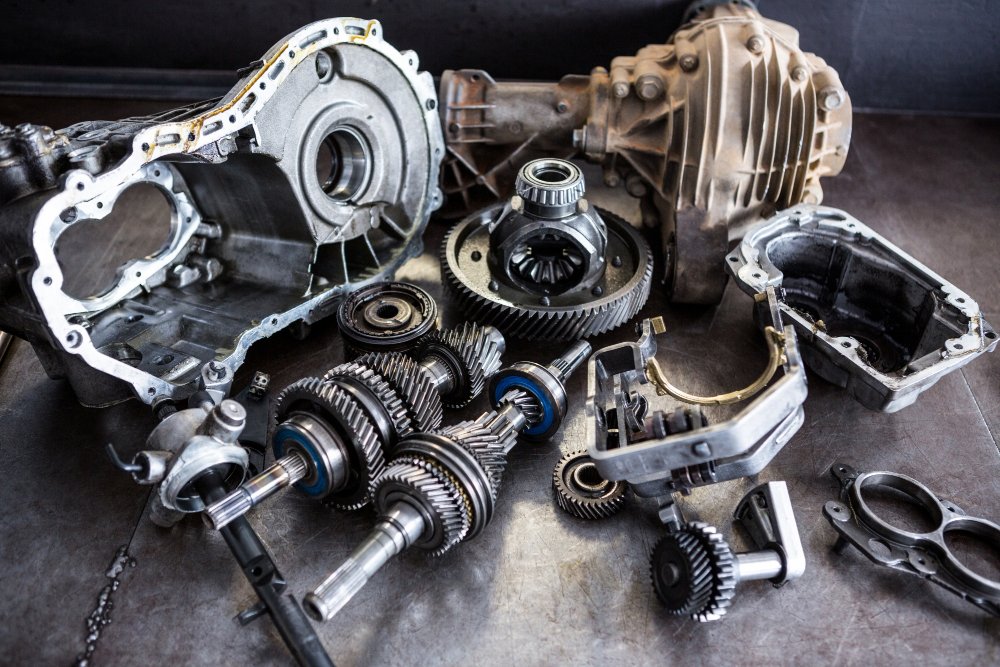
Pakistan Auto Policy 2026 is set to reshape the country’s automotive sector as the government intensifies efforts to promote local manufacturing and reduce reliance on imports. The initiative comes after a high-level meeting chaired by Special Assistant to the Prime Minister Haroon Akhtar Khan with auto parts manufacturers to discuss policy reforms aimed at strengthening the domestic automotive ecosystem.
The meeting, attended by Secretary Industries Saif Anjum, CEO of the Engineering Development Board Hammad Mansoor, and other stakeholders, focused on boosting localisation, improving competitiveness, and encouraging investment in emerging automotive technologies.
Pakistan Auto Policy 2026 Focuses on Localisation
A key objective of Pakistan Auto Policy 2026 is to increase the localisation of auto parts manufacturing. Officials emphasized that promoting domestic production will help reduce import bills, strengthen the supply chain, and support industrial growth.
Haroon Akhtar Khan reiterated that local production of automotive components remains central to government policy. He noted that expanding domestic manufacturing capacity would create jobs, encourage investment, and build resilience in the auto sector.
Secretary Saif Anjum informed participants that the ministry is compiling a comprehensive inventory of auto parts that can be produced locally. This inventory will guide industry stakeholders on opportunities for domestic manufacturing over the next five years.
Protection for Local Manufacturers Under Pakistan Auto Policy 2026
The government plans to provide policy protection to locally manufactured components to encourage industry growth and import substitution. This protection is expected to support domestic suppliers, improve economies of scale, and gradually reduce vehicle prices for consumers.
Rather than presenting figures in table format, officials explained that the policy roadmap includes gradual localisation targets, phased reduction in imports, and structured incentives for domestic manufacturers. These measures aim to build a competitive ecosystem that benefits both producers and buyers.
Electric Vehicle Components Get Special Attention
Pakistan Auto Policy 2026 also places strong emphasis on electric vehicle parts manufacturing. The government is considering special incentives to encourage investment in EV components, recognizing the global shift toward cleaner mobility.
Haroon Akhtar Khan urged local manufacturers to adopt electric vehicle technologies to remain competitive internationally. He highlighted that early adaptation would allow Pakistani companies to tap export markets and align with global automotive trends.
These EV-focused incentives are expected to include tax facilitation, technology support, and investment-friendly policies designed to attract both local and foreign investors.
Broad-Based Policy to Reduce Vehicle Prices
The upcoming auto policy is designed to strengthen Pakistan’s domestic automotive ecosystem while reducing vehicle prices through targeted interventions. Increased localisation is expected to lower production costs, minimize currency pressure, and stabilize supply chains.
Officials emphasized that reducing reliance on imported components can help make vehicles more affordable for Pakistani consumers. This approach also supports long-term industrial development.
Stakeholder Consultation Under Leadership of Shehbaz Sharif
The government confirmed that Pakistan Auto Policy 2026 will be developed through extensive consultations with all stakeholders. The aim is to create a practical, inclusive framework that supports industry growth and boosts export potential.
Haroon Akhtar Khan directed the Engineering Development Board to continue engaging with industry players to ensure effective implementation. According to a report by Associated Press of Pakistan, this collaborative approach is expected to produce a balanced and forward-looking automotive policy.
Pakistan Auto Policy 2026 Expected Impact
Pakistan Auto Policy 2026 is expected to deliver multiple benefits. Increased localisation will strengthen domestic manufacturing, EV incentives will promote technological advancement, and policy protection will help local suppliers scale operations. Over time, these steps may reduce vehicle prices and enhance export opportunities.
The initiative signals the government’s commitment to transforming Pakistan’s automotive sector into a competitive, innovation-driven industry capable of meeting domestic demand and entering global markets.