
DUBAI:
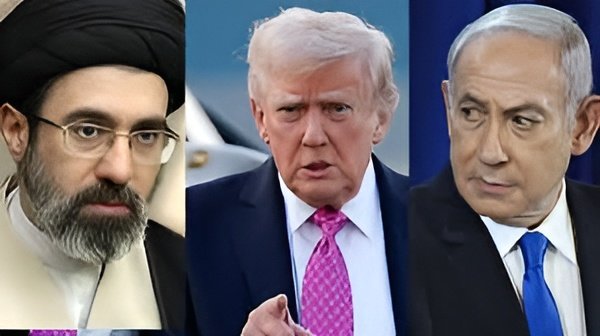
Iran has rejected a U.S. ceasefire proposal and refused to reopen the Strait of Hormuz, defying a deadline set by President Donald Trump and raising fears of a major escalation in the ongoing conflict.
Read More: https://theboardroompk.com/pakistan-condemns-iran-strikes-on-saudi-energy-sites/
The standoff comes as Washington warned of large-scale strikes on Iranian infrastructure if Tehran fails to comply, marking a critical turning point in the intensifying Middle East crisis.
Iran Rejects Temporary Ceasefire
Tehran has made it clear that it will not accept a temporary ceasefire, instead demanding a permanent end to hostilities, an immediate halt to U.S. and Israeli strikes, and compensation for damages.
Iran has also insisted on broader conditions, including the lifting of sanctions and guarantees against future attacks, signaling a hardline negotiating stance.
Officials further emphasised that control over the Strait of Hormuz remains central, with Iran seeking the right to regulate or impose transit conditions on ships passing through the strategic waterway.
The refusal has stalled diplomatic efforts, including mediation attempts involving regional players such as Pakistan.
US Threatens Escalation as Deadline Looms
President Trump has warned that failure to meet the deadline could result in “devastating” attacks on Iran’s civilian infrastructure, including power plants and transport networks.
The United States views reopening the Strait of Hormuz — a key global oil transit route — as essential to stabilising energy markets and global supply chains.
In response, Iran has warned it could retaliate by targeting infrastructure in Gulf countries allied with Washington, raising the risk of a broader regional conflict.
Markets and governments worldwide are closely watching developments, with oil prices and geopolitical tensions already rising sharply amid the uncertainty.