
India has taken a significant step toward energy independence after a domestically designed nuclear reactor achieved a controlled chain reaction. The development marks a major milestone in the country’s India Nuclear Fuel ambitions.
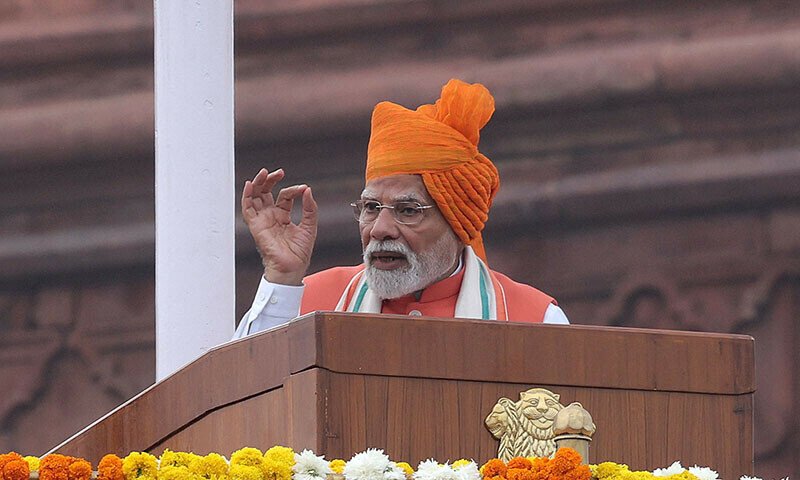
Prime Minister Narendra Modi confirmed that the Prototype Fast Breeder Reactor (PFBR) at Kalpakkam has reached “criticality.” This stage indicates that the reactor has initiated a self-sustaining nuclear chain reaction.
Reactor Criticality Marks Key Milestone
The attainment of criticality represents a crucial phase in nuclear reactor development. It confirms that the reactor can sustain nuclear reactions without external input.
However, the reactor is not yet supplying electricity to the national grid. Engineers will now proceed with further testing and calibration. Full power operations will follow in the next stages.
Officials described the achievement as a breakthrough for India’s nuclear programme. It demonstrates progress in advanced reactor technology and domestic engineering capabilities.
In a statement, Modi called the development a “defining step” in India’s civil nuclear journey. He emphasized that the reactor strengthens the country’s long-term energy strategy.
Fast Breeder Technology Expands Fuel Capacity
The PFBR uses advanced fast breeder technology. This type of reactor produces more fuel than it consumes. It converts non-fissile material into usable nuclear fuel during operation.
This capability is central to India’s India Nuclear Fuel strategy. It reduces reliance on imported uranium and supports long-term sustainability.
Modi highlighted the importance of the reactor in utilizing India’s vast thorium reserves. Thorium is considered a key future fuel for nuclear energy. India holds one of the largest thorium deposits in the world.
The PFBR is part of the second stage of India’s three-phase nuclear programme. This programme aims to maximize the use of domestic resources.
Ambitious Nuclear Expansion Plans
India has set ambitious targets for expanding nuclear power capacity. The country currently generates around eight gigawatts of nuclear energy.
Officials plan to increase this capacity to 100 gigawatts by 2047. This expansion is critical for meeting rising energy demand in the world’s most populous nation.
India is also the third-largest emitter of greenhouse gases. Expanding nuclear energy is seen as a way to reduce carbon emissions while ensuring energy security.
The government has pledged to achieve net-zero emissions by 2070. Nuclear power will play a key role in meeting this target.
Global Energy Uncertainty Adds Urgency
The reactor milestone comes at a time of global energy uncertainty. Ongoing tensions, including conflict in the Middle East, have disrupted energy supplies worldwide.
These disruptions have increased concerns about fuel security. Countries are now focusing on diversifying energy sources and reducing dependence on imports.
India remains heavily reliant on coal for power generation. However, officials are accelerating efforts to shift toward cleaner energy sources.
The development of domestic nuclear fuel capabilities is expected to strengthen resilience against global shocks.
Strategic Shift Toward Energy Independence
The success of the PFBR signals a broader shift in India’s energy policy. The country is investing in advanced technologies to secure long-term energy independence.
The India Nuclear Fuel initiative aims to create a self-sustaining fuel cycle. This approach will reduce external vulnerabilities and support economic growth.
Experts say the project also enhances India’s position in global nuclear technology. It demonstrates the country’s ability to develop complex systems independently.
As the reactor moves toward full operational capacity, attention will shift to its performance and safety standards.