
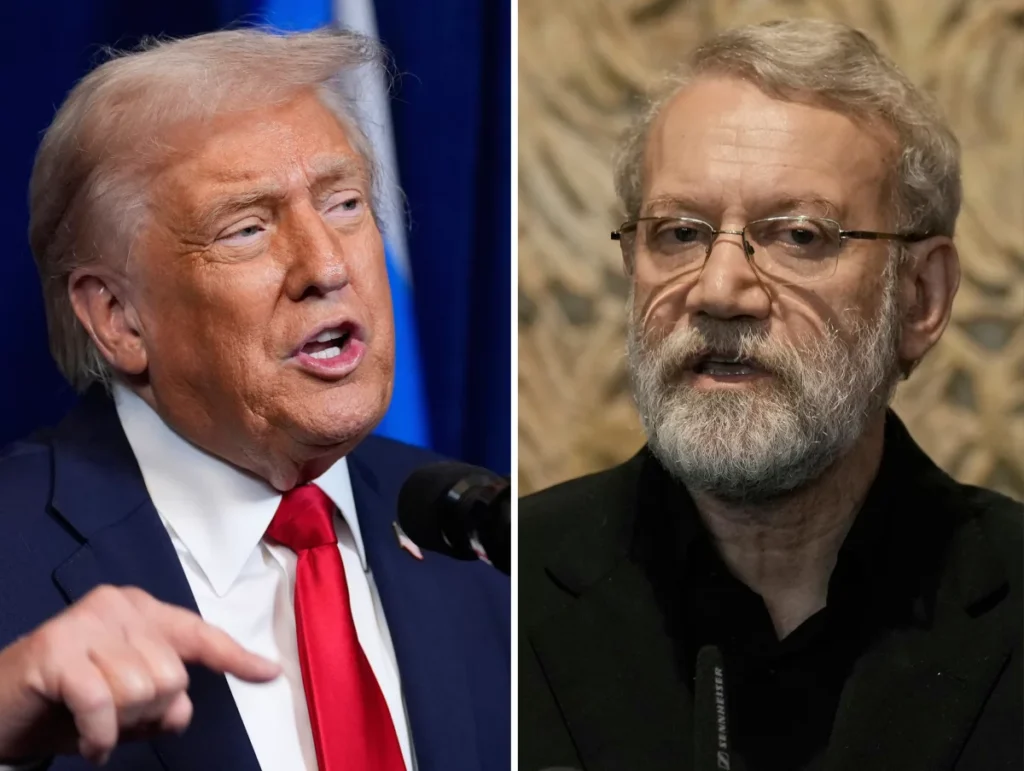
Trump Iran threats analysis has intensified after Donald Trump issued a controversial social media post threatening to strike Iranian infrastructure. The remarks, which included warnings about targeting power plants and bridges, have sparked strong reactions from global analysts, economists, and foreign policy experts. Many now fear that the rhetoric could escalate tensions into a broader regional crisis.
Read More: https://theboardroompk.com/iran-rejects-trump-deadline-on-hormuz-warns-of-retaliation/
Experts Call Threats Dangerous and Uncalculated
Leading analysts expressed deep concern over Trump’s language and tone. According to multiple policy experts, openly threatening civilian infrastructure crosses a dangerous line. Some warned that such actions could violate international law and trigger severe global backlash.
During a discussion led by Fareed Zakaria, experts emphasized that the threats lack strategic clarity. Richard Haass noted that aggressive rhetoric without a clear endgame increases the risk of miscalculation. He stressed that wars often spiral when leaders rely on pressure tactics instead of diplomacy.
Similarly, Zanny Minton Beddoes highlighted the unpredictability of the situation. She argued that inconsistent messaging from Washington creates confusion among allies and adversaries alike. According to her, unclear objectives weaken the credibility of US policy.
Analysts agreed that public threats of this nature rarely produce compliance. Instead, they often harden positions and escalate conflict.
Concerns Over Targeting Infrastructure
A major point of concern among analysts revolves around Trump’s explicit mention of infrastructure targets. Experts warned that attacking facilities like power plants and bridges could have devastating humanitarian consequences.
Legal analysts stressed that such actions may fall under war crimes if civilian harm is widespread. They argued that even threats alone could damage the US’s global standing and expose it to legal scrutiny.
Haass further explained that targeting infrastructure risks provoking retaliation from Iran. He warned that Tehran could respond asymmetrically, including disruptions in key shipping routes like the Strait of Hormuz.
Meanwhile, Beddoes emphasized that modern conflicts often extend beyond the battlefield. She pointed out that infrastructure attacks could cripple economies and deepen humanitarian crises.
Markets React with Volatility and Fear
Economic analysts also reacted strongly to Trump’s statements. Financial markets showed immediate signs of stress following the threats. Oil prices surged, while global stocks experienced volatility.
Experts noted that uncertainty drives market reactions more than actual conflict. Trump’s statements, which lacked a clear timeline or strategy, increased investor anxiety.
Market strategists described the situation as a “risk-off” environment. Investors shifted toward safer assets, anticipating prolonged instability. Analysts warned that continued escalation could lead to inflation, supply disruptions, and slower global growth.
Furthermore, the Strait of Hormuz remains a critical chokepoint for global oil supply. Any disruption could send shockwaves across international markets. Analysts believe that even the threat of closure keeps prices elevated.
Political and Strategic Fallout Intensifies
Beyond economic concerns, political analysts highlighted the broader implications of Trump’s approach. Several experts described the messaging as inconsistent and potentially counterproductive.
Some analysts argued that the threats reflect a pressure strategy aimed at forcing Iran into concessions. However, others believe the approach could backfire. They warned that Iran may interpret the rhetoric as justification for further resistance.
During the discussion, Fareed Zakaria noted that mixed messaging complicates diplomacy. He emphasized that allies may hesitate to support a strategy that appears unpredictable.
Meanwhile, critics in the US and abroad questioned the long-term objectives of the policy. Analysts pointed out that without a clear diplomatic pathway, escalation becomes more likely.
Political reactions have also been sharp. Some leaders described the comments as reckless and destabilizing.
Global Stakes Continue to Rise
Trump Iran threats analysis shows a growing consensus among experts. Most agree that the current trajectory increases risks across multiple fronts. From military escalation to economic disruption, the stakes remain high.