
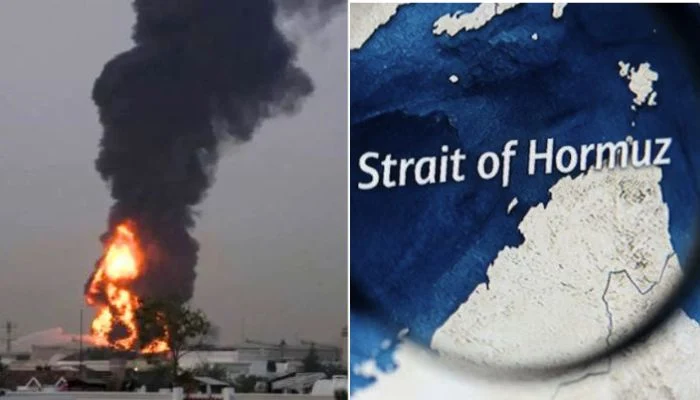
Iran has firmly dismissed the deadline issued by the US President Donald Trump regarding the strategic Strait of Hormuz. The development has intensified tensions in an already volatile region. Tehran has warned of strong retaliatory action if any aggression occurs. Officials in Iran have also condemned what they describe as provocative and dangerous rhetoric coming from Washington.
Read More: https://theboardroompk.com/drone-soccer-becoming-a-new-game-in-chinas-tech-driven-sports/
The response came after Trump set a Tuesday deadline linked to security concerns in the Strait of Hormuz. The waterway remains one of the world’s most critical oil transit routes. Iran’s leadership has made it clear that it will not bow to external pressure. Instead, it has signaled readiness to defend its sovereignty.
Zarif Condemns Trump’s Threats
Former Iranian Foreign Minister Javad Zarif strongly criticized Trump’s ultimatum. He described it as a “vulgar outburst” and warned of serious consequences. Zarif took to social media to express his concerns. He stated that Iran would defend itself against any form of aggression.
Zarif also referred to what he called a “war crime” involving the killing of 170 schoolchildren in Minab. He alleged that such actions marked the beginning of escalating hostilities. According to him, Trump’s recent statements only worsened the situation. He further warned that any country supporting such actions could face international legal consequences.
His remarks have drawn significant attention globally. Analysts say his statements reflect growing frustration within Iran’s political establishment. At the same time, they underline Tehran’s stance against foreign threats.
Strategic Importance of Strait of Hormuz
The Strait of Hormuz plays a crucial role in global energy supply. Nearly one-fifth of the world’s oil passes through this narrow passage. Any disruption in this area can trigger a global economic shock. This is why tensions around Hormuz often attract international concern.
Iran has repeatedly warned that it could restrict access to the strait if provoked. Such a move would have far-reaching consequences. It could disrupt oil markets and increase global fuel prices. In recent years, several incidents in the region have already raised fears of conflict.
Experts believe that Trump’s deadline has added fuel to the fire. It has increased the risk of miscalculation between the two sides. Diplomatic efforts now face significant challenges as both nations harden their positions.
Internal Pressure and Diplomatic Challenges
Zarif’s comments also come at a time when he faces pressure at home. Reports suggest that Iranian authorities reprimanded him recently. This followed an article he wrote in Foreign Affairs. In that piece, he outlined a roadmap to end ongoing tensions and conflicts.
Some officials in Iran viewed his article as controversial. They believed it did not fully align with the government’s current stance. However, Zarif has long been known for advocating diplomacy. He played a key role in negotiating the historic Iran nuclear deal.
Despite criticism, his latest statements show a shift toward a stronger tone. Observers say this reflects the changing political climate. Iran now appears less willing to engage in dialogue under pressure.
Rising Tensions and Global Concerns
The situation has raised alarm among international observers. Many fear that escalating rhetoric could lead to direct confrontation. The Middle East has already witnessed multiple flashpoints in recent months. Any new conflict could further destabilize the region.
Global powers are closely monitoring the developments. They have called for restraint from both sides. However, the chances of immediate de-escalation appear slim. Iran’s warning of retaliation signals that it is prepared for worst-case scenarios.
Meanwhile, energy markets remain sensitive to any news from the region. Traders and analysts are watching developments closely. Even minor incidents in the Strait of Hormuz can trigger price fluctuations.