
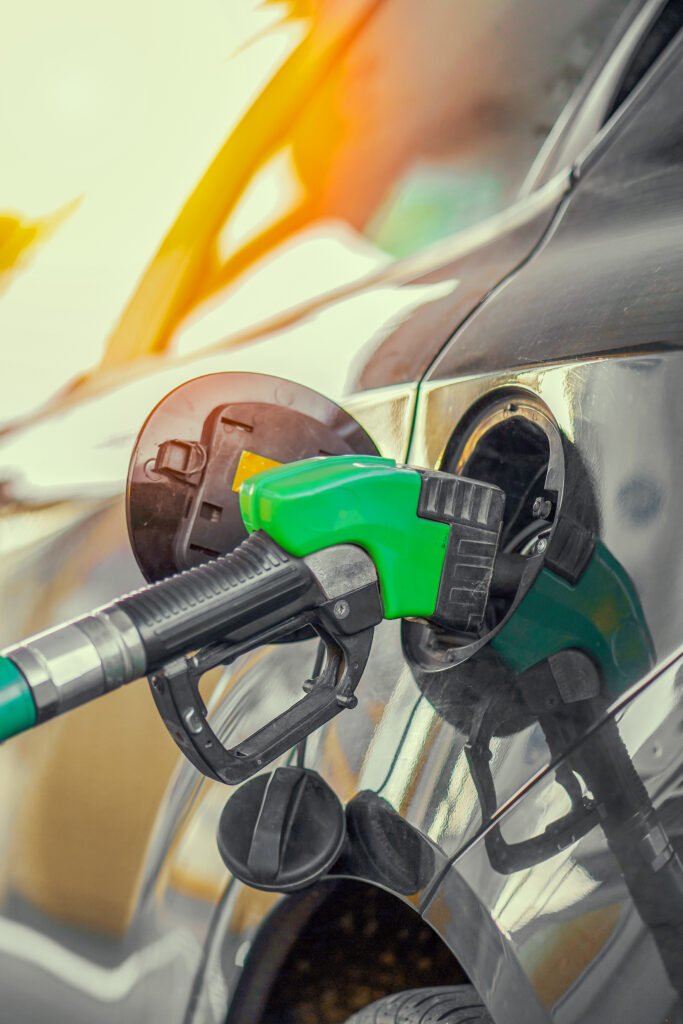
Pakistan Fuel Price Relief measures have taken center stage as the government allocates Rs125 billion to prevent an increase in petroleum prices. The move aims to protect consumers from rising global oil costs and growing regional tensions, while ensuring economic stability and uninterrupted energy supply across Pakistan.
The decision reflects a broader strategy that combines fuel conservation, fiscal discipline, and targeted subsidies for vulnerable segments of society. Authorities believe these steps will help maintain market confidence and avoid inflationary pressure triggered by higher fuel costs.
Government Prioritizes Public Relief Over Fiscal Pressure
Under the Pakistan Fuel Price Relief plan, the government has chosen to absorb the financial burden instead of passing it on to consumers. Officials confirmed that the Rs125 billion allocation will be managed through budgetary savings and cuts in certain development expenditures.
This approach is designed to minimize the impact on household budgets and transport costs. By controlling fuel prices, the government aims to stabilize food prices, logistics expenses, and industrial operating costs. These measures are especially important for low- and middle-income families already dealing with economic challenges.
Adequate Fuel Stocks and Import Arrangements Secured
Authorities have reassured the public that the country holds sufficient petroleum reserves to meet domestic demand. Additional import arrangements for April have also been finalized, ensuring supply continuity.
These proactive steps have helped Pakistan avoid fuel shortages, long queues, and distribution disruptions. Several countries facing similar global price pressures have experienced supply challenges, but Pakistan’s coordinated planning has prevented such scenarios.
Digital Dashboard Introduced for Fuel Monitoring
As part of modernization efforts, a digital dashboard has been launched to monitor petroleum demand, supply, and distribution in real time. This system will improve coordination between federal and provincial authorities, refineries, and oil marketing companies.
The dashboard enhances transparency and allows policymakers to quickly respond to fluctuations in demand or supply constraints. Officials believe digital monitoring will play a critical role in maintaining fuel availability nationwide.
Targeted Subsidy for Motorcycle and Rickshaw Drivers
A key component of the Pakistan Fuel Price Relief strategy is targeted support for motorcycle riders and rickshaw drivers. These groups rely heavily on fuel for daily income, and price increases can directly impact their livelihoods.
To facilitate subsidy distribution, the government is developing a dedicated mobile application. The app will enable efficient delivery of financial support to eligible beneficiaries. Provincial governments have also been instructed to assist vehicle owners in registering motorcycles and rickshaws in their own names. This step will digitize ownership records and improve future subsidy programs.
Public Urged to Support Fuel Conservation
The government has called on citizens and businesses to contribute to fuel-saving efforts. Recommendations include reducing unnecessary travel, promoting carpooling, and adopting teleconferencing in workplaces.
These conservation practices are expected to reduce overall fuel consumption and help sustain the relief initiative for a longer period.
High-Level Meeting Reviews Economic Measures
The Pakistan Fuel Price Relief plan was reviewed during a high-level meeting chaired by Prime Minister Shehbaz Sharif. Senior officials, including Deputy Prime Minister Ishaq Dar, along with key federal ministers, attended the session.
The leadership emphasized coordinated action to maintain energy security, protect consumers, and ensure economic stability amid global uncertainties.
The Pakistan Fuel Price Relief initiative demonstrates the government’s attempt to balance fiscal constraints with public welfare. By allocating Rs125 billion, ensuring fuel availability, and introducing targeted subsidies, authorities aim to shield citizens from rising oil prices. Continued monitoring, digital reforms, and public cooperation will determine the long-term success of these measures.