
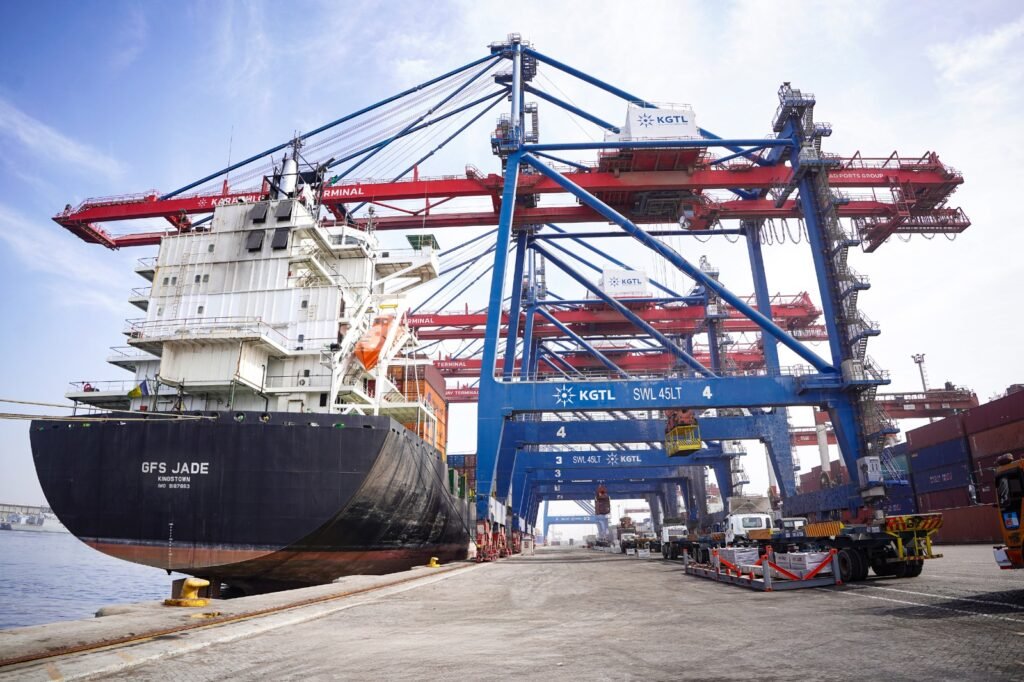
Pakistan Transshipment Hub is rapidly becoming a reality as record-breaking cargo volumes at key ports highlight a major shift in the country’s economic trajectory. A surge in transshipment activities at Karachi Port, Port Qasim, and Gwadar Port indicates that Pakistan is increasingly positioning itself as a strategic gateway for regional and global trade.
Read More: https://theboardroompk.com/pakistan-secures-1-21bn-after-reaching-staff-level-agreement-with-imf/
Within just 24 days, Karachi Port handled an unprecedented volume of transshipment cargo, nearly matching the entire volume recorded during the previous year. This remarkable milestone reflects both shifting global supply chains and proactive policy measures designed to attract international shipping lines.
Why Pakistan Transshipment Hub Is Gaining Global Attention
Economic experts Nasir Hussain Shah Bukhari and Abid Qayyum Suleri attribute this surge to a combination of policy flexibility and geopolitical advantages. They noted that easing international transshipment regulations and allowing cargo blending at sea and air ports have significantly improved Pakistan’s attractiveness for global logistics operators.
Pakistan’s geographic position is emerging as its strongest competitive edge. Located between the Gulf region, China, and Central Asia, the country serves as a natural corridor for shipping routes. As global trade patterns evolve, shipping companies are increasingly using Pakistani ports to optimize transit times and reduce operational costs.
Policy Reforms Strengthening Pakistan Transshipment Hub
Government initiatives have played a pivotal role in supporting this growth. Relaxed cargo handling rules, improved port efficiency, and streamlined operational procedures are helping Pakistan compete with established transshipment centers in the region.
Experts emphasize that continued momentum will depend on addressing structural challenges. Rail freight connectivity remains limited, which increases logistics costs and slows inland cargo movement. Enhancing rail infrastructure would significantly improve supply chain efficiency and strengthen Pakistan’s position as a regional logistics hub.
Additionally, accelerating digital customs processes can reduce clearance times and enhance transparency. Modern regulatory frameworks and automation systems are critical for sustaining long-term growth in transshipment activities.
Infrastructure Development Key to Long-Term Growth
The Pakistan Transshipment Hub strategy also relies on broader logistics infrastructure development. Special Economic Zones (SEZs), modern warehousing facilities, and cold chain networks are becoming increasingly important for handling diverse cargo types.
Improved storage and distribution systems would allow Pakistan not only to handle transshipment cargo but also to become a value-added logistics center. This transition could generate employment, boost exports, and attract foreign direct investment.
Karachi Today, Gwadar Tomorrow
While Karachi currently serves as the backbone of Pakistan’s maritime trade, Gwadar is widely viewed as the future cornerstone of the country’s logistics strategy. Integration of Gwadar into the transshipment network could unlock new shipping routes and enhance connectivity with regional markets.
Experts believe Gwadar’s development will contribute to foreign exchange earnings and improve economic stability. As port infrastructure expands, Pakistan’s role in international trade corridors is expected to deepen further.
Pakistan’s Rising Global Trade Image
The increase in port activity is also reshaping global perceptions. Growing cargo volumes signal improved security, better infrastructure, and stronger regulatory frameworks. This positive image enhances investor confidence and encourages multinational companies to explore Pakistan as a logistics base.
With shipping routes evolving and regional trade demand increasing, Pakistan appears well-positioned to transform its geographic advantage into a strategic economic asset. The shift from geography as destiny to geography as strategy is becoming visible through the country’s expanding transshipment footprint.