
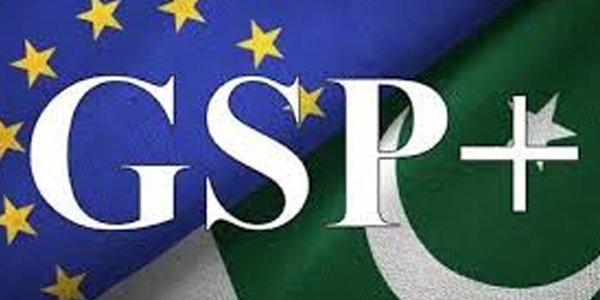
The debate around Pakistan GSP+ Status has intensified after strong remarks from the President of the Korangi Association of Trade and Industry, Muhammad Ikram Rajput, who warned that lobbying against the country’s preferential trade facility is equivalent to an attack on the national economy.
Read More: https://theboardroompk.com/pakistan-finalises-app-based-fuel-quota-for-motorcycles-and-rickshaws/
Speaking in Karachi, Rajput criticized attempts to influence international stakeholders to revoke Pakistan’s trade benefits, calling such actions “irresponsible and harmful” at a time when the country is still recovering economically. He emphasized that the Pakistan GSP+ Status granted by the European Union is crucial for maintaining export momentum, industrial growth, and employment stability.
Why Pakistan GSP+ Status Matters for Exports
Rajput described the Pakistan GSP+ Status as the backbone of the country’s export sector. The facility allows Pakistan to export a wide range of goods to European markets at reduced or zero tariffs, making Pakistani products more competitive globally.
He stressed that the textile sector the country’s largest export industry is particularly dependent on this trade advantage. Millions of workers in manufacturing, logistics, and related services rely on consistent export demand fueled by preferential access to European markets.
According to Rajput, any disruption to the Pakistan GSP+ Status would weaken export performance, reduce foreign exchange earnings, and negatively impact industrial activity.
Political Lobbying Could Risk Millions of Jobs
The KATI president warned that using political motives to target Pakistan’s economic interests could endanger livelihoods across the country. He stated that millions of jobs are directly and indirectly tied to export industries benefiting from the Pakistan GSP+ Status.
He added that encouraging external actors to impose economic pressure or withdraw trade concessions undermines Pakistan’s credibility internationally and sends negative signals to investors.
“Political differences should never translate into economic harm,” Rajput said, stressing that the business community considers such lobbying efforts as economic sabotage.
Business Community Calls for Protection of Pakistan GSP+ Status
Rajput made it clear that exporters and industrialists across Pakistan would strongly resist any move that threatens the Pakistan GSP+ Status. He described the trade facility as an economic lifeline and urged stakeholders to avoid actions that could damage national interests.
He further emphasized that internationalizing domestic disputes at the cost of economic stability is a dangerous trend. According to him, Pakistan’s industrial base and workforce depend heavily on continued access to European markets.
The KATI leadership also called on policymakers to take proactive steps to safeguard the country’s trade advantages and maintain investor confidence.
Government Urged to Defend Trade Interests
Highlighting the urgency of the situation, Rajput urged the government to actively defend the Pakistan GSP+ Status at all diplomatic and economic forums. He warned that any move to revoke the facility would have long-term consequences for Pakistan’s exports, employment, and industrial growth.
He termed such lobbying attempts as crossing a “red line,” stating that the business community will not tolerate actions that jeopardize Pakistan’s economic future.
Economic Stability Linked to Pakistan GSP+ Status
With global economic uncertainty and geopolitical tensions already affecting trade flows, Rajput stressed that Pakistan cannot afford additional challenges. He reiterated that maintaining the Pakistan GSP+ Status is essential for sustaining export growth, strengthening foreign exchange reserves, and supporting economic recovery.
The message from the business community is clear: safeguarding trade concessions is not just about exports it is about protecting jobs, industries, and Pakistan’s overall economic stability.