
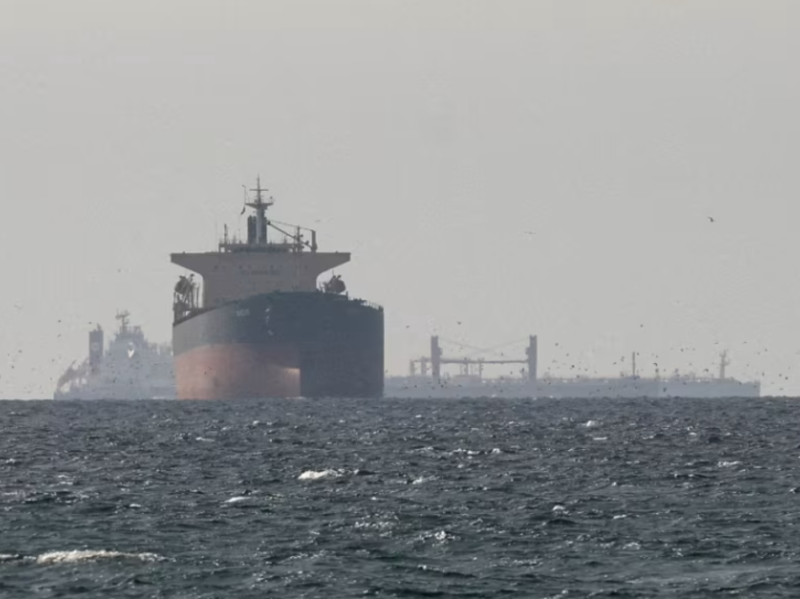
The recent US decision to grant a 30-day waiver allowing the sale of Iranian oil already loaded on vessels at sea presents a timely opportunity for Pakistan amid surging global oil prices due to the ongoing US-Israeli conflict with Iran.
This temporary relief, announced on March 21, 2026, aims to release around 140 million barrels into markets, potentially easing supply pressures and stabilizing prices that have exceeded $100 per barrel.
Pakistan, heavily reliant on imported oil and facing skyrocketing import bills from the war, stands to gain significantly if it can access discounted or nearby Iranian crude during this window.
Economic Relief for Pakistan’s Struggling Economy
Pakistan’s monthly oil import costs have surged, with warnings of bills reaching up to $600 million amid tight markets and disrupted routes like the Strait of Hormuz.
Access to Iranian oil could lower these expenses, as Iran has historically offered competitive pricing to regional buyers despite sanctions.
Cheaper fuel imports would reduce pressure on foreign exchange reserves and help curb inflation, which has intensified from higher energy costs. This could provide breathing room for the government, already implementing fuel conservation and seeking IMF support.
Reviving Long-Standing Energy Ties with Iran
Pakistan and Iran share a border and history of energy cooperation, including past discussions on oil imports and the stalled Iran-Pakistan gas pipeline.
The waiver facilitates ship-to-ship transfers and sales, making it easier for Pakistan to source Iranian crude without full sanctions violations.
Proximity reduces shipping times and costs compared to distant suppliers like the Middle East or US.
If capitalized on, this could strengthen bilateral ties and open doors for future stable energy deals post-waiver.