
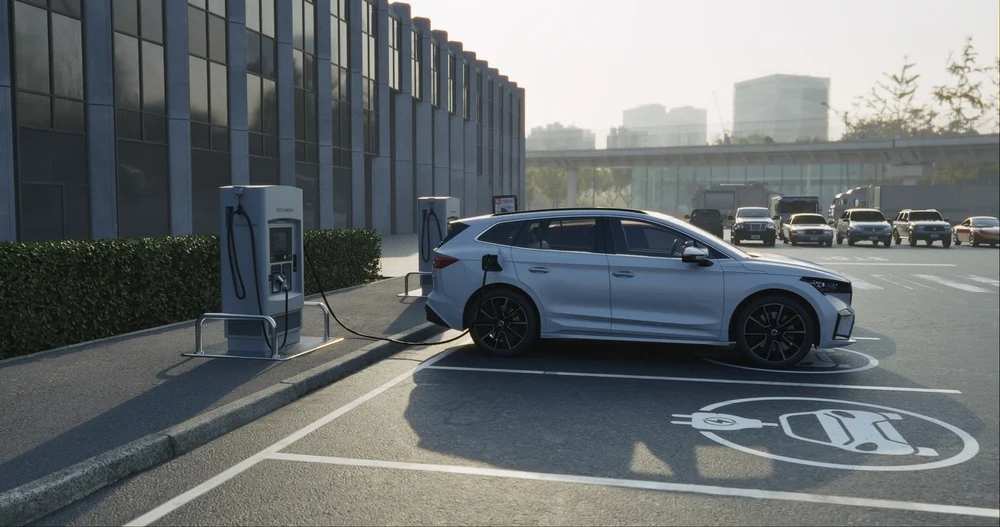
The sudden spike in fuel prices following the Iran war is reshaping the global automobile market in unexpected ways. From Europe to the United States and Asia, Rising Fuel Prices EV Demand has emerged as one of the biggest business and consumer trends of 2026.
For many car owners, the cost of filling up their petrol tanks has become a growing concern. But for electric-vehicle (EV) dealers and manufacturers, the crisis is opening up new opportunities.
Fuel Shock Sparks Curiosity About Electric Cars
The geopolitical tensions and disruption in oil shipping routes have triggered a sharp rise in gasoline prices worldwide. With nearly one-fifth of global oil supply passing through strategic sea lanes affected by the conflict, uncertainty in energy markets has increased significantly.
In Britain and the European Union, average fuel prices climbed between 7% and 8% within weeks of the conflict. In the United States, gasoline prices jumped by more than a quarter, approaching levels that historically pushed consumers to rethink their car choices.
This sudden rise is fueling public curiosity about EVs. Used electric-car dealers in Europe are reporting record sales days, while some are rushing to buy more inventory as customers seek protection from future petrol price hikes.
Why Rising Fuel Prices EV Demand Matters for Consumers
Historically, oil price shocks have changed consumer behaviour. During the energy crisis of the 1970s, buyers shifted toward smaller, fuel-efficient vehicles. Today, analysts believe a similar transformation could occur this time favouring electric mobility.
However, industry experts say the shift may not happen overnight. Car buyers often wait until fuel prices cross a psychological “pain threshold” before making major decisions. For many markets, that tipping point is believed to be around $4 per gallon in fuel costs.
Still, some proactive consumers are already acting. Families in major urban areas are trading in large petrol SUVs for smaller EVs to reduce monthly running costs. Their strategy is simple: switch before demand spikes further and prices of electric cars rise.
Europe Leading the Shift Towards EV Adoption
Europe appears particularly ready for the transition. Nearly one-fifth of cars sold there last year were fully electric, reflecting strong policy support and growing environmental awareness.
Recent market surveys suggest that rising fuel prices are influencing purchasing decisions more directly in the region. In Germany, online car dealers have reported a significant jump in website traffic related to EV searches. Almost half of surveyed consumers said expensive petrol would encourage them to consider electric or hybrid vehicles.
Governments are also reintroducing tax incentives for EV buyers, which could accelerate the Rising Fuel Prices EV Demand trend even further.
Mixed Signals in the United States Auto Market
In contrast, the American market is showing slower momentum toward electric mobility. EV sales still represent a relatively small portion of new-car purchases, and recent policy changes reducing purchase incentives have cooled growth.
Experts suggest that a widespread shift in consumer behaviour may only occur if fuel prices rise dramatically potentially reaching levels as high as $6 per gallon.
Higher fuel costs may also have a negative side effect: reduced overall vehicle sales. Economic uncertainty, inflation fears and trade-related concerns are already making many buyers hesitant about large purchases.
Automakers Turn Crisis Into Marketing Opportunity
Interestingly, some electric-vehicle manufacturers are using the fuel price surge as a marketing advantage. Discount campaigns targeting customers switching from petrol cars are becoming more common, particularly in emerging markets where fuel prices have risen sharply.
This strategic push highlights a broader business reality energy volatility is now directly influencing automotive innovation, sales tactics and consumer awareness.
What This Means for Pakistan’s Future Mobility
For Pakistan, where petrol prices are closely tied to global oil trends, the global Rising Fuel Prices EV Demand phenomenon could signal future changes in the local auto market.
If fuel costs continue to rise, interest in hybrid and electric vehicles may grow among urban consumers seeking long-term savings. While EV infrastructure is still developing, the global shift suggests that cleaner mobility solutions could soon become a mainstream conversation in Pakistan as well.
A Turning Point for the Auto Industry
The Iran war-driven fuel shock may prove to be more than a temporary disruption. It is gradually reshaping consumer priorities, dealership strategies and government policies worldwide.
Whether this leads to a lasting transformation toward electric mobility depends on how long fuel prices remain elevated. But one thing is certain Rising Fuel Prices EV Demand is now a powerful force influencing the future of transportation.