
Pakistan is ramping up domestic power production to counter the biting effects of Asian LNG shortages.
Read More: https://theboardroompk.com/israel-claims-killing-irans-security-chief-ali-larijani/
The shortages stem from war-related disruptions in the Middle East.
Shipments through the Strait of Hormuz have nearly halted. Qatar, a major exporter, has stopped LNG deliveries. This has caused spot LNG prices in Asia to double to three-year highs.
It marks the second major supply shock in four years.
The first came after Russia’s 2022 invasion of Ukraine. Pakistan aims to avoid repeating past outages from LNG volatility.Power Minister Awais Leghari emphasized this shift.
He noted that domestic sources now cushion the risks.
Domestic Shift Gains Momentum
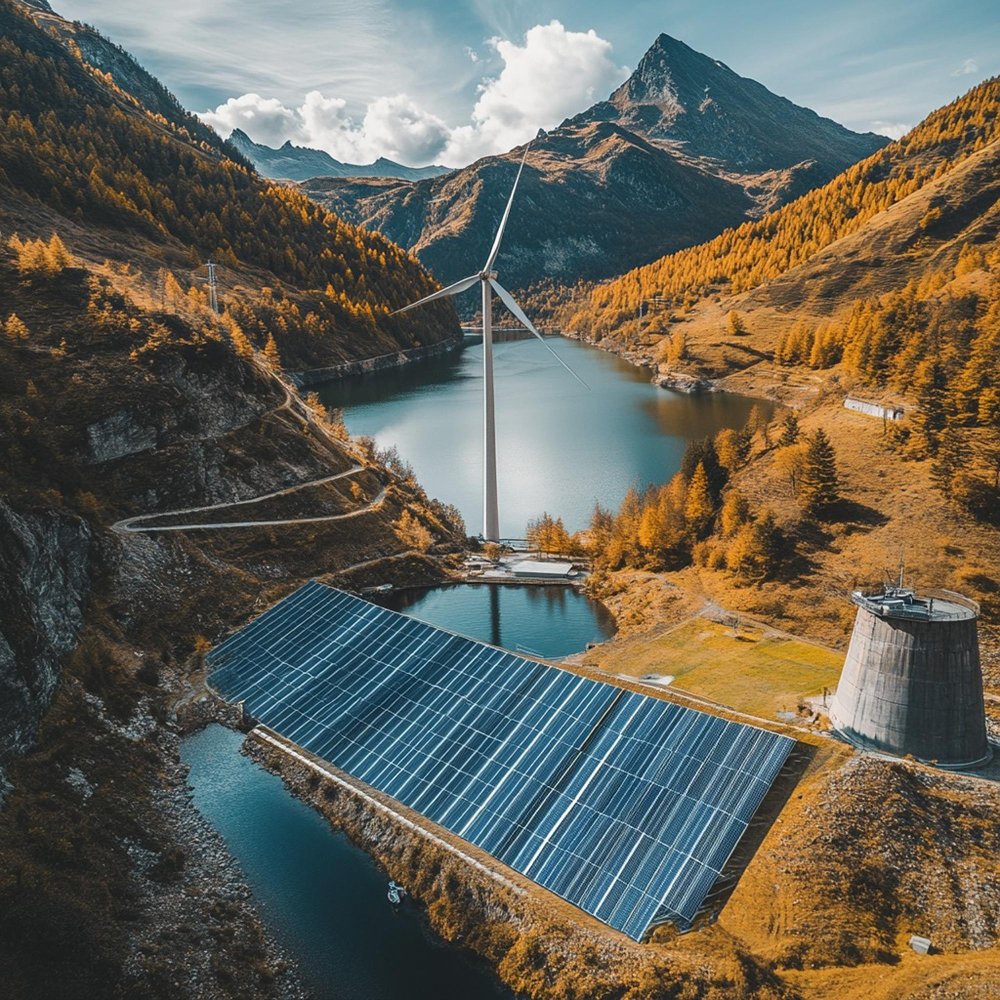
About 74% of Pakistan’s electricity comes from local resources. These include solar, wind, nuclear, coal, and hydropower. The goal is to reach even higher self-reliance.
Solar additions have played a key role.
They helped prevent widespread blackouts in recent crises.Local coal plants will ramp up during off-peak hours. This replaces reduced LNG-based generation. LNG now forms only about 10% of the power mix.
It mainly handles peak evening demand and grid stability.
Regional Impacts and Lessons
Asia faces demand destruction from high prices.
Many countries are switching back to coal. Bangladesh, Philippines, and Vietnam are increasing coal use. South Korea lifted coal output limits. Japan maintains high coal utilization.
Poorer nations struggle to pass on costs. This threatens economic backbones. South Asia risks $107 billion in delayed LNG projects. Pakistan has canceled cargoes for 2026-2027. This reflects lower demand and more domestic supply.
Experts see renewables gaining from these shocks. High import costs refute reliance on foreign fossil fuels. Pakistan’s strategy focuses on indigenous growth. It includes boosting local coal mining. Solar expansion continues rapidly.
This builds resilience against global volatility. The country avoids heavy exposure to LNG price spikes.Future plans prioritize domestic over imports.This approach stabilizes supply and costs. It supports long-term energy security.