
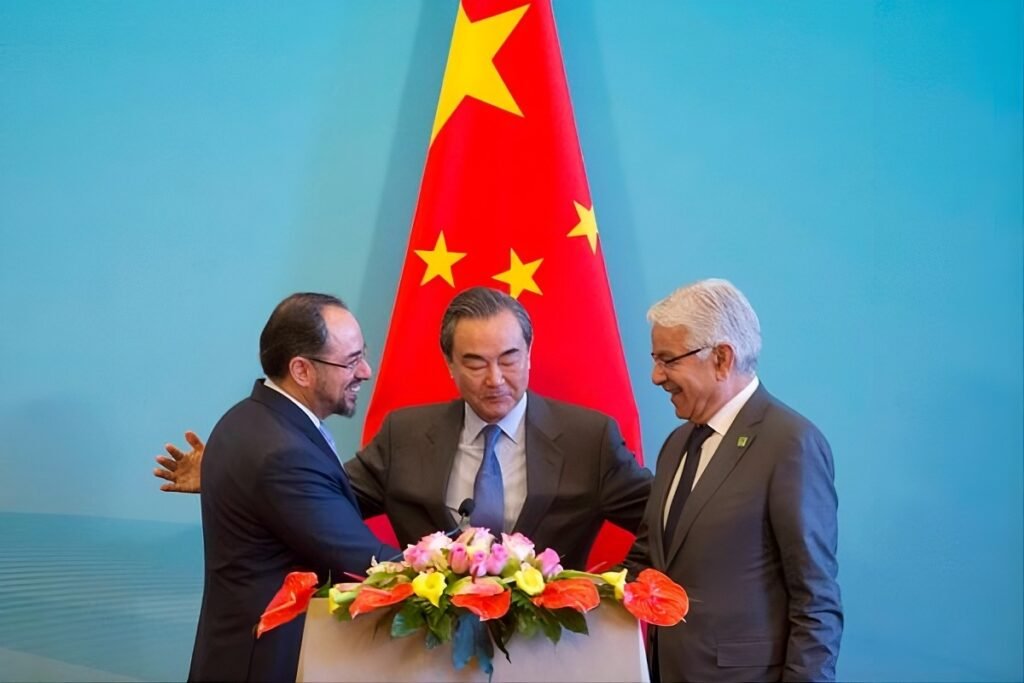
China’s diplomatic intervention has significantly reduced intense border clashes between Pakistan and Afghanistan. This marks the most severe fighting since the Taliban regained control in 2021. Escalation began with Pakistani airstrikes on February 26, 2026, targeting alleged militant hideouts in Afghanistan.
Chinese efforts, including a direct message from President Xi Jinping urging de-escalation, played a key role. Beijing’s special envoy shuttled between the two capitals, while embassies maintained ongoing contacts.
Fighting has now tapered, with no recent Pakistani airstrikes reported and reduced ground engagements along the 2,600-km Durand Line border. Daily minor clashes persist, but the overall intensity has dropped markedly.
China’s Active Diplomatic Role in De-escalation
China positioned itself as a neutral mediator, leveraging strong ties with Pakistan (via the Belt and Road Initiative investments exceeding $65 billion) and growing economic interests in Afghanistan’s minerals. A late February meeting saw China’s ambassador to Pakistan, Jiang Zaidong, deliver Xi’s message to Prime Minister Shehbaz Sharif, calling for an end to hostilities.
China’s Foreign Ministry confirmed shuttle diplomacy by Special Envoy Yue Xiaoyong and communications through embassies in Islamabad and Kabul. Foreign Minister Wang Yi spoke with Pakistan’s Deputy Prime Minister and Foreign Minister Ishaq Dar on March 11, 2026, emphasizing restraint.
Meetings in Kabul involved China’s ambassador Zhao Xing and the envoy with Afghanistan’s acting Foreign Minister Amir Khan Muttaqi. Beijing stressed the urgency of preventing escalation and returning to talks, stating it would continue constructive efforts.
This mediation fills a gap left by previous Gulf mediators (Qatar, Saudi Arabia, Turkey), now preoccupied with Middle East conflicts.
Border Tensions and Path to Stability
Pakistan accuses the Taliban of sheltering militants launching attacks inside Pakistan, prompting military operations to secure the border. Afghanistan denies safe havens, viewing militancy as Pakistan’s internal issue, and both sides have claimed heavy casualties without independent verification.
The Durand Line remains disputed, fueling long-standing friction exacerbated since 2021. China’s involvement highlights its strategic stake in regional stability to protect investments and counter security threats.
While clashes have eased, full resolution requires sustained dialogue. No formal negotiations are confirmed yet, but the lull offers a window for de-escalation. Pakistan’s military insists operations continue until objectives are met, signaling caution amid the fragile calm.
This development underscores China’s rising influence in South and Central Asian diplomacy.