
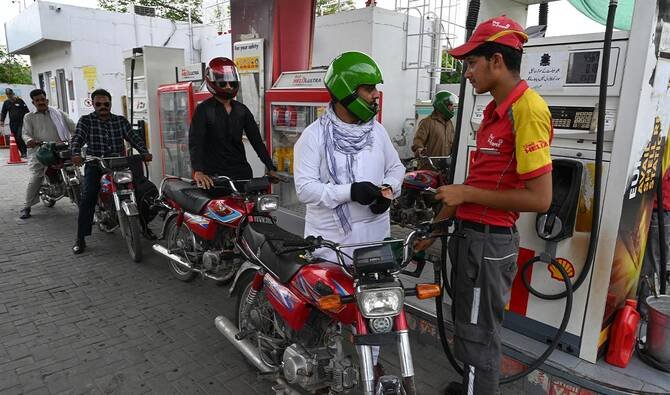
Fuel Crisis in Pakistan is rapidly becoming the country’s most pressing economic concern as rising global oil prices triggered by escalating tensions in the Middle East begin to impact domestic markets. With petrol and diesel prices already jumping by Rs55 per litre, the highest single increase in the country’s history, the government is preparing an austerity strategy aimed at conserving fuel and stabilizing the economy.
Read More: https://theboardroompk.com/brent-tops-108-as-iran-conflict-disrupts-global-supply-routes/
Prime Minister Shehbaz Sharif is expected to unveil the plan today as Pakistan grapples with the financial fallout of the US-Israel conflict with Iran and attacks on Gulf oil facilities, which have sent shockwaves through global energy markets.
The crisis has forced policymakers to confront a difficult reality: Pakistan’s heavy reliance on imported fuel makes it vulnerable to geopolitical disruptions.
Fuel Crisis in Pakistan: Government Moves Toward Austerity
During a high-level meeting in Islamabad, the prime minister emphasized the “sensible use” of petroleum products and urged every segment of society to share the burden of austerity.
The proposed measures aim to reduce fuel consumption while ensuring that essential sectors continue to function. Officials have also discussed contingency plans such as remote work and distance learning should the crisis intensify.
The government’s message is clear: fuel conservation will be essential to weather the ongoing energy shock.
According to officials, the prime minister has asked ministers and government departments to lead by example by adopting cost-saving and fuel-efficient practices.
Fuel Supply Situation: Shipments Arriving in Pakistan
Despite the global turmoil, authorities insist that fuel reserves remain adequate for now. Petroleum Minister Ali Pervaiz Malik revealed that three petroleum shipments are expected to arrive in Pakistan, helping stabilize short-term supply.
At the same time, the government is preparing for potential disruptions in global supply routes. Diplomatic outreach has already begun with Saudi Arabia, Oman, and the United Arab Emirates to secure alternative fuel supplies if the crisis escalates.
Officials are also exploring new supply routes that bypass the Strait of Hormuz, a critical oil transit chokepoint that could be affected by regional tensions.
However, the situation is complicated by potential liquefied natural gas (LNG) supply disruptions, as Qatar has reportedly declared force majeure due to the conflict.
Economic Impact of the Fuel Crisis in Pakistan
The financial implications of the crisis could be severe. Finance Minister Muhammad Aurangzeb warned that Pakistan’s monthly oil import bill could climb to nearly $600 million if current price trends continue.
To understand the scale of the challenge, the potential economic impact can be explained through key indicators:
• Oil import costs: Rising international prices could push Pakistan’s monthly import bill to around $600 million, placing additional pressure on foreign exchange reserves.
• Global crude oil prices: If the Middle East conflict intensifies further, crude prices could surge to $120 per barrel, increasing fuel costs domestically.
• Fiscal pressure: Higher fuel imports could widen Pakistan’s trade deficit and increase pressure on government subsidies and fiscal policy.
Officials are also considering approaching the International Monetary Fund (IMF) for relief related to petroleum levies in order to ease the burden on consumers.
Fuel Conservation Measures and Monitoring System
To prevent panic buying and hoarding, federal and provincial authorities have agreed to enhance coordination.
A centralized digital dashboard is being developed to monitor fuel reserves and consumption patterns across the country. This system will help authorities detect supply disruptions early and prevent manipulation in the market.
Provincial governments have also been directed to closely monitor petrol pumps and crack down on illegal price hikes.
Agriculture Sector a Priority During Fuel Crisis
In Punjab, Chief Minister Maryam Nawaz emphasized that diesel supply must remain uninterrupted for farmers, especially during the agricultural season.
Agriculture plays a crucial role in Pakistan’s economy, and any diesel shortage could disrupt crop harvesting, irrigation, and transportation of food supplies.
Provincial authorities have therefore been instructed to:
• Continuously monitor petroleum distribution
• Prevent hoarding at fuel stations
• Ensure petrol and diesel are sold at officially notified prices
Officials also stressed that long queues at petrol pumps must be avoided to prevent panic among the public.
Can Pakistan Navigate the Fuel Crisis?
The Fuel Crisis in Pakistan underscores the country’s vulnerability to global energy shocks. With geopolitical tensions pushing oil prices higher, the government faces the challenge of balancing economic stability, fuel supply security, and public relief.
Prime Minister Shehbaz Sharif has urged the nation to demonstrate resilience and responsible consumption during this period.
Whether Pakistan can successfully navigate the crisis will depend on global oil market developments, diplomatic efforts for alternative supplies, and the effectiveness of domestic conservation policies.
For now, the government hopes that timely decisions and collective responsibility will help the country avoid a deeper energy and economic crisis.