
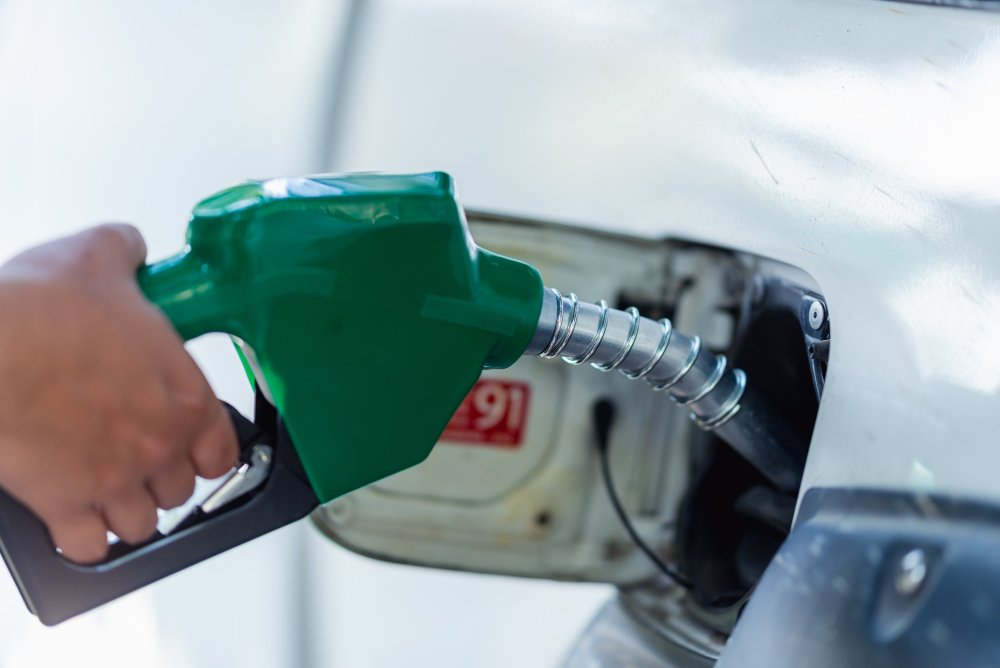
Pakistan petroleum supply has come under intense scrutiny as the government moves swiftly to prevent panic buying and artificial shortages during rising geopolitical tensions in the Middle East.
Prime Minister Shehbaz Sharif chaired a high-level meeting on petroleum products on Friday, directing provincial governments to take strict legal action against hoarding and manipulation of fuel supplies.
The urgent meeting followed growing uncertainty in global oil markets as conflict involving Israel, Iran, and the United States continues to disrupt international shipping lanes particularly around the strategically critical Strait of Hormuz, one of the world’s busiest oil transit routes.
Despite the uncertainty, the government reassured the public that Pakistan petroleum supply remains sufficient to meet domestic demand.
Government Orders Crackdown on Fuel Hoarding
During the briefing by the Prime Minister’s Office, officials confirmed that petroleum reserves are currently adequate.
However, to prevent market manipulation, the prime minister issued strict instructions:
• Immediate closure of petrol pumps involved in artificial shortages
• Cancellation of operating licences of violators
• Legal action against hoarders and illegal traders
The directive signals a zero-tolerance approach toward profiteering during a potential energy crisis.
Authorities believe that speculative hoarding during geopolitical uncertainty can trigger unnecessary panic and disrupt the Pakistan petroleum supply chain, even when actual reserves remain stable.
Real-Time Monitoring System for Pakistan Petroleum Supply
To improve transparency and oversight, the government has also ordered the creation of a real-time petroleum monitoring dashboard.
The digital system will track fuel transportation and inventory movement across the country, enabling federal and provincial authorities to monitor supply levels and distribution patterns instantly.
The initiative aims to eliminate supply bottlenecks and prevent black-market activity.
The meeting was attended by senior officials including Deputy Prime Minister Ishaq Dar, Finance Minister Muhammad Aurangzeb, and State Bank of Pakistan Governor Jameel Ahmad, along with chief secretaries from all provinces and administrative regions.
Global Oil Disruptions Could Challenge Pakistan Petroleum Supply
While current reserves are adequate, officials warned that prolonged conflict in the Middle East could eventually impact global oil logistics.
Shipping through the Strait of Hormuz which carries nearly one-fifth of global oil supply has already slowed due to heightened security risks.
Finance Minister Muhammad Aurangzeb cautioned that the situation could worsen if the conflict continues, potentially increasing fuel import costs and disrupting Pakistan’s energy supply chain.
To mitigate the risk, Pakistan has formally approached Saudi Arabia for alternative oil transportation routes through the Red Sea, ensuring continuity in fuel shipments if Gulf shipping lanes remain restricted.
Weekly Petroleum Pricing to Reflect Rising Global Costs
Another major policy change under consideration is the introduction of weekly petroleum price adjustments, expected to begin from March 8.
The move will allow the government to pass on rapidly changing international costs to consumers more quickly.
These adjustments may reflect:
• Rising shipping freight charges
• Higher war risk insurance premiums
• Global crude price volatility
Officials believe this approach will help maintain fiscal stability while keeping the Pakistan petroleum supply system financially sustainable.
Emergency Energy Plan Includes Work-From-Home and Carpooling
In preparation for a possible prolonged crisis, the government is also reviving several COVID-era conservation measures aimed at reducing fuel consumption.
These include:
• Work-from-home policies for selected sectors
• Distance learning where feasible
• Carpooling initiatives to reduce fuel demand
The measures are part of a broader national action plan designed to minimize foreign exchange losses and safeguard Pakistan’s energy security.
The strategy is expected to be formally approved by the Economic Coordination Committee after final review by the prime minister.
Pakistan Petroleum Supply: Stability Today, Vigilance for Tomorrow
For now, officials insist that Pakistan petroleum supply remains stable and the public should not panic.
However, with global tensions escalating and energy markets becoming increasingly volatile, the government is moving proactively to ensure fuel security.
The coming weeks will reveal whether contingency plans, alternative supply routes, and stricter market oversight can shield Pakistan from the ripple effects of a widening regional conflict.