
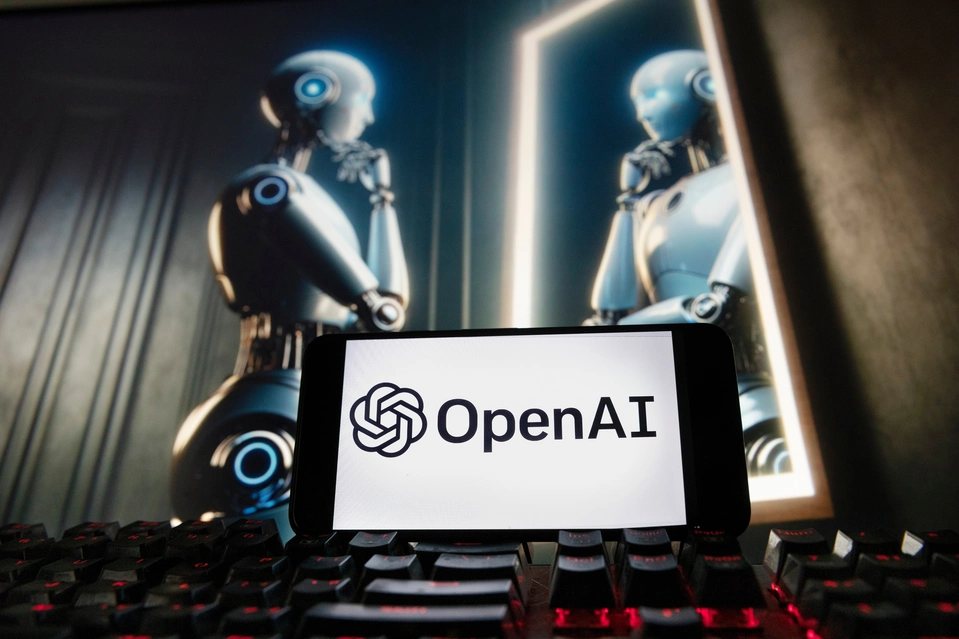
OpenAI CEO Sam Altman revealed on February 27, 2026, that the company reached terms with the U.S. Department of War to deploy its AI models—including advanced systems like those powering ChatGPT—on classified networks.
The agreement allows deployment in secure, high-level environments, marking a major step for OpenAI in government and defense sectors.
Ethical Boundaries Maintained
Altman highlighted alignment on key red lines: no use for domestic mass surveillance and mandatory human oversight for any force application, including autonomous weapons.
These principles, central to OpenAI’s safety framework, were incorporated via technical safeguards and contractual terms. The DoW reportedly agreed to reflect them in policy and practice.
Context of Rival Fallout and Broader Impact
The timing coincides with the Pentagon’s fallout with Anthropic, which sought similar restrictions but faced a government ban and supply-chain risk designation. President Trump ordered a phase-out of Anthropic tools across agencies.
OpenAI’s deal fills the gap, potentially strengthening U.S. military AI capabilities. It reflects evolving dynamics where companies balance commercial interests, ethical stances, and national security demands in an increasingly competitive landscape.
Observers note this could influence other AI firms’ government engagements and spur faster classified AI integration.