
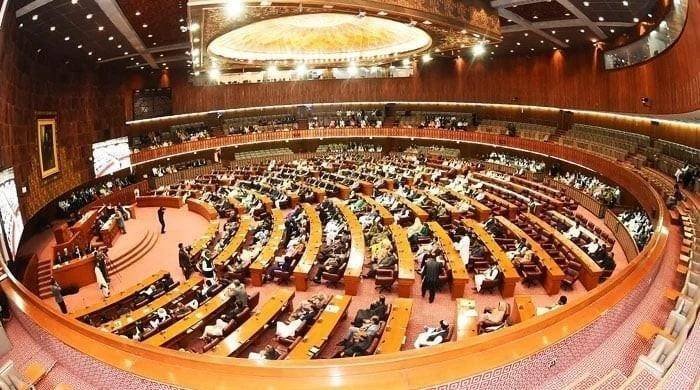
Pakistan Senate Resolution on Afghanistan tensions has sparked renewed debate over regional stability, sovereignty, and cross-border security dynamics. In a powerful and unified move, the Senate of Pakistan has “unequivocally condemned” recent acts of aggression and hostile actions originating from across the Afghan border.
This strong-worded resolution underscores a growing urgency within Pakistan’s leadership to address escalating tensions while sending a clear message: any attempt to undermine national sovereignty will be met with a firm, proportionate, and decisive response.
A Unified Political Front on National Security
The Pakistan Senate Resolution on Afghanistan tensions is notable not only for its content but also for the rare political consensus it reflects. Lawmakers across party lines stood united in defense “Ghazab-ul-Haq” of Pakistan’s territorial integrity and national honour.
Such unity is often rare in domestic politics, making this resolution particularly significant. It highlights how national security concerns can transcend political divides, especially when external threats are perceived to be rising.
The Senate reaffirmed its support for all necessary state measures aimed at protecting Pakistan’s borders, signaling a robust and coordinated approach moving forward.
Strong Condemnation of Cross-Border Threats
At the heart of the Pakistan Senate Resolution on Afghanistan tensions is a direct condemnation of what lawmakers described as “hostile rhetoric” and “cross-border violations.”
Pakistan has long expressed concerns over the presence of anti-Pakistan militant groups operating from Afghan territory. The resolution reiterates these concerns, emphasizing that continued inaction or inability to curb such elements poses a direct threat to regional peace.
This development raises critical questions: Can diplomatic channels ease tensions, or are we entering a phase of hardened security postures in the region?
Recognizing the Role of Pakistan’s Armed Forces
The resolution also pays tribute to the sacrifices and vigilance of the Pakistan Armed Forces and law enforcement agencies. It acknowledges their unwavering commitment to defending every inch of the homeland, often under challenging and high-risk conditions.
By highlighting their bravery and professionalism, the Senate reinforces public confidence in national defense institutions while recognizing the human cost of maintaining security.
Pakistan’s Frustration Over Lack of Reciprocity
Another key aspect of the Pakistan Senate Resolution on Afghanistan tensions is the expression of “deep disappointment” over the lack of reciprocal goodwill from Afghanistan.
For decades, Pakistan has hosted millions of Afghan nationals and advocated for Afghanistan’s stability on international platforms. However, lawmakers noted that instead of cooperation, Pakistan continues to face security challenges emanating from across the border.
This sentiment reflects a broader frustration within policy circles: the expectation that humanitarian support and diplomatic advocacy should translate into mutual respect and cooperation.
What This Means for Regional Stability
The Pakistan Senate Resolution on Afghanistan tensions could mark a turning point in how Pakistan approaches its western border policy. While the resolution emphasizes defensive measures, its tone suggests a readiness to respond decisively if provoked.
For businesses, investors, and regional stakeholders, such developments carry significant implications. Stability in Pakistan-Afghanistan relations is closely tied to trade routes, cross-border commerce, and broader economic prospects in South Asia.
Any escalation could impact investor sentiment, while improved cooperation could unlock new economic opportunities.
Conclusion: A Clear Message with Strategic Implications
The Pakistan Senate Resolution on Afghanistan tensions is more than a political statement it is a strategic signal. It communicates resolve, unity, and a firm stance on sovereignty while leaving the door open for responsible engagement.
As the region watches closely, the key question remains: will this moment lead to constructive dialogue or further escalation?