
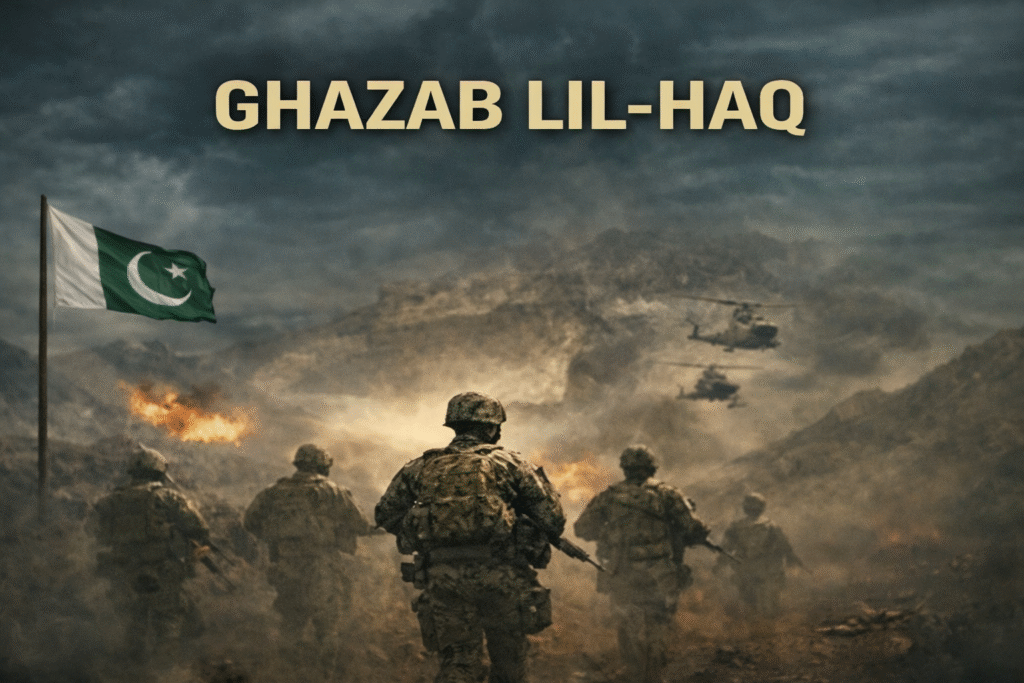
Pakistan carried out intense air and ground strikes inside Afghanistan overnight into February 27, 2026.
Read More: https://theboardroompk.com/nha-boosts-pakistans-road-network-to-14480-km-in-118-districts/
Explosions rocked Kabul, with smoke rising over targeted sites.
Escalation Along the Durand Line
Strikes hit Taliban military offices and posts in Kabul, Kandahar, and Paktia provinces.
Ground clashes erupted in multiple border sectors, including near Torkham. Pakistan accused Afghanistan of sheltering TTP militants launching cross-border attacks.
Afghanistan denied the claims, calling Pakistan’s issues internal.
Heavy Losses and Conflicting Claims
Pakistan reported killing 133 Taliban fighters and destroying 27 posts.
Afghanistan claimed 55 Pakistani soldiers killed and 19 posts captured. Both sides issued unverified tolls, with earlier strikes killing civilians.
Defence Minister Khawaja Asif said, “Our cup of patience has overflowed. Now it is open war.” Taliban spokesperson Zabihullah Mujahid confirmed strikes but vowed strong retaliation.
Clashes followed Afghan attacks on Pakistani installations Thursday night.
Tensions stem from long accusations of militant safe havens. A fragile ceasefire from late 2025 appears broken.
International calls for de-escalation emerged, with Russia offering mediation.
Saudi Arabia discussed reducing tensions with Pakistan. Punjab province in Pakistan went on high alert.
Security operations intensified, including deportations of Afghans.
The 2,600-km border remains volatile. Analysts warn of protracted guerrilla conflict.
Pakistan holds superior conventional forces.
Taliban excels in asymmetric warfare from past experiences.
Civilian risks rise with urban strikes. Kabul residents reported jets, blasts, and ambulances.
Videos showed burning buildings in Paktian.
The strikes mark a dangerous shift from border skirmishes to city targets. Both nations risk wider instability.
Diplomatic efforts may be needed soon.