
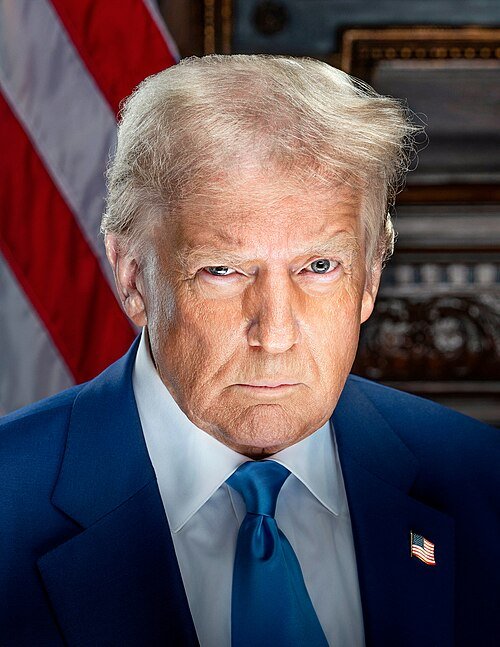
US President Donald Trump signed an executive order on February 20, 2026, imposing a temporary 10% import duty on goods from all trading partners, effective February 24, 2026.
This move comes hours after the US Supreme Court struck down his previous sweeping tariffs imposed under the 1977 International Emergency Economic Powers Act (IEEPA).
The high court ruled 6-3 that the president exceeded his authority by using emergency powers for broad import taxes, invalidating duties ranging from 10% to 50% on various countries.
New Tariff Under Alternative Trade Law
The new 10% tariff is enacted under Section 122 of the Trade Act of 1974, which permits up to 15% duties for 150 days to address serious balance-of-payments deficits.
Trump cited the US’s worsening trade imbalance as justification for the measure.
Exemptions include aerospace products, passenger cars and light trucks, compliant goods from Mexico and Canada under the USMCA, pharmaceuticals, critical minerals, and certain agricultural items.
The order also halts collection of the now-illegal IEEPA tariffs, with potential refunds for previously paid duties estimated at over $175 billion, though the process may face delays through litigation.
Administration Plans Further Actions and Investigations
Trump announced new probes under Section 301 for unfair trade practices and Section 232 for national security concerns, which could lead to higher, targeted tariffs after the 150-day period.
Treasury Secretary Scott Bessent stated that these steps would maintain roughly the same tariff revenue levels in 2026, describing the approach as “less direct” but effective.
Trump remarked that alternatives exist and could generate even more revenue, with rates potentially varying by country based on trade behavior.
Officials emphasized that the shift introduces more procedural structure compared to the emergency-based duties.
The decision injects short-term uncertainty into global trade but aims to preserve leverage in ongoing negotiations. Markets and trading partners are monitoring developments closely amid broader US trade policy shifts.