
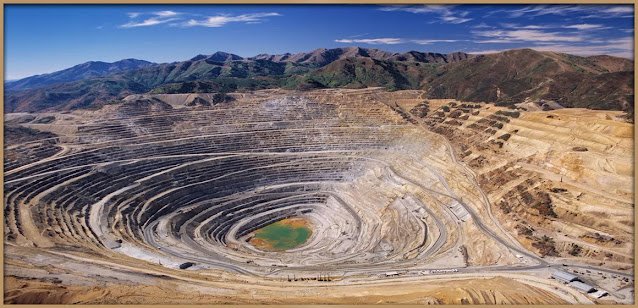
The Reko Diq Project, one of the largest planned copper-gold mines in the world, has entered a critical phase as Barrick Gold Corporation reassesses its development timeline and capital budget due to escalating security risks in Balochistan.
This unexpected review has sparked debate across financial markets, government circles, and among global investors: Can Pakistan safeguard its most ambitious foreign investment?
Why the Reko Diq Project Matters for Pakistan
The Reko Diq Project is no ordinary mining venture. Located in Balochistan’s mineral-rich Chagai district, it represents a potential economic breakthrough for Pakistan.
Barrick Gold has already invested $849 million into the project, with a remarkable $721 million deployed in 2025 alone. Phase 1 of development carries a massive projected cost of approximately $6 billion. Once operational, the mine is expected to produce:
• Around 200,000 tonnes of copper annually
• Approximately 250,000 ounces of gold per year
• Multi-decade mining potential backed by substantial reserves
•
If completed as planned, the Reko Diq Project could generate billions of dollars in taxes and royalties while creating thousands of direct and indirect jobs in one of Pakistan’s most underdeveloped provinces.
In simple terms, this isn’t just a mining project it’s a long-term economic engine.
Security Risks Cast a Shadow Over the Reko Diq Project
However, the future of the Reko Diq Project now faces uncertainty due to what Barrick described as “escalating security risks.”
Balochistan has historically experienced periodic security incidents and separatist unrest. While Barrick did not detail the specific incidents prompting the review, analysts suggest the move could delay the signing of a limited recourse project financing facility that was targeted for the second half of 2025.
The review has amplified investor concerns about Pakistan’s ability to protect strategic foreign investments.
UBS analyst Daniel Major noted that following recent management changes, Barrick’s commitment to the Reko Diq Project appears less certain. However, he emphasized that the allocation of approximately $650 million in capital expenditure for 2026 signals continued engagement.
JPMorgan analyst Bennett Moore echoed a similar sentiment, stating that although financing could face delays due to security incidents, the earmarked $650 million spending demonstrates that Barrick has not withdrawn from the project.
In other words: the project is under review but not abandoned.
Market Reaction and Investor Sentiment
The announcement has already impacted market confidence.
Investor caution intensified as concerns grew over potential delays to one of Pakistan’s largest foreign investment projects. The Pakistan Stock Exchange experienced selling pressure, particularly in sectors linked to mining and external financing exposure.
For international investors, the Reko Diq Project is being viewed as a litmus test. If Pakistan successfully addresses security challenges and restores confidence, it could strengthen its global mining reputation. If not, it risks reinforcing perceptions of instability compared to other mining jurisdictions.
Government Silence Raises Questions
So far, federal and provincial authorities have not publicly commented on Barrick’s security review announcement. However, industry observers expect high-level discussions between the federal government, Balochistan authorities, and Barrick management.
The stakes are high.
The Reko Diq Project is not merely a corporate investment it represents Pakistan’s broader ambition to position itself as a competitive destination for large-scale foreign direct investment.
What Happens Next for the Reko Diq Project?
The coming months will be crucial. Key developments to watch include:
• Confirmation or delay of the financing facility
• Government security assurances
• Continued capital deployment by Barrick
• Market reaction to policy responses
While uncertainty clouds the immediate outlook, the allocated capital spending suggests the door remains open.
For Pakistan, the message is clear: securing the Reko Diq Project could redefine its economic narrative. Losing momentum, however, could send a troubling signal to global investors.
The world is watching.